



AD
O-(4-Hydroxyphenyl)tyrosine(CAS: 1034-10-2)
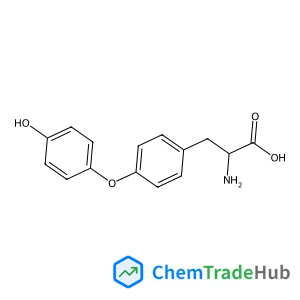
CAS Number
Related Products
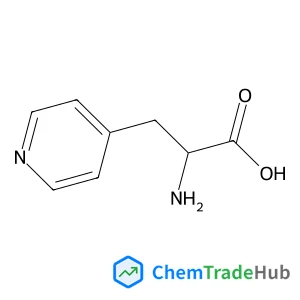
3-(4-Pyridinyl)alanine
CAS Number: 1956-21-4
![N-{[(2-Methyl-2-propanyl)oxy]carbonyl}-3-(3-pyridinyl)-D-alanine](https://static.chemtradehub.com/structs/982/98266-33-2-a388.webp)
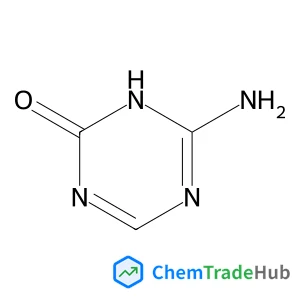
5-Azacytosine
CAS Number: 4040-10-2
![N-[(9H-Fluoren-9-ylmethoxy)carbonyl]-3-(2-thienyl)-D-alanine](https://static.chemtradehub.com/structs/201/201532-42-5-e30e.webp)
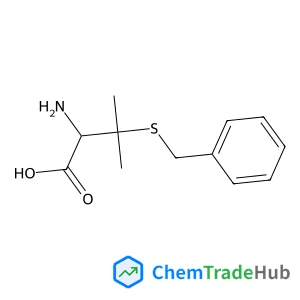
3-(Benzylthio)valine
CAS Number: 5699-80-9
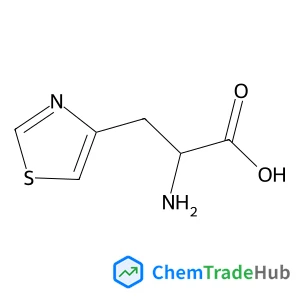
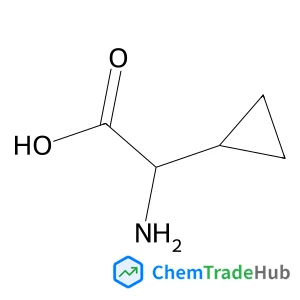
(2S)-Amino(cyclopropyl)acetic acid
CAS Number: 49606-99-7
![3-(9-Anthryl)-N-[(9H-fluoren-9-ylmethoxy)carbonyl]-L-alanine](https://static.chemtradehub.com/structs/268/268734-27-6-0e8e.webp)
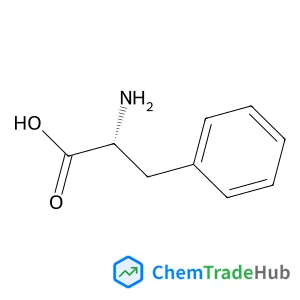
Phenylalanine
CAS Number: 673-06-3
Other Suppliers for O-(4-Hydroxyphenyl)tyrosine





Basic Information
Molecular Formula
C15H15NO4
Molecular Weight
273.29 g/mol
Chemical Identifiers
SMILES
C1=CC(=CC=C1CC(C(=O)O)N)OC2=CC=C(C=C2)O
InChIKey
KKCIOUWDFWQUBT-UHFFFAOYSA-N
Database References
MDL Number
MFCD00045864
FAQ
O-(4-Hydroxyphenyl)tyrosine (CAS: 1034-10-2) is subject to various regulatory guidelines, including the Globally Harmonized System of Classification and Labeling of Chemicals (GHS), REACH regulations in the EU, and FDA/EPA requirements for the United States. Notably, GHS categorizes it as a skin and eye irritant. REACH requires manufacturers and importers to register substances if the tonnage exceeds one ton per year. Additionally, the FDA may regulate it based on its intended use, and EPA regulations cover environmental and safety concerns.
Synthesizing O-(4-Hydroxyphenyl)tyrosine (CAS: 1034-10-2), researchers can explore alternatives such as 4-hydroxyphenylalanine or other tyrosine derivatives. Common reagents include hydroxylase enzymes and synthetic intermediates like 3,4-dihydroxybenzaldehyde. These alternatives can offer similar functionalities with varying degrees of reactivity and availability, providing flexibility in experimental design.
Market and research trends for O-(4-Hydroxyphenyl)tyrosine (CAS: 1034-10-2) indicate increasing interest in its use as a precursor in pharmaceuticals and cosmetics due to its antioxidant properties. Notably, it is a key component in melanin biosynthesis pathways, making it valuable for dermatological applications. Research trends focus on its biological activity, synthesis methods, and potential in therapeutic areas such as skin care and cancer treatment.
Waste containing O-(4-Hydroxyphenyl)tyrosine (CAS: 1034-10-2) should be managed according to local environmental regulations. Proper waste collection and disposal methods include neutralization to reduce acidity, followed by incineration or professional waste disposal. Environmental precautions include ensuring containment to prevent soil and water contamination. Safe handling practices should be followed to protect workers and the environment.
Safety Notice
Please verify product specifications and safety data before use. Contact the supplier for detailed safety information.
Always follow proper handling procedures
Contact Information
Mobile
15026919287
Telephone
021-54300512
Fax
021-54291107
Visit Website
https://www.hanhonggroup.com