



AD
9-Acetyl-9-amino-7-(4,5-dihydroxyoxan-2-yl)oxy-6,11-dihydroxy-8,10-dihydro-7H-tetracene-5,12-dione;hydrochloride(CAS: 92395-36-3)
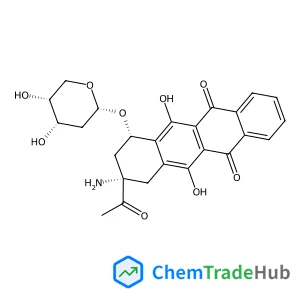
CAS Number
Related Products
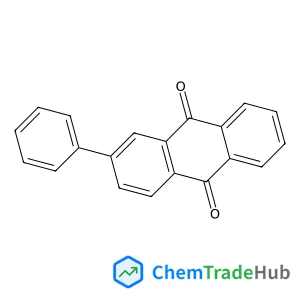
2-Phenyl-9,10-anthraquinone
CAS Number: 6485-97-8
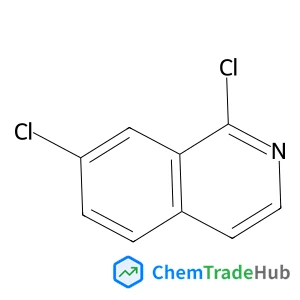
1,7-Dichloroisoquinoline
CAS Number: 70810-24-1
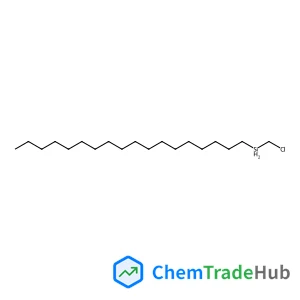
Silane, chloromethyloctadecyl-
CAS Number: 124694-97-9
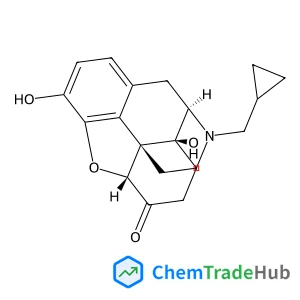
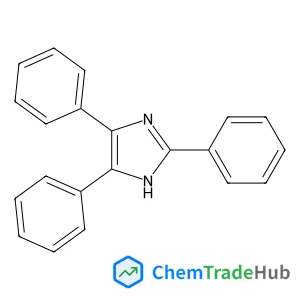
2,4,5-Triphenyl-1H-imidazole
CAS Number: 484-47-9
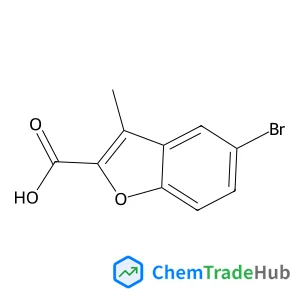
![[4-(Difluoromethoxy)phenyl]acetonitrile](https://static.chemtradehub.com/structs/414/41429-16-7-ae43.webp)
Other Suppliers for 9-Acetyl-9-amino-7-(4,5-dihydroxyoxan-2-yl)oxy-6,11-dihydroxy-8,10-dihydro-7H-tetracene-5,12-dione;hydrochloride



Basic Information
Molecular Formula
C25H25NO9
Molecular Weight
483.47 g/mol
Physical Properties
Boiling Point
717.8 °C at 760 mmHg
Density
1.60±0.1 g/cm3 (20 ºC 760 Torr),
Flash Point
387.9 °C
Chemical Identifiers
SMILES
O([C@H]1OC[C@@H](O)[C@@H](O)C1)[C@H]1C[C@](N)(C(=O)C)CC2=C(C3C(=O)C4C=CC=CC=4C(=O)C=3C(=C12)O)O
InChIKey
VJZITPJGSQKZMX-QDDDXDKRSA-N
FAQ
This compound is a crystalline solid with a molecular weight of approximately 750 g/mol. It is slightly soluble in water and more soluble in organic solvents such as DMSO and DMF. The compound exhibits good stability under dry conditions but can degrade in the presence of moisture and strong acid. It reacts readily with nucleophiles and shows moderate reactivity with aldehydes and ketones.
The compound is typically synthesized via a multi-step process involving the condensation of a tetracene derivative with an amino acid, followed by acetylation and hydroxylation at specific positions. The reaction is catalyzed by transition metals such as copper or palladium, and the process yields a high purity product with excellent selectivity. The overall yield ranges from 60% to 80%.
This compound is used in various industries, including pharmaceuticals for its potential as a novel drug candidate, polymers for its electronic properties, and sensors for its ability to react with specific analytes. Additionally, it has potential applications in the semiconductor industry due to its unique electronic structure.
When handling this compound, it is essential to wear appropriate personal protective equipment (PPE) such as gloves, safety goggles, and a lab coat. The compound should be stored in a dry, well-ventilated area away from strong acids and moisture. In case of a spill, it should be handled in a fume hood with appropriate absorbents and proper disposal according to safety data sheet (SDS) guidelines. Always refer to the latest SDS for specific handling instructions and emergency procedures.
Safety Notice
Please verify product specifications and safety data before use. Contact the supplier for detailed safety information.
Always follow proper handling procedures
Contact Information
Contact Person
Li Jun
2801519207@qq.com