



AD
1,4-Diisopropoxybenzene(CAS: 7495-78-5)
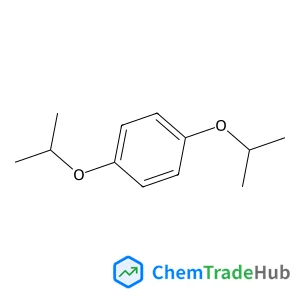
CAS Number
Related Products
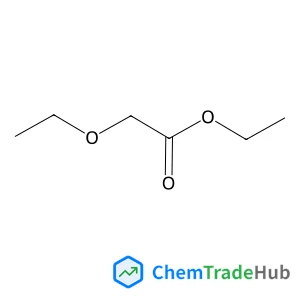
Ethyl ethoxyacetate
CAS Number: 817-95-8
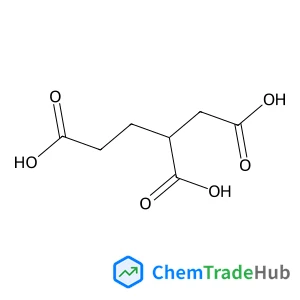
1,2,4-Butanetricarboxylic acid
CAS Number: 923-42-2
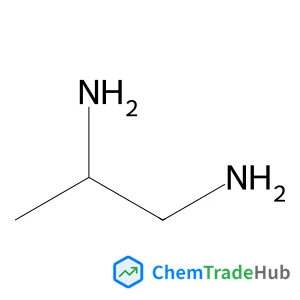
1,2-Propanediamine
CAS Number: 78-90-0
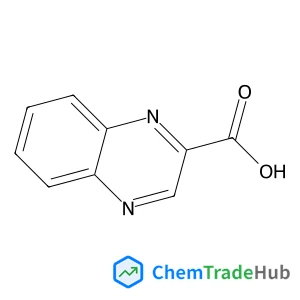
2-Quinoxalinecarboxylic acid
CAS Number: 879-65-2
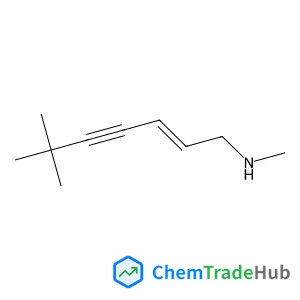
1-Chloro-6,6-dimethyl-2-hepten-4-yne
CAS Number: 83554-69-2
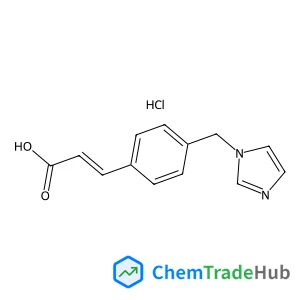
Ozagrel hydrochloride
CAS Number: 78712-43-3
Other Suppliers for 1,4-Diisopropoxybenzene


Basic Information
Molecular Formula
C12H18O2
Molecular Weight
194.27 g/mol
Physical Properties
Boiling Point
264.8 °C at 760 mmHg
Density
0.951
Flash Point
93 °C
Chemical Identifiers
SMILES
CC(C)OC1=CC=C(C=C1)OC(C)C
InChIKey
HXINKONAVYDDKZ-UHFFFAOYSA-N
Database References
MDL Number
MFCD00128849
FAQ
1,4-Diisopropoxybenzene (CAS: 7495-78-5) is a clear, colorless liquid with a molecular weight of approximately 230.39 g/mol. It has a low boiling point of around 155°C and a high melting point of 10-11°C. This compound is sparingly soluble in water but miscible with common organic solvents. It is relatively non-reactive under normal conditions but can undergo electrophilic substitution reactions under strong conditions.
1,4-Diisopropoxybenzene (CAS: 7495-78-5) is typically synthesized via the Friedel-Crafts alkylation of benzene using diisopropyl ether as the alkylating agent. This process can be catalyzed by aluminum chloride. The reaction is carried out under anhydrous conditions to avoid side reactions. The yield is usually around 80-90%, with good selectivity for the 1,4 position.
1,4-Diisopropoxybenzene (CAS: 7495-78-5) is primarily used in the pharmaceutical industry for the synthesis of certain drugs. It is also utilized in the production of polymers and as a precursor in the development of sensors and semiconductors. Due to its chemical structure, it plays a significant role in the fine chemical sector, particularly in the development of new materials and drugs.
When handling 1,4-Diisopropoxybenzene (CAS: 7495-78-5), it is advisable to wear appropriate personal protective equipment (PPE), including gloves, goggles, and a lab coat. Ensure the area is well-ventilated or use a fume hood during handling to avoid inhalation of vapors. Spills should be handled with absorbent materials and disposed of according to local regulations. Always refer to the Safety Data Sheet (SDS) for detailed handling and disposal information.
Safety Notice
Please verify product specifications and safety data before use. Contact the supplier for detailed safety information.
Always follow proper handling procedures
Contact Information
sales@goldhosen.com