



AD
1-[(4-Amino-2-propyl-5-pyrimidinyl)methyl]-2-methylpyridinium chloride hydrochloride (1:1:1)(CAS: 137-88-2)
![1-[(4-Amino-2-propyl-5-pyrimidinyl)methyl]-2-methylpyridinium chloride hydrochloride (1:1:1)](https://static.chemtradehub.com/structs/137/137-88-2-c264.webp "1-[(4-Amino-2-propyl-5-pyrimidinyl)methyl]-2-methylpyridinium chloride hydrochloride (1:1:1)")
CAS Number
Related Products
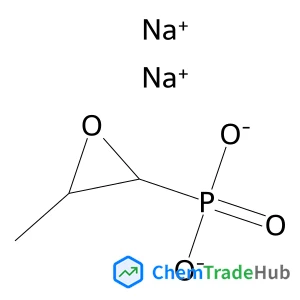
Fosfomycin sodium
CAS Number: 26016-99-9
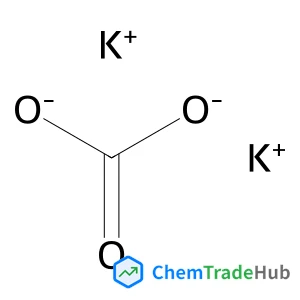
Dipotassium carbonate
CAS Number: 584-08-7
![Sodium (6R,7R)-7-{[(2Z)-2-(2-amino-1,3-thiazol-4-yl)-2-(methoxyimino)acetyl]amino}-3-[(2-furoylsulfanyl)methyl]-8-oxo-5-thia-1-azabicyclo[4.2.0]oct-2-ene-2-carboxylate](https://static.chemtradehub.com/structs/104/104010-37-9-81e4.webp)
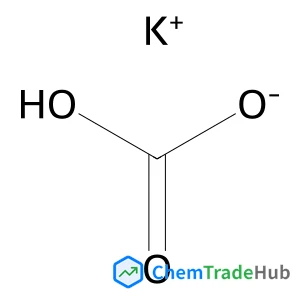
Potassium hydrogen carbonate
CAS Number: 298-14-6
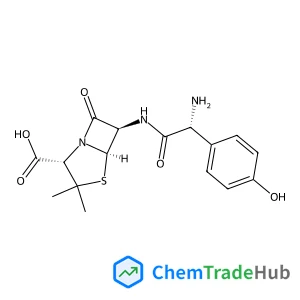
Amoxicillin
CAS Number: 26787-78-0
Potassium chloride
CAS Number: 7447-40-7
![(6R,7R)-7-{[(2Z)-2-(2-Amino-1,3-thiazol-4-yl)-2-(methoxyimino)acetyl]amino}-3-[(2-furoylsulfanyl)methyl]-8-oxo-5-thia-1-azabicyclo[4.2.0]oct-2-ene-2-carboxylic acid hydrochloride (1:1)](https://static.chemtradehub.com/structs/103/103980-44-5-5b6f.webp)

Acetylisovaleryltylosin tartrate
CAS Number: 63428-13-7
Other Suppliers for 1-[(4-Amino-2-propyl-5-pyrimidinyl)methyl]-2-methylpyridinium chloride hydrochloride (1:1:1)
![1-[(4-Amino-2-propyl-5-pyrimidinyl)methyl]-2-methylpyridinium chloride hydrochloride (1:1:1) — Shanghai Yinxin Laboratory Equipment Co., Ltd.](https://static.chemtradehub.com/suppliers/67cdd97a57537e5c8069adfb/67cdd97a57537e5c8069adfb-logo.webp)
![1-[(4-Amino-2-propyl-5-pyrimidinyl)methyl]-2-methylpyridinium chloride hydrochloride (1:1:1) — ShangHaiJiZhiShengHua Technology Co Ltd](https://static.chemtradehub.com/suppliers/67cecbee2b2de6e8e95a5b72/67cecbee2b2de6e8e95a5b72-logo.webp)
![1-[(4-Amino-2-propyl-5-pyrimidinyl)methyl]-2-methylpyridinium chloride hydrochloride (1:1:1) — Shanghai Yuyeh Biotechnology Co., Ltd.](https://static.chemtradehub.com/suppliers/67ce9f132b2de6e8e95a48fe/67ce9f132b2de6e8e95a48fe-logo.webp)
Basic Information
Molecular Formula
C14H20Cl2N4
Molecular Weight
315.2 g/mol
Physical Properties
Melting Point
239.0 to 243.0 deg-C
Boiling Point
°Cat760mmHg
Flash Point
°C
Chemical Identifiers
SMILES
CCCC1=NC=C(C(=N1)N)C[N+]2=CC=CC=C2C.Cl.[Cl-]
InChIKey
PJBQYZZKGNOKNJ-UHFFFAOYSA-M
Database References
MDL Number
MFCD00078831
Beilstein Registry Number
4118699
FAQ
1-[(4-Amino-2-propyl-5-pyrimidinyl)methyl]-2-methylpyridinium chloride hydrochloride (1:1:1), with CAS number 137-88-2, is a quaternary ammonium salt containing a pyrimidine and pyridine ring system. It exhibits basic properties due to the pyridinium group and is commonly used as a chemical intermediate. The compound is known for its stability in aqueous solutions and is characterized by its structural complexity, combining amino, propyl, and methyl functional groups with chloride ions.
This compound is primarily utilized in pharmaceutical research for synthesizing bioactive molecules and as a key intermediate in drug development. It also finds applications in organic chemistry for catalytic reactions and in the production of specialty chemicals. Its unique structure makes it valuable in creating compounds with specific functional group combinations, though exact uses depend on further chemical modification and application context.
Safety of this compound requires adherence to standard chemical handling protocols. It may pose risks such as skin and eye irritation due to its chloride content. Proper protective measures, including gloves and safety goggles, are recommended during use. Always consult safety data sheets (SDS) for specific guidelines, as its toxicity profile can vary based on exposure conditions and regulatory classifications.
Store this compound in a cool, dry place (ideally 25°C or below) in a sealed, light-resistant container to prevent degradation. Avoid exposure to moisture and direct light to maintain stability. Ensure storage conditions meet safety standards for chemical compounds, and keep it away from incompatible substances to prevent reactions. Regularly check for signs of decomposition or contamination.
Safety Notice
Please verify product specifications and safety data before use. Contact the supplier for detailed safety information.
Always follow proper handling procedures