



AD
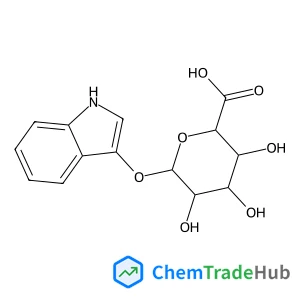
1H-Indol-3-yl beta-D-glucopyranosiduronic acid(CAS: 35804-66-1)
CAS Number
Related Products
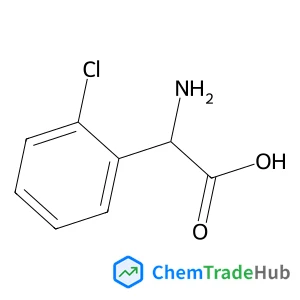
Amino(2-chlorophenyl)acetic acid
CAS Number: 141196-64-7
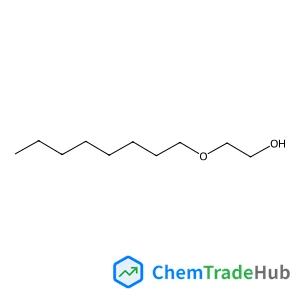
2-(Octyloxy)ethanol
CAS Number: 27252-75-1
![Sodium 3-({[(1E,4E)-4-({4-[(4-ethoxyphenyl)amino]phenyl}{4-[ethyl(3-sulfonatobenzyl)amino]-2-methylphenyl}methylene)-3-methyl-2,5-cyclohexadien-1-ylidene](ethyl)ammonio}methyl)benzenesulfonate](https://static.chemtradehub.com/structs/610/6104-58-1-ca5a.webp)
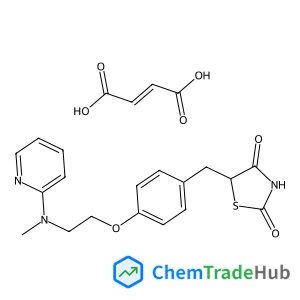
Rosiglitazone maleate
CAS Number: 155141-29-0
![5-Amino-1-cyclopropyl-7-[(3R,5S)-3,5-dimethyl-1-piperazinyl]-6,8-difluoro-4-oxo-1,4-dihydro-3-quinolinecarboxylic acid](https://static.chemtradehub.com/structs/110/110871-86-8-4053.webp)
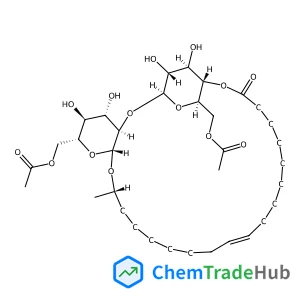
Lactonic Sophorolipid
CAS Number: 148409-20-5
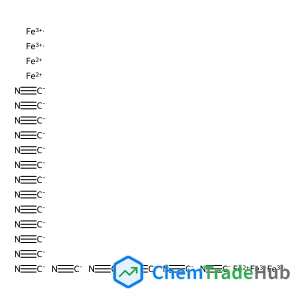
Iron(III) hexacyanoferrate(II)
CAS Number: 14038-43-8
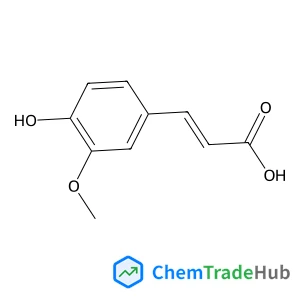
Ferulic Acid
CAS Number: 1135-24-6
Other Suppliers for 1H-Indol-3-yl beta-D-glucopyranosiduronic acid







Basic Information
Molecular Formula
C14H15NO7
Molecular Weight
309.27 g/mol
Chemical Identifiers
SMILES
C1=CC=C2C(=C1)C(=CN2)OC3C(C(C(C(O3)C(=O)O)O)O)O
InChIKey
KUYNOZVWCFXSNE-BYNIDDHOSA-N
Database References
MDL Number
MFCD00083390
FAQ
1H-Indol-3-yl beta-D-glucopyranosiduronic acid is a crystalline compound with a molecular weight of approximately 442.41 g/mol. It has low water solubility and moderate solubility in organic solvents. This compound is known for its reactivity in nucleophilic substitution reactions and its stability under acidic conditions. It is insoluble in water but soluble in most organic solvents.
1H-Indol-3-yl beta-D-glucopyranosiduronic acid is typically synthesized through a multi-step process involving the coupling of indole and glucose derivatives. Commonly, a catalytic amount of a metal catalyst such as palladium or ruthenium is used to facilitate the reaction. The selectivity and yield of the synthesis can be improved by optimizing reaction conditions such as temperature, solvent, and catalyst choice.
1H-Indol-3-yl beta-D-glucopyranosiduronic acid finds applications in the pharmaceutical industry, particularly in the development of novel drug candidates. It may also be used in the field of biotechnology for the synthesis of glycosaminoglycans and in food science as a natural sugar derivative. Its unique structure makes it suitable for use in sensor technology and as a building block in the synthesis of new materials.
When handling 1H-Indol-3-yl beta-D-glucopyranosiduronic acid, it is important to wear appropriate personal protective equipment (PPE) such as gloves, goggles, and a lab coat. Work should be conducted in a well-ventilated fume hood to minimize inhalation risk. Spills should be handled carefully using absorbent material, and the area should be thoroughly cleaned with an appropriate solvent. Always refer to the safety data sheet (SDS) for detailed handling instructions and emergency procedures.
Safety Notice
Please verify product specifications and safety data before use. Contact the supplier for detailed safety information.
Always follow proper handling procedures

Contact Information
Contact Person
Xiao Peng
2771739180@qq.com
Mobile
18013301590
Telephone
025-84699383-8004
Visit Website
https://www.njduly.comAddress
Chuanxinhuai