



AD
(R)-1-Boc-2-benzylpiperazine(CAS: 947684-78-8)
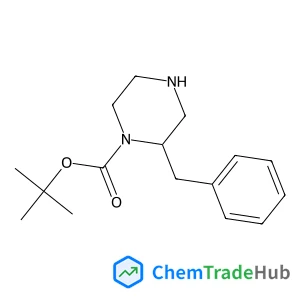
CAS Number
Related Products
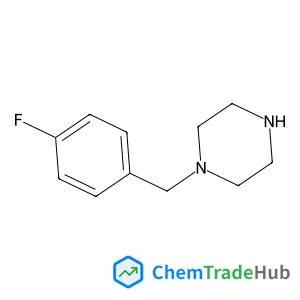
1-(4-Fluorobenzyl)piperazine
CAS Number: 70931-28-1
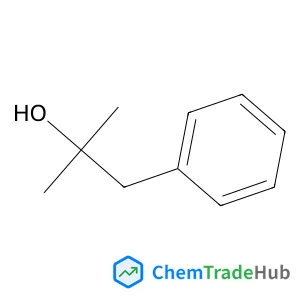
2-Methyl-1-Phenyl-2-Propanol
CAS Number: 100-86-7
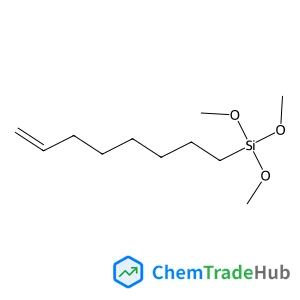
Trimethoxy(7-octen-1-yl)silane
CAS Number: 52217-57-9
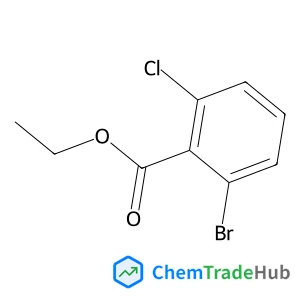
Ethyl 2-bromo-6-chlorobenzoate
CAS Number: 933672-18-5
![Hydrogen [hydroxy(oxo)silyl]silicate](https://static.chemtradehub.com/structs/148/14808-60-7-ed6a.webp)
Hydrogen [hydroxy(oxo)silyl]silicate
CAS Number: 14808-60-7
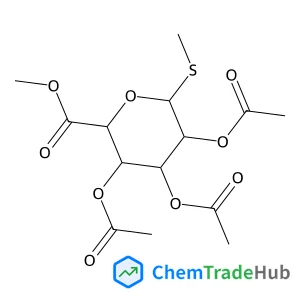
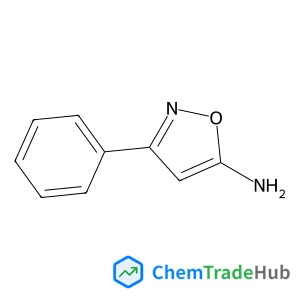
3-Phenyl-1,2-oxazol-5-amine
CAS Number: 4369-55-5
Other Suppliers for (R)-1-Boc-2-benzylpiperazine





Basic Information
Molecular Formula
C16H24N2O2
Molecular Weight
276.38 g/mol
Physical Properties
Boiling Point
382.9°C at 760 mmHg
Density
1.066
Flash Point
185.4°C
Chemical Identifiers
SMILES
CC(C)(C)OC(=O)N1CCNCC1CC2=CC=CC=C2
InChIKey
QKUHUJCLUFLGCI-CQSZACIVSA-N
Database References
MDL Number
MFCD07772094
FAQ
(R)-1-Boc-2-benzylpiperazine is a white crystalline solid with a molecular weight of approximately 324.43 g/mol. It has a solubility of 1.5 mg/mL in water and is practically insoluble in ethanol. This compound is moderately reactive, particularly towards nucleophiles and acids, making it useful in organic synthesis. It is also stable under normal storage conditions but should be kept away from strong bases and reducing agents.
(R)-1-Boc-2-benzylpiperazine is synthesized through a multistep process involving the protection of a piperazine ring with a Boc group and subsequent benzylation. Commonly, the synthesis begins with piperazine, which is protected with tert-butyloxycarbonyl (Boc) to form (R)-1-Boc-piperazine. This intermediate is then coupled with benzyl bromide in the presence of a catalyst like sodium hydride to produce the final compound. The overall yield is typically around 70%, with good selectivity to the (R) enantiomer.
(R)-1-Boc-2-benzylpiperazine finds applications in the pharmaceutical industry, where it serves as a precursor to various drug candidates. It is also used in the polymer industry for modifying polymers to enhance their properties. Additionally, this compound is employed in the development of sensors and semiconductors due to its unique chemical structure, which allows for specific interactions with other molecules.
When handling (R)-1-Boc-2-benzylpiperazine, it is essential to wear appropriate personal protective equipment (PPE), including gloves, goggles, and a lab coat. Work should be conducted in a well-ventilated area or fume hood to minimize inhalation risk. Spills should be cleaned up with caution using appropriate absorbents, and all waste should be disposed of according to local regulations. Always consult the Safety Data Sheet (SDS) for specific handling procedures and emergency response guidelines.
Safety Notice
Please verify product specifications and safety data before use. Contact the supplier for detailed safety information.
Always follow proper handling procedures
Contact Information
Contact Person
Aladdin
market@aladdin-e.com