



AD
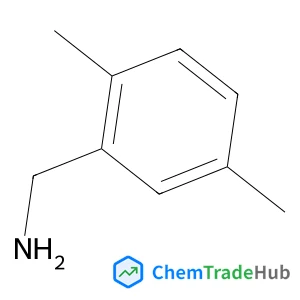
2,5-Dimethylbenzylamine(CAS: 93-48-1)
CAS Number
Related Products
amino}butanoic acid](https://static.chemtradehub.com/structs/221/221124-57-8-c784.webp)
![1-Cyclopropyl-8-methyl-7-[5-methyl-6-(methylamino)-3-pyridinyl]-4-oxo-1,4-dihydro-3-quinolinecarboxylic acid](https://static.chemtradehub.com/structs/245/245765-41-7-85ad.webp)
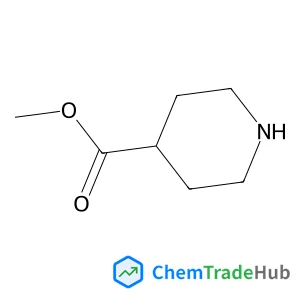
Methyl 4-piperidinecarboxylate
CAS Number: 2971-79-1
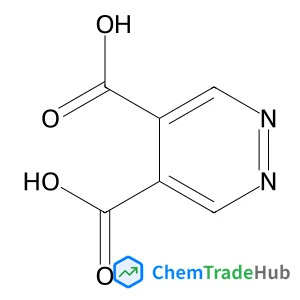
4,5-Pyridazinedicarboxylic acid
CAS Number: 59648-14-5
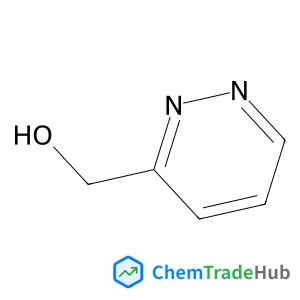
pyridazin-3-ylmethanol
CAS Number: 37444-46-5
![N-[4-(Trifluoromethoxy)phenyl]acetamide](https://static.chemtradehub.com/structs/173/1737-06-0-69aa.webp)
N-[4-(Trifluoromethoxy)phenyl]acetamide
CAS Number: 1737-06-0
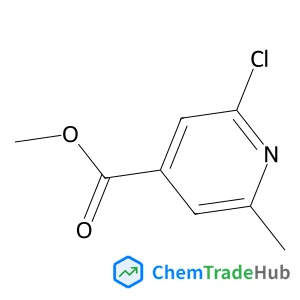
Methyl 2-chloro-6-methylisonicotinate
CAS Number: 3998-90-1

2-Fluoro-5-iodophenol
CAS Number: 186589-89-9
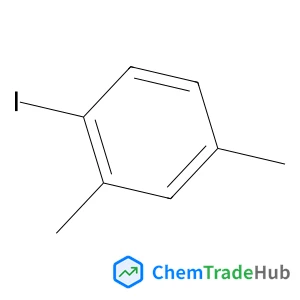
1-Iodo-2,4-dimethylbenzene
CAS Number: 4214-28-2
Other Suppliers for 2,5-Dimethylbenzylamine







Basic Information
Molecular Formula
C9H13N
Molecular Weight
135.21 g/mol
Physical Properties
Boiling Point
225 °C
Density
0.95
Flash Point
92.3 °C
Chemical Identifiers
SMILES
CC1=CC(=C(C=C1)C)CN
InChIKey
LUJNPFWZXIGIPS-UHFFFAOYSA-N
Database References
MDL Number
MFCD00039780
FAQ
2,5-Dimethylbenzylamine is a colorless, oily liquid with a molecular weight of approximately 134.23 g/mol. It has a pungent, amine-like odor and is soluble in water and organic solvents. It is mildly basic and exhibits weak amine reactivity, making it useful in various chemical reactions. The compound is primarily characterized by its volatility and ability to form stable solutions with a variety of reagents.
2,5-Dimethylbenzylamine is commonly prepared by the reduction of 2,5-dimethylbenzoyl chloride with a reducing agent like sodium borohydride. The synthesis typically involves heating the reactants to promote the nucleophilic addition, followed by work-up procedures involving acidification and extraction to isolate the product. This method offers good selectivity and yields up to 90% of the desired compound.
2,5-Dimethylbenzylamine is used in various industries including pharmaceuticals, where it serves as a precursor for the synthesis of certain drugs. It is also utilized in the polymer industry for the modification of polymer properties and in the production of sensors for detecting specific chemical compounds. Additionally, it plays a role in the development of organic semiconductors for electronic applications.
When handling 2,5-Dimethylbenzylamine, it is crucial to wear appropriate personal protective equipment (PPE), including gloves, goggles, and a lab coat. The substance should be used in a well-ventilated area or under a fume hood to minimize inhalation risks. Spills should be cleaned up promptly using absorbent materials, and proper disposal techniques should be followed. Refer to the Safety Data Sheet (SDS) for detailed safety information and emergency procedures.
Safety Notice
Please verify product specifications and safety data before use. Contact the supplier for detailed safety information.
Always follow proper handling procedures

Contact Information
3007522982@qq.com
Mobile
18117592386
Telephone
021-57481218
Fax
无
Visit Website
https://www.acmec-e.com