



AD
2-(2,4-Dichlorophenyl)ethanamine(CAS: 52516-13-9)
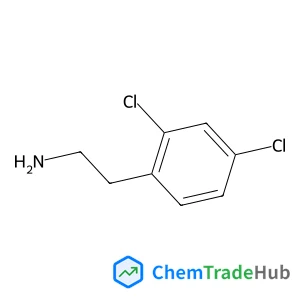
CAS Number
Related Products
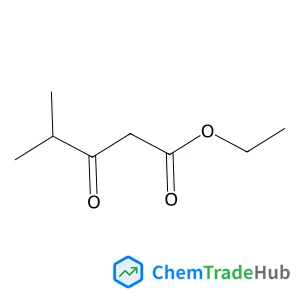
Ethyl 4-methyl-3-oxopentanoate
CAS Number: 7152-15-0
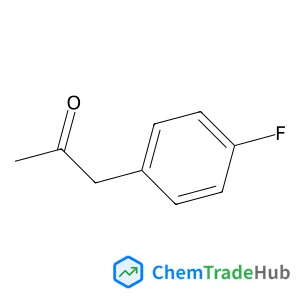
1-(4-Fluorophenyl)acetone
CAS Number: 459-03-0
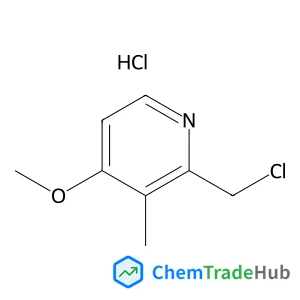
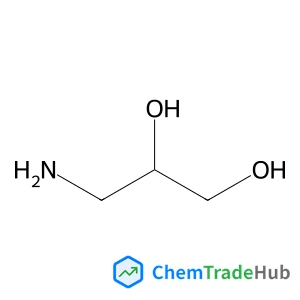
3-Amino-1,2-propanediol
CAS Number: 616-30-8
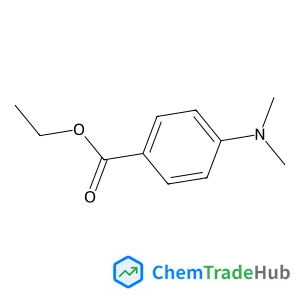
Ethyl 4-(dimethylamino)benzoate
CAS Number: 10287-53-3
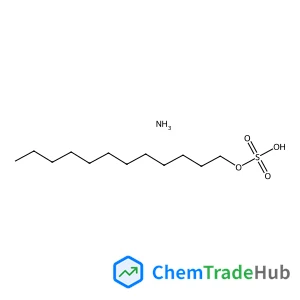
Ammonium dodecyl sulfate
CAS Number: 2235-54-3
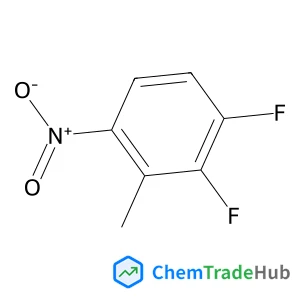
1,2-Difluoro-3-methyl-4-nitrobenzene
CAS Number: 914348-35-9
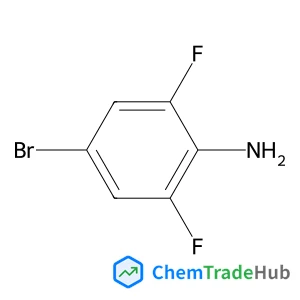
Abemaciclib Impurity 6
CAS Number: 67567-26-4
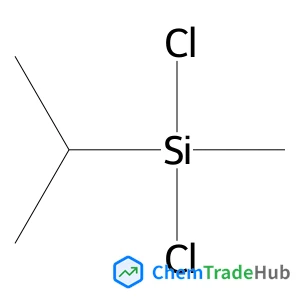
Dichloro(isopropyl)methylsilane
CAS Number: 18236-89-0
Other Suppliers for 2-(2,4-Dichlorophenyl)ethanamine





Basic Information
Molecular Formula
C8H9Cl2N
Molecular Weight
190.07 g/mol
Physical Properties
Melting Point
No data available
Boiling Point
75-76 °C/0.04 mmHg(lit.)
Density
1.26 g/mL at 25 °C(lit.)
Chemical Identifiers
SMILES
C1=CC(=C(C=C1Cl)Cl)CCN
InChIKey
VHJKDOLGYMULOP-UHFFFAOYSA-N
Database References
MDL Number
MFCD00060611
FAQ
2-(2,4-Dichlorophenyl)ethanamine (CAS: 52516-13-9) falls under the classification of hazardous chemicals based on the Globally Harmonized System of Classification and Labelling of Chemicals (GHS). It is regulated by REACH in the EU and by the FDA and EPA in the USA. Manufacturers and importers must comply with specific reporting, labeling, and storage requirements to ensure safe handling and transportation.
Several alternatives can be used in the synthesis of 2-(2,4-Dichlorophenyl)ethanamine, including 2-(2,4-Difluorophenyl)ethanamine and 2-(4-Chloro-2-methylphenyl)ethanamine. These analogs offer similar functionalities but with different substituents that might provide better selectivity or reactivity in certain synthetic pathways.
The market for 2-(2,4-Dichlorophenyl)ethanamine is primarily driven by its use in pharmaceuticals and agrochemicals. Research trends focus on its potential as an intermediate for the synthesis of novel drugs and pesticides. Recent studies also explore its environmental impact and safer alternatives, reflecting growing concerns about chemical safety and sustainability.
Waste containing 2-(2,4-Dichlorophenyl)ethanamine should be collected and managed according to local regulations. Proper incineration or professional waste disposal is recommended to prevent environmental contamination. Always wear appropriate personal protective equipment (PPE) and ensure the waste is neutralized before disposal to minimize chemical hazards. Local environmental protection authorities should be consulted for specific disposal guidelines.
Safety Notice
Please verify product specifications and safety data before use. Contact the supplier for detailed safety information.
Always follow proper handling procedures
Contact Information
Contact Person
Yang Qin
1462312301@qq.com