



AD
3,4-Dichloropyridine(CAS: 55934-00-4)
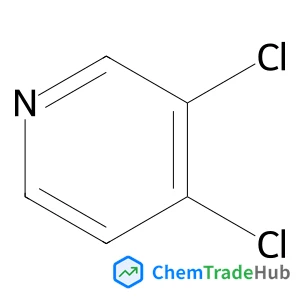
CAS Number
Related Products

3-Acetoxy-4-cadinen-8-one
CAS Number: 923950-05-4
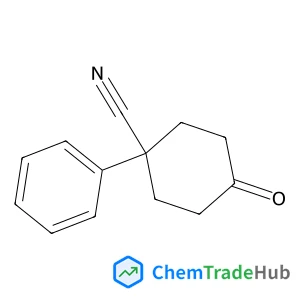
4-Oxo-1-phenylcyclohexanecarbonitrile
CAS Number: 25115-74-6
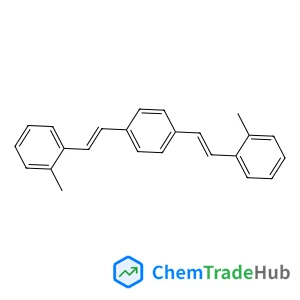
Valiolamine
CAS Number: 83456-22-9
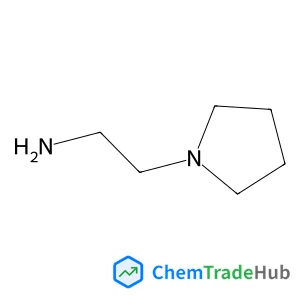
2-(1-Pyrrolidinyl)ethanamine
CAS Number: 7154-73-6
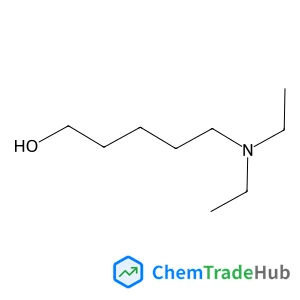
5-(Diethylamino)-1-pentanol
CAS Number: 2683-57-0
![2-Methyl-2-propanyl 4-{[2-(2-aminophenyl)ethyl]amino}-1-piperidinecarboxylate](https://static.chemtradehub.com/structs/783/783368-12-7-e061.webp)
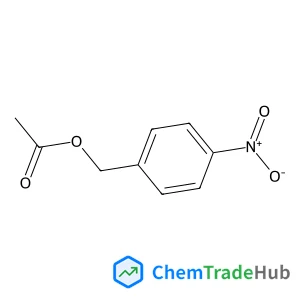
Benzenemethanol, 4-nitro-, 1-acetate
CAS Number: 619-90-9

Other Suppliers for 3,4-Dichloropyridine



Basic Information
Molecular Formula
C5H3Cl2N
Molecular Weight
147.99 g/mol
Physical State
Colorless
Physical Properties
Melting Point
22-23 C
Boiling Point
182-183℃
Density
1.388±0.06 g/cm3(Predicted)
Flash Point
78.2℃
Chemical Identifiers
SMILES
C1=CN=CC(=C1Cl)Cl
InChIKey
ZMPYQKNNUHPTLT-UHFFFAOYSA-N
Database References
MDL Number
MFCD01861989
FAQ
3,4-Dichloropyridine is a solid at room temperature with a crystalline form. Its molecular weight is 180.01 g/mol. It has limited water solubility but is soluble in common organic solvents like ethanol and acetone. This compound is relatively stable under normal conditions but can react with strong bases to form pyridine. It is an important intermediate in the synthesis of various pharmaceuticals and materials.
3,4-Dichloropyridine is commonly synthesized via the reaction of 2-chloropyridine with chlorine gas. This process involves the substitution of a hydrogen atom with a chlorine atom at the 3 and 4 positions. Other methods include the chlorination of pyridine using thionyl chloride as a catalyst, which provides high selectivity and yield.
3,4-Dichloropyridine is widely used in the pharmaceutical industry for the synthesis of drug intermediates. It also finds applications in the polymer industry as a precursor for the production of various polymers and in the electronics sector for the manufacturing of semiconductors. Additionally, it is utilized in the development of sensors and as a reagent in analytical chemistry.
When handling 3,4-Dichloropyridine, it is essential to wear appropriate personal protective equipment (PPE) such as gloves, goggles, and a lab coat. Work should be conducted in a fume hood to minimize inhalation risks. Spills should be handled carefully using absorbent materials and disposed of according to local regulations. Always refer to the Safety Data Sheet (SDS) for comprehensive safety information and emergency procedures.
Safety Notice
Please verify product specifications and safety data before use. Contact the supplier for detailed safety information.
Always follow proper handling procedures

Contact Information
hepeng20160718@foxmail.com
Mobile
13122891558
Telephone
186-16545970
Visit Website
https://www.hepengbio.com/