



AD
3,5-Dimethyl-2(1H)-pyrazinone(CAS: 60187-00-0)
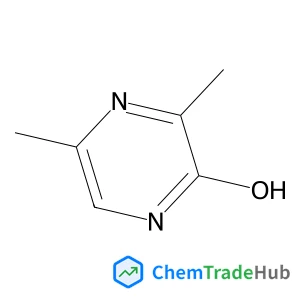
CAS Number
Related Products
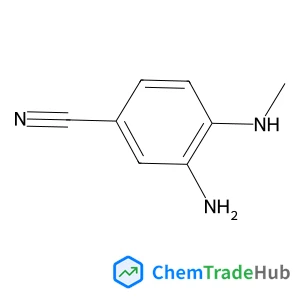
3-Amino-4-(methylamino)benzonitrile
CAS Number: 64910-46-9
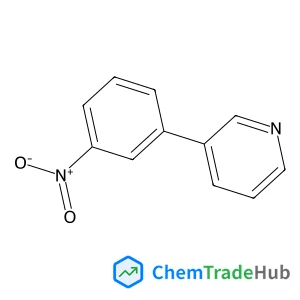
3-(3-Nitrophenyl)pyridine
CAS Number: 4282-50-2
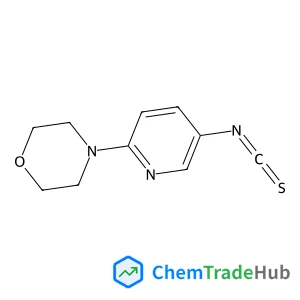
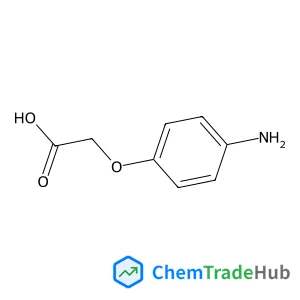
(4-Aminophenoxy)acetic acid
CAS Number: 2298-36-4
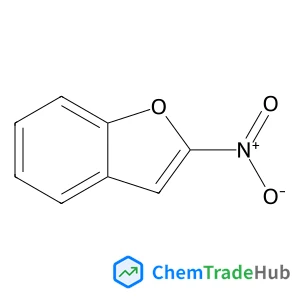
2-Nitro-1-benzofuran
CAS Number: 33094-66-5
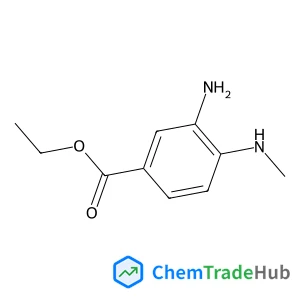
Ethyl 3-amino-4-(methylamino)benzoate
CAS Number: 66315-23-9
Other Suppliers for 3,5-Dimethyl-2(1H)-pyrazinone







Basic Information
Molecular Formula
C6H8N2O
Molecular Weight
124.14 g/mol
Chemical Identifiers
SMILES
OC1=NC=C(C)N=C1C
InChIKey
AJYKJVCIKQEVCF-UHFFFAOYSA-N
Database References
MDL Number
MFCD00126947
FAQ
3,5-Dimethyl-2(1H)-pyrazinone (CAS: 60187-00-0) falls under the purview of the Globally Harmonized System of Classification and Labelling of Chemicals (GHS), which categorizes it as a hazardous material. Regulatory guidelines also include compliance with the European Union's Registration, Evaluation, Authorisation and Restriction of Chemicals (REACH) regulations, and the U.S. Food and Drug Administration (FDA) and Environmental Protection Agency (EPA) requirements for chemical safety and environmental protection.
There are alternative reagents and compounds that can be used in synthesis processes instead of 3,5-Dimethyl-2(1H)-pyrazinone (CAS: 60187-00-0). For instance, 2(1H)-Pyridone, 3-Methyl-2(1H)-pyrazinone, and 5-Methyl-2(1H)-pyrazinone are commonly used as substitutes depending on the specific application and chemical requirements.
The market for 3,5-Dimethyl-2(1H)-pyrazinone (CAS: 60187-00-0) is steadily growing, driven by its applications in various industries such as pharmaceuticals, agriculture, and material science. Research trends are focusing on its use as a precursor in the synthesis of other compounds and its potential in developing new drug formulations. Additionally, there is increasing interest in its environmental and health implications, which are critical for its future market dynamics.
Waste containing 3,5-Dimethyl-2(1H)-pyrazinone (CAS: 60187-00-0) should be collected and disposed of in accordance with local and national regulations. Proper waste management involves neutralization and incineration at an approved facility to minimize environmental impact. Additional precautions include wearing appropriate personal protective equipment (PPE) and ensuring the waste is properly labeled and segregated to prevent contamination during handling and disposal processes.
Safety Notice
Please verify product specifications and safety data before use. Contact the supplier for detailed safety information.
Always follow proper handling procedures
Contact Information
Contact Person
Zhang Weidong
1009223224@qq.com