



AD
2-Amino-4-ethylphenol(CAS: 94109-11-2)
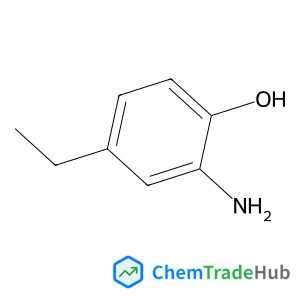
CAS Number
Related Products
amino}butanoic acid](https://static.chemtradehub.com/structs/221/221124-57-8-c784.webp)
![1-Cyclopropyl-8-methyl-7-[5-methyl-6-(methylamino)-3-pyridinyl]-4-oxo-1,4-dihydro-3-quinolinecarboxylic acid](https://static.chemtradehub.com/structs/245/245765-41-7-85ad.webp)
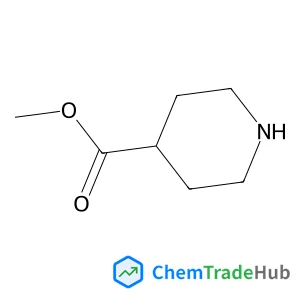
Methyl 4-piperidinecarboxylate
CAS Number: 2971-79-1
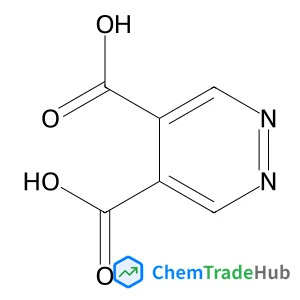
4,5-Pyridazinedicarboxylic acid
CAS Number: 59648-14-5
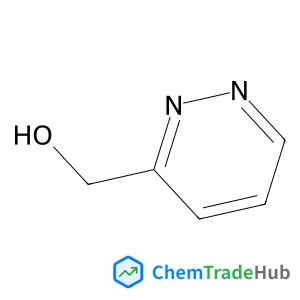
pyridazin-3-ylmethanol
CAS Number: 37444-46-5
![N-[4-(Trifluoromethoxy)phenyl]acetamide](https://static.chemtradehub.com/structs/173/1737-06-0-69aa.webp)
N-[4-(Trifluoromethoxy)phenyl]acetamide
CAS Number: 1737-06-0
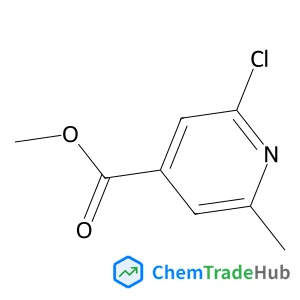
Methyl 2-chloro-6-methylisonicotinate
CAS Number: 3998-90-1
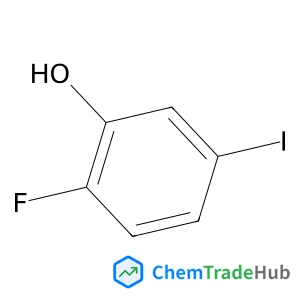
2-Fluoro-5-iodophenol
CAS Number: 186589-89-9
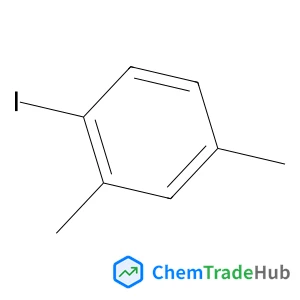
1-Iodo-2,4-dimethylbenzene
CAS Number: 4214-28-2
Other Suppliers for 2-Amino-4-ethylphenol







Basic Information
Molecular Formula
C8H11NO
Molecular Weight
137.18 g/mol
Physical Properties
Boiling Point
257.7±28.0 ºC (760 Torr),
Density
1.115±0.06 g/cm3 (20 ºC 760 Torr),
Flash Point
109.7±24.0 ºC,
Chemical Identifiers
SMILES
CCc1ccc(O)c(N)c1
InChIKey
LUKYIMOTPSTGQB-UHFFFAOYSA-N
Database References
MDL Number
MFCD00051708
FAQ
2-Amino-4-ethylphenol falls under the classification of a hazardous chemical according to the Globally Harmonized System of Classification and Labeling of Chemicals (GHS). It is subject to the REACH regulations in the European Union, which require registration and evaluation of substances to ensure they meet specific safety standards. In the United States, the Environmental Protection Agency (EPA) and the Food and Drug Administration (FDA) have guidelines for the handling and use of this compound, including proper storage and disposal to prevent environmental contamination.
Several alternatives to 2-Amino-4-ethylphenol can be explored depending on the specific requirements of the synthesis. Common alternatives include 2-Ethylphenol, which can be used as a starting material or intermediate, and other amino phenols such as 2-Amino-3-ethylphenol. These alternatives may offer similar chemical properties but with different reactivity and solubility characteristics, allowing for the optimization of synthesis processes.
The market for 2-Amino-4-ethylphenol is driven by its applications in various industries, including pharmaceuticals, dyes, and pesticides. Research trends indicate a growing interest in exploring its use as a precursor in the development of new drugs and in sustainable chemical processes. As the industry shifts towards more environmentally friendly solutions, there is an increasing focus on the biodegradability and eco-friendly alternatives of this compound.
Waste containing 2-Amino-4-ethylphenol should be managed in accordance with local and international regulations. Proper waste collection should be done using suitable containers to prevent spillage and leakage. Incineration is a common method for disposal, but it must be conducted in an environmentally controlled facility. Alternatively, professional waste disposal services can be utilized to ensure the safe and compliant disposal of the waste. Environmental protection measures, such as neutralizing the waste before disposal, should also be implemented to minimize environmental impact.
Safety Notice
Please verify product specifications and safety data before use. Contact the supplier for detailed safety information.
Always follow proper handling procedures

Contact Information
3007522982@qq.com
Mobile
18117592386
Telephone
021-57481218
Fax
无
Visit Website
https://www.acmec-e.com