



AD
2-Deoxy-N-phenyl-D-erythro-pentofuranosylamine(CAS: 81366-70-3)
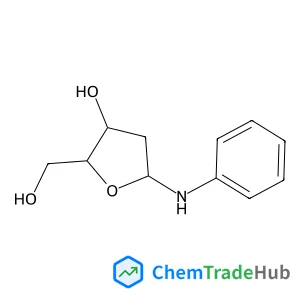
CAS Number
Related Products
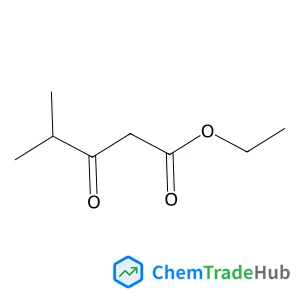
Ethyl 4-methyl-3-oxopentanoate
CAS Number: 7152-15-0
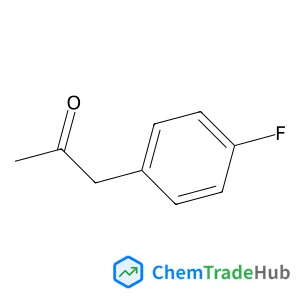
1-(4-Fluorophenyl)acetone
CAS Number: 459-03-0
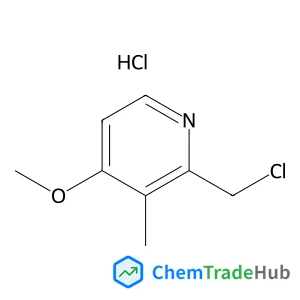
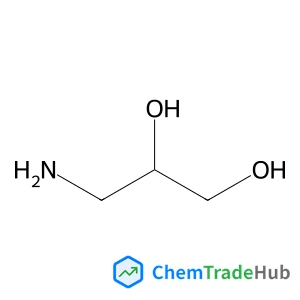
3-Amino-1,2-propanediol
CAS Number: 616-30-8
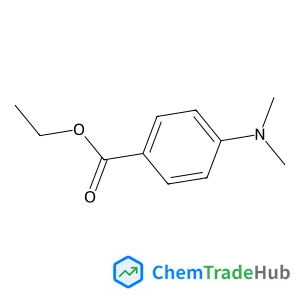
Ethyl 4-(dimethylamino)benzoate
CAS Number: 10287-53-3
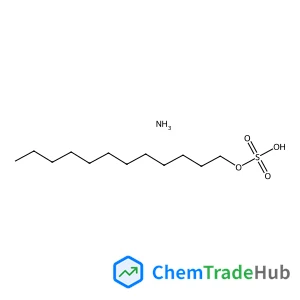
Ammonium dodecyl sulfate
CAS Number: 2235-54-3
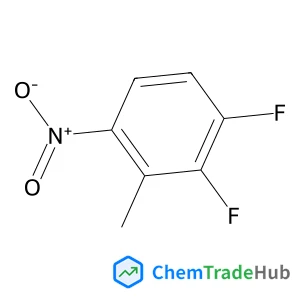
1,2-Difluoro-3-methyl-4-nitrobenzene
CAS Number: 914348-35-9
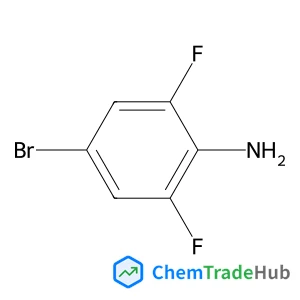
Abemaciclib Impurity 6
CAS Number: 67567-26-4
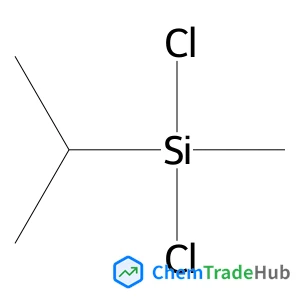
Dichloro(isopropyl)methylsilane
CAS Number: 18236-89-0
Other Suppliers for 2-Deoxy-N-phenyl-D-erythro-pentofuranosylamine



Basic Information
Molecular Formula
C11H15NO3
Molecular Weight
209.24 g/mol
Physical Properties
Density
1.305
Chemical Identifiers
SMILES
C1C(C(OC1NC2=CC=CC=C2)CO)O
InChIKey
OYCBOKNPGJKONC-MTULOOOASA-N
Database References
MDL Number
MFCD01320811
FAQ
2-Deoxy-N-phenyl-D-erythro-pentofuranosylamine is a crystalline compound with a molecular weight of approximately 243.22 g/mol. It has a melting point around 200-210°C and is poorly soluble in water but soluble in organic solvents like ethanol. Chemically, it is reactive towards nucleophiles and can undergo substitution reactions. It can also be oxidized or reduced under appropriate conditions.
2-Deoxy-N-phenyl-D-erythro-pentofuranosylamine can be synthesized through the condensation of 2-deoxy-D-erythrose-4-phosphate with phenylamine in the presence of a base like sodium hydride. The reaction typically has a yield of 70-80%. Catalysts are not usually required, but the reaction conditions must be carefully controlled to ensure product purity.
2-Deoxy-N-phenyl-D-erythro-pentofuranosylamine is primarily used in the pharmaceutical industry as an intermediate for the synthesis of antiviral and antitumor drugs. It may also find applications in the polymer and sensor industries as a functional monomer or sensing material, though its use in these sectors is less common.
When handling 2-Deoxy-N-phenyl-D-erythro-pentofuranosylamine, it is important to wear appropriate personal protective equipment (PPE) such as gloves, goggles, and a lab coat. Work should be carried out in a well-ventilated area or a fume hood to avoid inhalation of vapors. Spills should be cleaned up with caution, using appropriate absorbents, and disposed of according to local regulations. Always refer to the Material Safety Data Sheet (MSDS) for detailed information on safety precautions.
Safety Notice
Please verify product specifications and safety data before use. Contact the supplier for detailed safety information.
Always follow proper handling procedures
Contact Information
Contact Person
Yang Qin
1462312301@qq.com