



AD
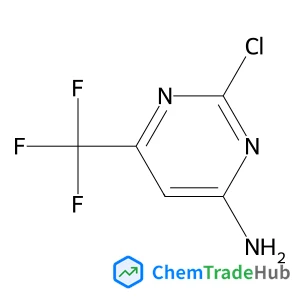
2-Chloro-6-(trifluoromethyl)-4-pyrimidinamine(CAS: 85730-36-5)
CAS Number
Related Products
![[3-(2-Hydroxyethyl)phenyl]boronic acid](https://static.chemtradehub.com/structs/647/647853-32-5-c363.webp)
![N-(Butylsulfonyl)-O-[4-(4-piperidinyl)butyl]-L-tyrosine hydrochloride hydrate](https://static.chemtradehub.com/structs/150/150915-40-5-1679.webp)
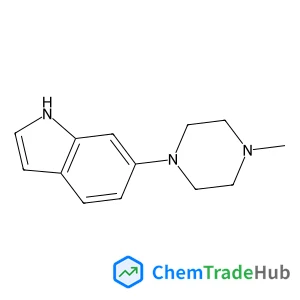
6-(4-methylpiperazin-1-yl)-1H-indole
CAS Number: 321745-04-4
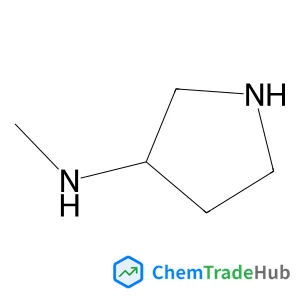
N-Methyl-3-pyrrolidinamine
CAS Number: 83030-08-4
![2-Chloro-N-[4-chloro-3-(2-pyridinyl)phenyl]-4-(methylsulfonyl)benzamide](https://static.chemtradehub.com/structs/879/879085-55-9-5abe.webp)

3-Nonyne
CAS Number: 20184-89-8
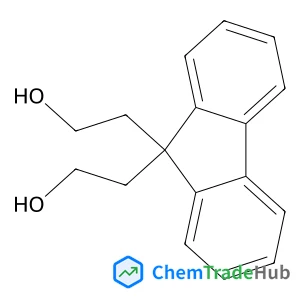
2,2'-(9H-fluorene-9,9-diyl)diethanol
CAS Number: 203070-78-4
![1,4-Dioxaspiro[4.5]dec-8-ylacetic acid](https://static.chemtradehub.com/structs/134/134136-04-2-8def.webp)
Other Suppliers for 2-Chloro-6-(trifluoromethyl)-4-pyrimidinamine





Basic Information
Molecular Formula
C5H3ClF3N3
Molecular Weight
197.55 g/mol
Physical Properties
Melting Point
191-192 ºC
Boiling Point
316℃ at 760 mmHg
Density
1.598
Flash Point
315.963 °C at 760 mmHg
Chemical Identifiers
SMILES
Nc1cc(nc(Cl)n1)C(F)(F)F
InChIKey
XPOXHSQGNDLFPT-UHFFFAOYSA-N
Database References
MDL Number
MFCD11558917
FAQ
What regulatory guidelines apply to 2-Chloro-6-(trifluoromethyl)-4-pyrimidinamine (CAS: 85730-36-5)?
Regulatory guidelines for 2-Chloro-6-(trifluoromethyl)-4-pyrimidinamine (CAS: 85730-36-5) include GHS classification for hazardous substances, REACH regulations for European manufacturers and importers, and FDA and EPA requirements for its use in the United States. It is classified as a toxic and harmful substance, requiring proper handling and disposal to protect human health and the environment.
Alternatives to 2-Chloro-6-(trifluoromethyl)-4-pyrimidinamine (CAS: 85730-36-5) in synthesis include the use of other pyrimidine derivatives, such as 2-amino-6-chloro-4-(trifluoromethyl)pyrimidine, or employing different functional groups in the synthesis pathway. These alternatives can reduce the need for this compound and minimize environmental impact.
The market for 2-Chloro-6-(trifluoromethyl)-4-pyrimidinamine (CAS: 85730-36-5) is currently stable, with ongoing research focusing on its potential in antiviral and antimicrobial applications. There is a growing trend towards developing safer and more sustainable alternatives, reflecting broader industry shifts towards reducing the use of highly toxic compounds.
Waste containing 2-Chloro-6-(trifluoromethyl)-4-pyrimidinamine (CAS: 85730-36-5) should be collected in sealed, labeled containers and disposed of through professional waste disposal services. Safe incineration is recommended, with proper environmental precautions to prevent the release of hazardous substances into the environment. Compliance with local and international regulations is essential for safe waste management.
Safety Notice
Please verify product specifications and safety data before use. Contact the supplier for detailed safety information.
Always follow proper handling procedures

Contact Information
Contact Person
Miss Xu
1986399151@qq.com
Mobile
15221998634
Telephone
021-59178156
Visit Website
https://www.yingxinbio.com/Address
Yugang Town Yiling Road 258 Lane C Zone