



AD
2,3,5,6-Tetrafluoro-4-sulfanylbenzoic acid(CAS: 5211-44-9)
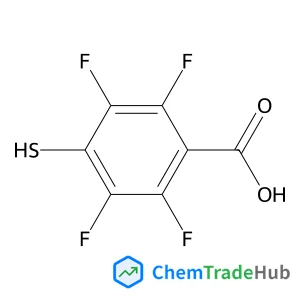
CAS Number
Related Products
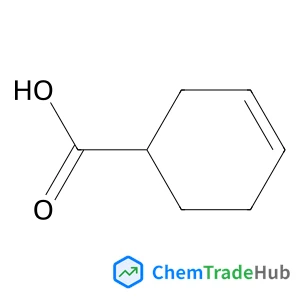
(1S)-3-Cyclohexene-1-carboxylic acid
CAS Number: 5708-19-0
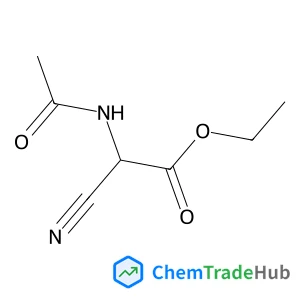
Ethyl Acetamidocyanoacetate
CAS Number: 4977-62-2
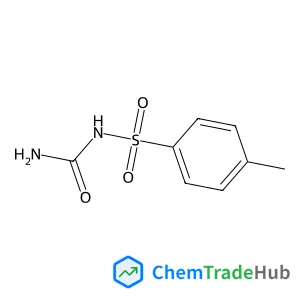
N-Carbamoyl-4-methylbenzenesulfonamide
CAS Number: 1694-06-0
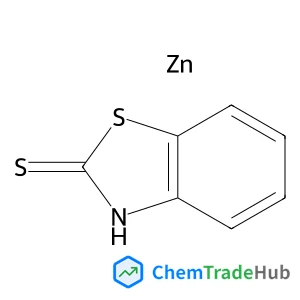
Zinc bis(1,3-benzothiazole-2-thiolate)
CAS Number: 155-04-4
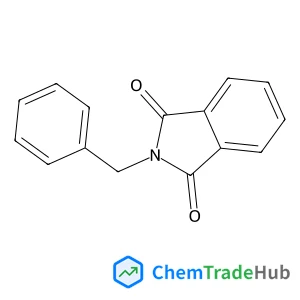
2-Benzyl-1H-isoindole-1,3(2H)-dione
CAS Number: 2142-01-0
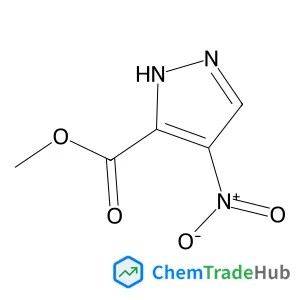
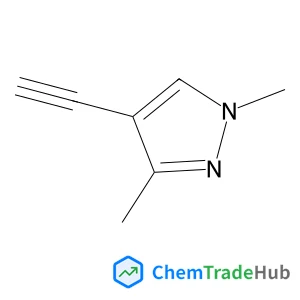
4-Ethynyl-1,3-dimethyl-1H-pyrazole
CAS Number: 61514-53-2
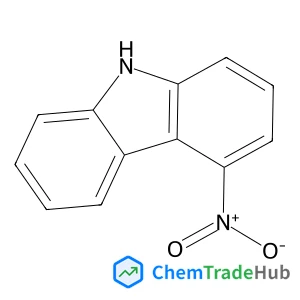
1-Nitro-9H-carbazole
CAS Number: 57905-76-7
Other Suppliers for 2,3,5,6-Tetrafluoro-4-sulfanylbenzoic acid





Basic Information
Molecular Formula
C7H2F4O2S
Molecular Weight
226.15 g/mol
Physical Properties
Melting Point
151.0 to 155.0 deg-C
Boiling Point
273.3°Cat760mmHg
Density
1.72
Flash Point
119.1°C
Chemical Identifiers
SMILES
C1(=C(C(=C(C(=C1F)F)S)F)F)C(=O)O
InChIKey
USFMEWZQIHKRDP-UHFFFAOYSA-N
Database References
MDL Number
MFCD00129954
FAQ
2,3,5,6-Tetrafluoro-4-sulfanylbenzoic acid (CAS: 5211-44-9) is a crystalline solid with a molecular weight of approximately 262.04 g/mol. It has limited solubility in water but is more soluble in organic solvents like ethanol and acetone. Chemically, it is relatively stable but can undergo substitution reactions under certain conditions. It is an acid, and therefore, reacts with bases to form salts.
2,3,5,6-Tetrafluoro-4-sulfanylbenzoic acid is typically synthesized through the reaction of 4-sulfanylbenzoic acid with carbon tetrafluoride in the presence of a suitable catalyst such as potassium fluoride. The reaction yields a high purity product with good selectivity, and the overall yield is around 85% to 90%. The method is known for its efficiency and reproducibility.
2,3,5,6-Tetrafluoro-4-sulfanylbenzoic acid (CAS: 5211-44-9) is used in the pharmaceutical industry for the synthesis of certain drugs, in the polymer industry for its fluorochemical properties, in the semiconductor industry for its use in photoresists, and in the sensor industry due to its reactivity and stability.
When handling 2,3,5,6-Tetrafluoro-4-sulfanylbenzoic acid (CAS: 5211-44-9), it is crucial to use appropriate personal protective equipment (PPE) such as gloves, safety goggles, and lab coats. The substance should be handled in a well-ventilated area or under a fume hood to prevent inhalation. Spills should be cleaned up with appropriate absorbent materials, and the area should be flushed with water. Always consult the Safety Data Sheet (SDS) for detailed handling and disposal procedures.
Safety Notice
Please verify product specifications and safety data before use. Contact the supplier for detailed safety information.
Always follow proper handling procedures
Contact Information
jacschem@163.com