



AD
2,6-Dimethoxypyridine(CAS: 6231-18-1)
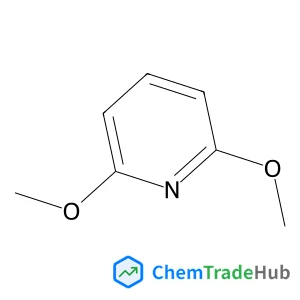
CAS Number
Related Products
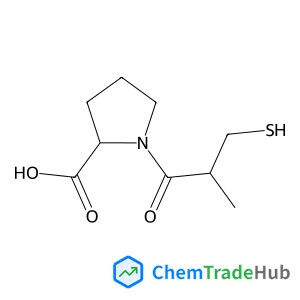
Captopril
CAS Number: 62571-86-2
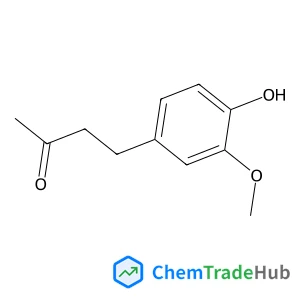
4-(4-Hydroxy-3-methoxyphenyl)-2-butanone
CAS Number: 122-48-5
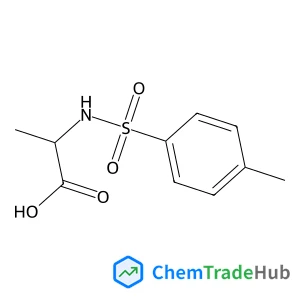
N-Tosyl-L-alanine
CAS Number: 21957-58-4
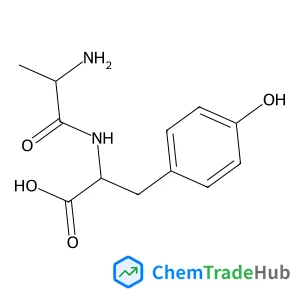
Alanyl-L-tyrosine
CAS Number: 3061-88-9
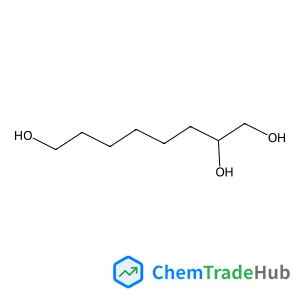
Octane-1,2,8-triol
CAS Number: 382631-43-8
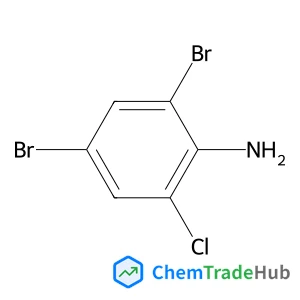
2,4-Dibromo-6-chloroaniline
CAS Number: 874-18-0
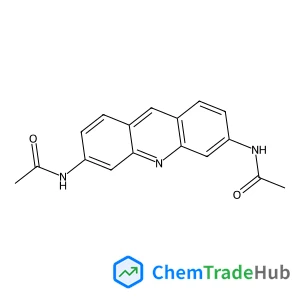
N,N'-3,6-Acridinediyldiacetamide
CAS Number: 15724-70-6
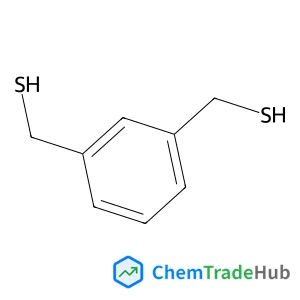
1,3-Phenylenedimethanethiol
CAS Number: 41563-69-3
Other Suppliers for 2,6-Dimethoxypyridine






Basic Information
Molecular Formula
C7H9NO2
Molecular Weight
139.15 g/mol
Physical Properties
Boiling Point
179°C
Density
1.053 g/mL at 25 °C(lit.)
Chemical Identifiers
SMILES
COC1=NC(=CC=C1)OC
InChIKey
IBTGEEMBZJBBSH-UHFFFAOYSA-N
Database References
MDL Number
MFCD00006266
Beilstein Registry Number
1525332
FAQ
2,6-Dimethoxypyridine (CAS: 6231-18-1) is a yellow crystalline compound with a molecular weight of approximately 168.17 g/mol. It has a low solubility in water but is soluble in common organic solvents such as ethanol and acetone. Chemically, it is relatively stable but can react with strong acids and bases. It is a Lewis base and can participate in complexation reactions.
2,6-Dimethoxypyridine is typically synthesized by the methylation of 2,6-pyridinedicarboxylic acid with dimethyl sulfate. The reaction is conducted in an organic solvent such as toluene and in the presence of a base like sodium hydroxide. The yield is generally around 70-80%, with selectivity for the desired product.
2,6-Dimethoxypyridine (CAS: 6231-18-1) is used in various industries, including pharmaceuticals for the synthesis of certain drugs, polymers for the development of functional materials, and sensors for detecting specific chemical species. It is also employed in the production of semiconductors due to its ability to act as a dopant.
When handling 2,6-Dimethoxypyridine (CAS: 6231-18-1), it is essential to wear appropriate personal protective equipment (PPE), including gloves, goggles, and a lab coat. The substance should be handled in a well-ventilated area or a fume hood to prevent inhalation. In case of a spill, it is recommended to sweep it up carefully and dispose of it according to local regulations. Always refer to the Safety Data Sheet (SDS) for detailed handling and emergency procedures.
Safety Notice
Please verify product specifications and safety data before use. Contact the supplier for detailed safety information.
Always follow proper handling procedures
Contact Information
Contact Person
Zhang Zeyuan
Sales-CN@TCIchemicals.com