



AD
3-Chloro-2,2-dimethyl-3-butenoic acid(CAS: 56663-75-3)
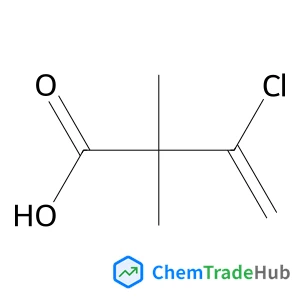
CAS Number
Related Products
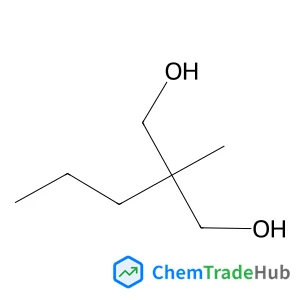
2-methyl-2-propylpropane-1,3-diol
CAS Number: 78-26-2
![Ethyl 3-(2-(((4-carbamimidoylphenyl)amino)methyl)-1-methyl-N-(pyridin-2-yl)-1H-benzo[d]imidazole-5-carboxamido)propanoate hydrochloride](https://static.chemtradehub.com/structs/211/211914-50-0-81b1.webp)
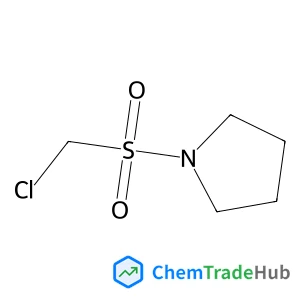
1-chloromethanesulfonylpyrrolidine
CAS Number: 98069-37-5
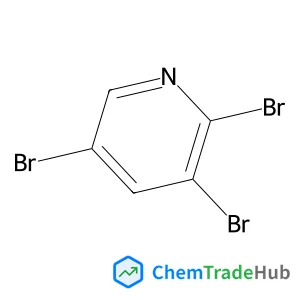
2,3,5-Tribromopyridine
CAS Number: 75806-85-8
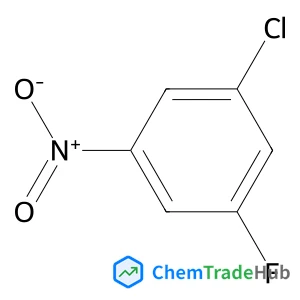
1-Chloro-3-fluoro-5-nitrobenzene
CAS Number: 4815-64-9
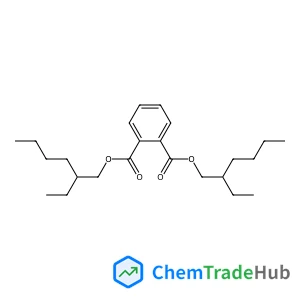
Bis(2-ethylhexyl) phthalate
CAS Number: 117-81-7
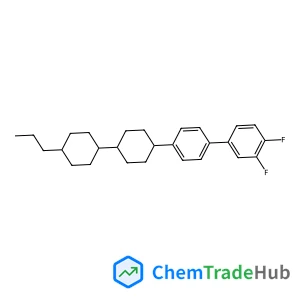
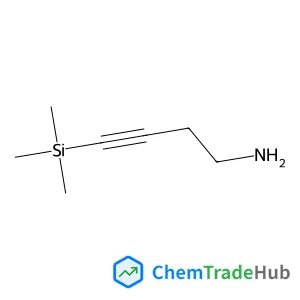
4-(Trimethylsilyl)-3-butyn-1-amine
CAS Number: 183208-71-1
Other Suppliers for 3-Chloro-2,2-dimethyl-3-butenoic acid







Basic Information
Molecular Formula
C6H9ClO2
Molecular Weight
148.59 g/mol
Physical Properties
Boiling Point
218 ºC
Density
1.156
Flash Point
86 ºC
Chemical Identifiers
SMILES
CC(C)(C(=O)O)C(=C)Cl
InChIKey
VJBXJGLLUGUKGW-UHFFFAOYSA-N
Database References
MDL Number
MFCD03093340
FAQ
3-Chloro-2,2-dimethyl-3-butenoic acid (CAS: 56663-75-3) is subject to various regulatory guidelines including GHS classification, REACH regulations, and FDA/EPA requirements. GHS classifies it as a toxic substance. REACH regulations may require registration and notification for industrial use. FDA and EPA may impose additional restrictions on its use and disposal in the United States.
Alternatives to 3-Chloro-2,2-dimethyl-3-butenoic acid (CAS: 56663-75-3) in synthesis include other halogenated acids such as 2-Chloro-3-methyl-3-butenoyl chloride and isomers with different substituents. Common alternative reagents include acetic anhydride and other carboxylic acids, which can serve similar functional group transformations but with varying reaction conditions and safety profiles.
The market for 3-Chloro-2,2-dimethyl-3-butenoic acid (CAS: 56663-75-3) is influenced by its use in pharmaceutical and agrochemical industries. Research trends highlight its application in developing new drugs and pesticides. Recent studies focus on its synthetic utility and environmental impact, with a growing emphasis on sustainable alternatives and safer handling practices.
Waste containing 3-Chloro-2,2-dimethyl-3-butenoic acid (CAS: 56663-75-3) should be collected in appropriate containers and stored in a well-ventilated area. Incineration is a common method of disposal, but professional waste disposal services are recommended. Environmental protection measures include spill containment, proper labeling, and adherence to local and national waste management regulations to minimize environmental impact.
Safety Notice
Please verify product specifications and safety data before use. Contact the supplier for detailed safety information.
Always follow proper handling procedures

Contact Information
Contact Person
Mr. Zhai
xiangyang.zhai@jk-sci.com
Mobile
18210857532
Visit Website
https://www.jkchemical.comAddress
Beijing Chaoyang District, Building A, 5th Floor, Junfeng Huating, No. 69 Beichen West Road