



AD
(2,4-Dibromophenyl)hydrazinium chloride(CAS: 149998-17-4)
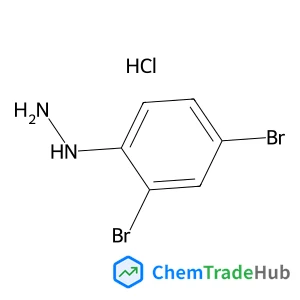
CAS Number
Related Products

2-methyl-2-propylpropane-1,3-diol
CAS Number: 78-26-2
![Ethyl 3-(2-(((4-carbamimidoylphenyl)amino)methyl)-1-methyl-N-(pyridin-2-yl)-1H-benzo[d]imidazole-5-carboxamido)propanoate hydrochloride](https://static.chemtradehub.com/structs/211/211914-50-0-81b1.webp)
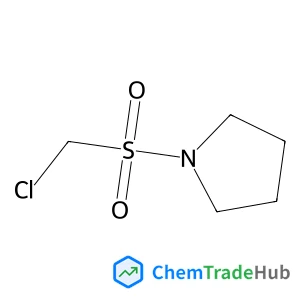
1-chloromethanesulfonylpyrrolidine
CAS Number: 98069-37-5
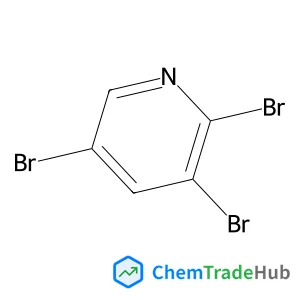
2,3,5-Tribromopyridine
CAS Number: 75806-85-8
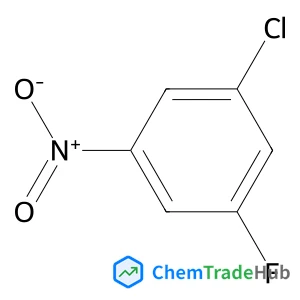
1-Chloro-3-fluoro-5-nitrobenzene
CAS Number: 4815-64-9
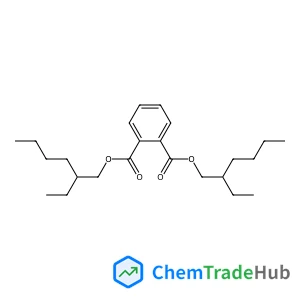
Bis(2-ethylhexyl) phthalate
CAS Number: 117-81-7
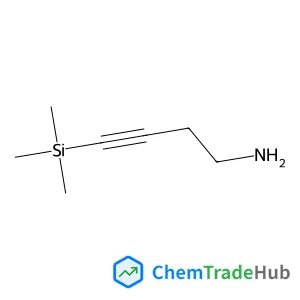
4-(Trimethylsilyl)-3-butyn-1-amine
CAS Number: 183208-71-1
Other Suppliers for (2,4-Dibromophenyl)hydrazinium chloride






Basic Information
Molecular Formula
C6H7Br2ClN2
Molecular Weight
302.4 g/mol
Chemical Identifiers
SMILES
Cl.NNc1ccc(Br)cc1Br
InChIKey
FGOIJIDSPMZMCH-UHFFFAOYSA-N
Database References
MDL Number
MFCD04966814
FAQ
(2,4-Dibromophenyl)hydrazinium chloride is a crystalline solid with a molecular weight of approximately 347.03 g/mol. It has a low solubility in water but is more soluble in organic solvents. It exhibits moderate reactivity towards nucleophiles and electrophiles, making it useful in various synthetic applications. This compound is often handled in a fume hood due to its potential volatility and reactivity.
(2,4-Dibromophenyl)hydrazinium chloride can be synthesized by reacting 2,4-dibromophenylhydrazine with hydrochloric acid. The reaction is typically conducted in anhydrous conditions to improve yield. Commonly, the reaction mixture is heated to facilitate the protonation of the hydrazine moiety, leading to the formation of the chloride salt. This process requires careful monitoring to ensure high selectivity and yield.
(2,4-Dibromophenyl)hydrazinium chloride finds applications in pharmaceuticals, where it is used as a precursor in medicinal chemistry for drug development. It is also utilized in the manufacturing of dyes and pigments, as well as in polymer synthesis for the development of novel materials. Additionally, this compound is employed in sensor technology and semiconductor manufacturing due to its unique chemical properties.
When handling (2,4-Dibromophenyl)hydrazinium chloride, it is crucial to use appropriate personal protective equipment (PPE) including gloves, safety goggles, and a lab coat. Work should be conducted in a well-ventilated area or a fume hood to minimize exposure. Spills should be cleaned up immediately using appropriate absorbents, and the area should be well-ventilated to avoid inhalation of any fumes. Always refer to the Safety Data Sheet (SDS) for detailed emergency response procedures and storage recommendations.
Safety Notice
Please verify product specifications and safety data before use. Contact the supplier for detailed safety information.
Always follow proper handling procedures

Contact Information
Contact Person
Mr. Zhai
xiangyang.zhai@jk-sci.com
Mobile
18210857532
Visit Website
https://www.jkchemical.comAddress
Beijing Chaoyang District, Building A, 5th Floor, Junfeng Huating, No. 69 Beichen West Road