



AD
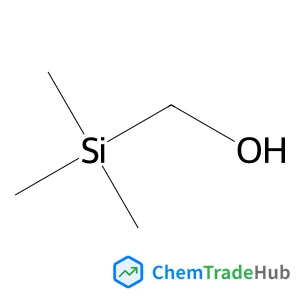
(Trimethylsilyl)methanol(CAS: 3219-63-4)
CAS Number
Related Products
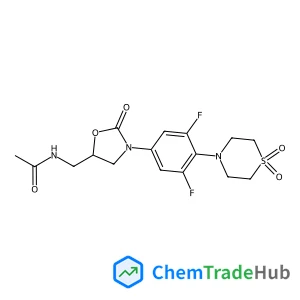
![3-Cyclopropyl-1-(2-fluoro-4-iodophenyl)-5-hydroxy-6,8-dimethylpyrido[2,3-d]pyrimidine-2,4,7(1H,3H,8H)-trione](https://static.chemtradehub.com/structs/871/871700-24-2-c5dd.webp)
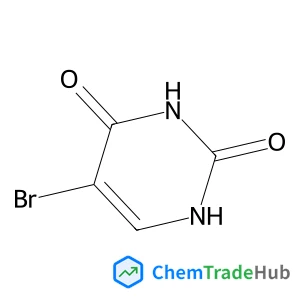
5-Bromo-2,4(1H,3H)-pyrimidinedione
CAS Number: 51-20-7
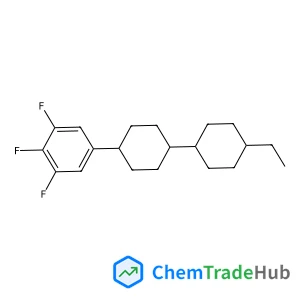
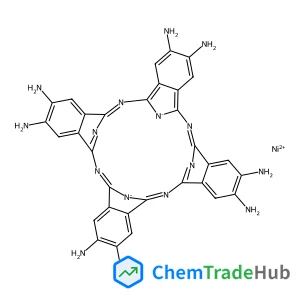
![3-Iodo-1H-pyrrolo[2,3-b]pyridine-4-carbonitrile](https://static.chemtradehub.com/structs/956/956485-59-9-1f04.webp)
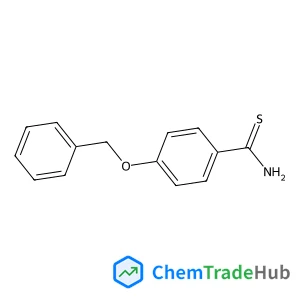
4-Benzyloxy-thiobenzamide
CAS Number: 161975-22-0
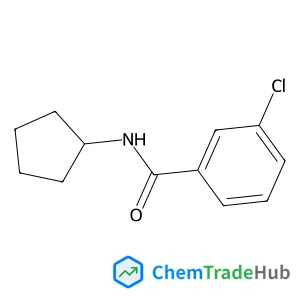
3-Chloro-N-cyclopentylbenzamide
CAS Number: 349128-33-2
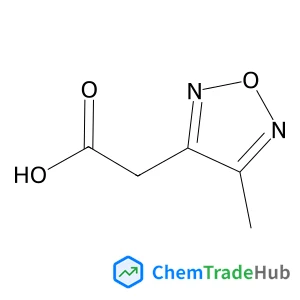
Other Suppliers for (Trimethylsilyl)methanol



Basic Information
Molecular Formula
C4H12OSi
Molecular Weight
104.22 g/mol
Physical Properties
Melting Point
<0°C
Boiling Point
121°C
Water Solubility
Fully miscible in water.
Chemical Identifiers
SMILES
C[Si](C)(C)CO
InChIKey
ZQKNBDOVPOZPLY-UHFFFAOYSA-N
Database References
MDL Number
MFCD00004596
Beilstein Registry Number
1731486
FAQ
(Trimethylsilyl)methanol (CAS: 3219-63-4) falls under the scope of the GHS (Globally Harmonized System of Classification and Labelling of Chemicals) for classification and labelling. It is also subject to REACH (Registration, Evaluation, Authorization and Restriction of Chemicals) regulations in the EU, which require manufacturers and importers to register and evaluate the substance for safety. In the U.S., FDA and EPA have specific requirements for handling and use in pharmaceutical and industrial applications, respectively.
There are several alternatives to (Trimethylsilyl)methanol (CAS: 3219-63-4) in synthesis, including other silylating agents like trimethylchlorosilane (TMCS), tert-butyldimethylsilyl triflate (TBDMSOTf), and other alcohols such as tert-butanol. These alternatives can be chosen based on the specific reaction conditions and desired properties of the final product.
The market for (Trimethylsilyl)methanol (CAS: 3219-63-4) is steadily growing due to its widespread use in organic synthesis, particularly in protecting groups and as a silylating agent. Research trends are focusing on its application in pharmaceuticals, biotechnology, and material sciences. Additionally, there is increasing interest in its use as a green and sustainable reagent, leading to ongoing studies on its environmental impact and potential for safer alternatives.
Waste containing (Trimethylsilyl)methanol (CAS: 3219-63-4) should be collected in appropriate containers and stored separately. Incineration is a common method for disposal, provided it is conducted in an appropriately licensed facility to comply with environmental regulations. Alternatively, professional waste disposal services can be utilized, ensuring the waste is handled in accordance with local and national disposal guidelines to minimize environmental impact and ensure safety.
Safety Notice
Please verify product specifications and safety data before use. Contact the supplier for detailed safety information.
Always follow proper handling procedures
Contact Information
Contact Person
Fang Rui
wangkang@jskchem.com
Mobile
15221441005
Telephone
15221441005
Visit Website
https://www.jskchem.comAddress
No chemical compound information was provided to translate. Please provide the relevant chemical information for translation.