



AD
6-Fluoro-1,4-dihydro-2,3-quinoxalinedione(CAS: 61875-34-1)
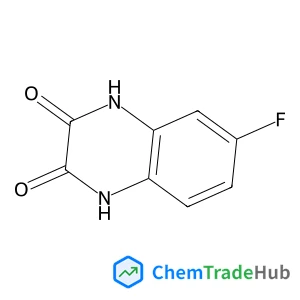
CAS Number
Related Products


Methyl 5-fluoro-6-methoxynicotinate
CAS Number: 953780-40-0
![2,3-dihydropyrido[3,4-d]pyridazine-1,4-dione](https://static.chemtradehub.com/structs/313/31384-08-4-131b.webp)
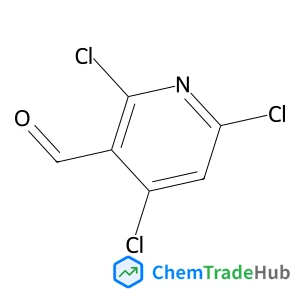
2,4,6-Trichloronicotinaldehyde
CAS Number: 1261269-66-2
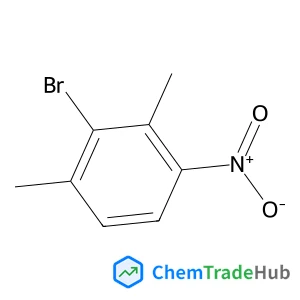
2-Bromo-1,3-dimethyl-4-nitrobenzene
CAS Number: 60956-25-4
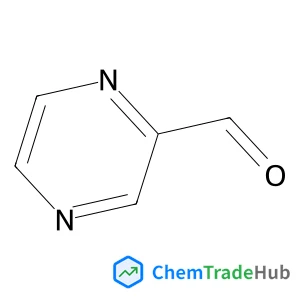
2-Pyrazinecarbaldehyde
CAS Number: 5780-66-5

![1-[3-Nitro-5-(trifluoromethyl)phenyl]ethanone](https://static.chemtradehub.com/structs/391/39174-87-3-e2ae.webp)
Other Suppliers for 6-Fluoro-1,4-dihydro-2,3-quinoxalinedione



Basic Information
Molecular Formula
C8H5FN2O2
Molecular Weight
180.14 g/mol
Chemical Identifiers
SMILES
C1=CC2=C(C=C1F)NC(=O)C(=O)N2
InChIKey
HTMREOADNCVDJP-UHFFFAOYSA-N
Database References
MDL Number
MFCD01841699
FAQ
The regulation of 6-Fluoro-1,4-dihydro-2,3-quinoxalinedione (CAS 61875-34-1) is guided by the Globally Harmonized System of Classification and Labelling of Chemicals (GHS), ensuring proper handling, storage, and transportation. In the European Union, it is also subject to the Registration, Evaluation, Authorization and Restriction of Chemicals (REACH) regulations. Additionally, the U.S. Food and Drug Administration (FDA) and Environmental Protection Agency (EPA) may require specific documentation and reporting for its use and disposal.
Several alternatives to 6-Fluoro-1,4-dihydro-2,3-quinoxalinedione (CAS 61875-34-1) can be used in synthesis, including other quinoxalinediones, fluorenes, and related heterocycles. Common alternatives include 2,3-dihydro-6-quinolone and 1,4-dihydro-2,3-quinoxalinedione. These alternatives offer similar functional groups and can be optimized based on the specific needs of the reaction.
The market for 6-Fluoro-1,4-dihydro-2,3-quinoxalinedione (CAS 61875-34-1) is driven by its application in pharmaceuticals, particularly in the development of antiviral and anticancer drugs. Research trends indicate a focus on optimizing its synthesis, improving its stability, and exploring its potential in new therapeutic areas. Market demand is expected to grow as it continues to be explored in various chemical and biological applications.
Waste containing 6-Fluoro-1,4-dihydro-2,3-quinoxalinedione (CAS 61875-34-1) should be collected in appropriate containers and stored separately to prevent contamination. It should be disposed of through professional waste disposal services that adhere to local and international regulations. Environmental protection measures include proper incineration or chemical treatment to ensure complete degradation. Additionally, it is crucial to follow all safety guidelines to prevent exposure and environmental pollution.
Safety Notice
Please verify product specifications and safety data before use. Contact the supplier for detailed safety information.
Always follow proper handling procedures
Contact Information
Contact Person
Chen Feng
421774967@qq.com