



AD
Ethyl 1H-pyrrole-3-carboxylate(CAS: 37964-17-3)
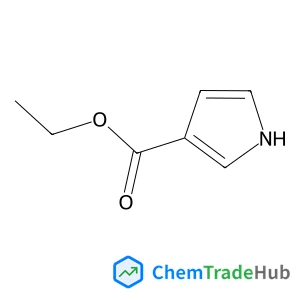
CAS Number
Related Products
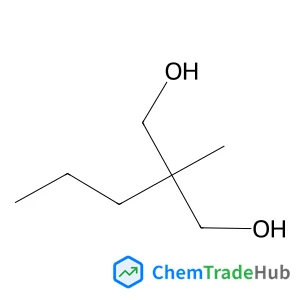
2-methyl-2-propylpropane-1,3-diol
CAS Number: 78-26-2
![Ethyl 3-(2-(((4-carbamimidoylphenyl)amino)methyl)-1-methyl-N-(pyridin-2-yl)-1H-benzo[d]imidazole-5-carboxamido)propanoate hydrochloride](https://static.chemtradehub.com/structs/211/211914-50-0-81b1.webp)
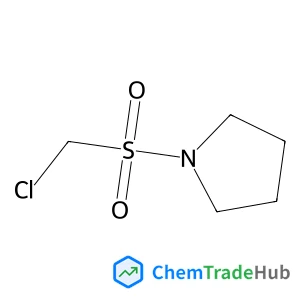
1-chloromethanesulfonylpyrrolidine
CAS Number: 98069-37-5
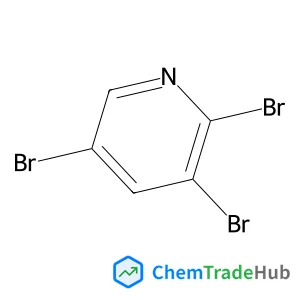
2,3,5-Tribromopyridine
CAS Number: 75806-85-8
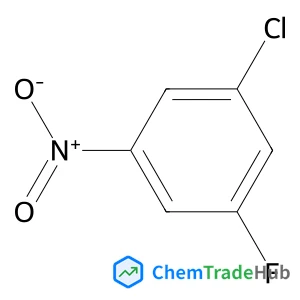
1-Chloro-3-fluoro-5-nitrobenzene
CAS Number: 4815-64-9
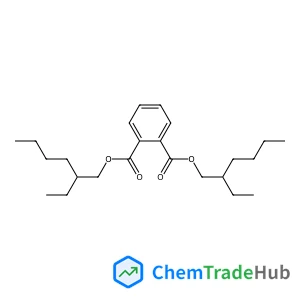
Bis(2-ethylhexyl) phthalate
CAS Number: 117-81-7
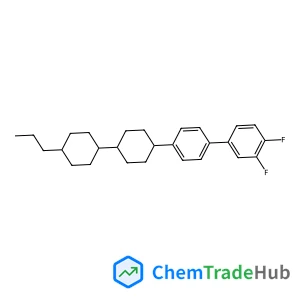
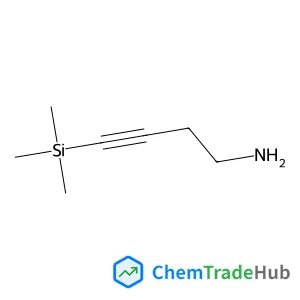
4-(Trimethylsilyl)-3-butyn-1-amine
CAS Number: 183208-71-1
Other Suppliers for Ethyl 1H-pyrrole-3-carboxylate





Basic Information
Molecular Formula
C7H9NO2
Molecular Weight
139.15 g/mol
Physical Properties
Melting Point
118 ºC
Boiling Point
291.8±13.0 ºC (760 Torr)
Flash Point
130.3±19.8 ºC
Chemical Identifiers
SMILES
CCOC(=O)C1=CNC=C1
InChIKey
ICJYWDHNTMJKFP-UHFFFAOYSA-N
Database References
MDL Number
MFCD10000696
FAQ
Ethyl 1H-pyrrole-3-carboxylate (CAS: 37964-17-3) is a colorless or white crystalline solid. It has a molecular weight of approximately 140.16 g/mol and a solubility in water of less than 1 g/L. This compound is moderately reactive, especially towards nucleophiles and bases. It is soluble in common organic solvents such as methanol, ethanol, and acetone.
Ethyl 1H-pyrrole-3-carboxylate (CAS: 37964-17-3) can be synthesized via the condensation of 3-bromopropionic acid ethyl ester and pyrrole. The reaction typically uses a catalytic amount of a base such as potassium carbonate, and is performed in an inert solvent like dimethylformamide (DMF) or N,N-dimethylacetamide (DMAc). The yield is generally around 70-80%, and the method is both economical and efficient.
Ethyl 1H-pyrrole-3-carboxylate (CAS: 37964-17-3) is used in the pharmaceutical industry for the synthesis of certain drug candidates. It also finds application in the production of organic semiconductors and as a precursor in the development of new materials for sensors and polymers. Its versatile chemical properties make it valuable in these industries.
When handling Ethyl 1H-pyrrole-3-carboxylate (CAS: 37964-17-3), it is essential to use appropriate personal protective equipment (PPE) such as gloves, safety goggles, and a lab coat. Work in a well-ventilated area or a fume hood to minimize inhalation risks. Spills should be cleaned up with caution, using appropriate absorbents. Always refer to the Material Safety Data Sheet (MSDS) or Safety Data Sheet (SDS) for detailed handling and disposal instructions.
Safety Notice
Please verify product specifications and safety data before use. Contact the supplier for detailed safety information.
Always follow proper handling procedures

Contact Information
Contact Person
Mr. Zhai
xiangyang.zhai@jk-sci.com
Mobile
18210857532
Visit Website
https://www.jkchemical.comAddress
Beijing Chaoyang District, Building A, 5th Floor, Junfeng Huating, No. 69 Beichen West Road