



AD
2-Phenylbutanenitrile(CAS: 769-68-6)
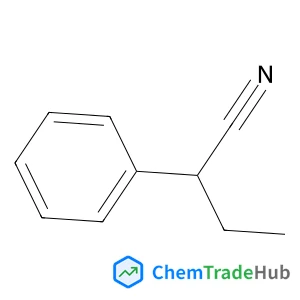
CAS Number
Related Products
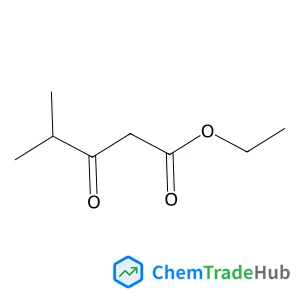
Ethyl 4-methyl-3-oxopentanoate
CAS Number: 7152-15-0
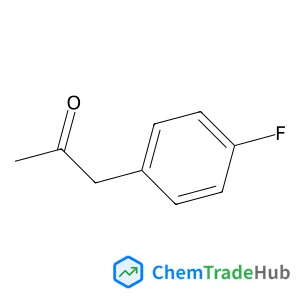
1-(4-Fluorophenyl)acetone
CAS Number: 459-03-0
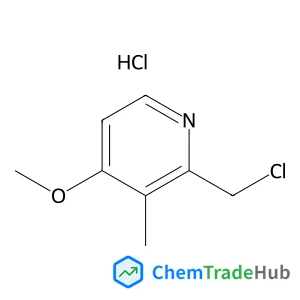
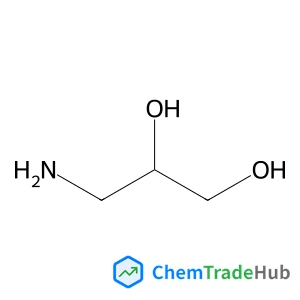
3-Amino-1,2-propanediol
CAS Number: 616-30-8
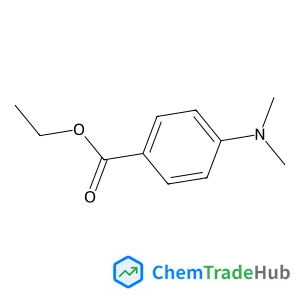
Ethyl 4-(dimethylamino)benzoate
CAS Number: 10287-53-3
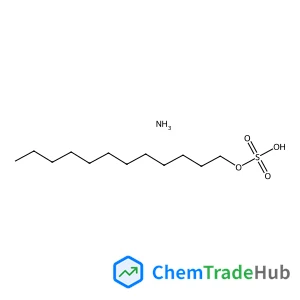
Ammonium dodecyl sulfate
CAS Number: 2235-54-3
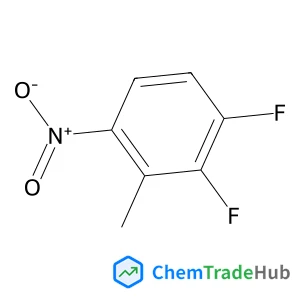
1,2-Difluoro-3-methyl-4-nitrobenzene
CAS Number: 914348-35-9
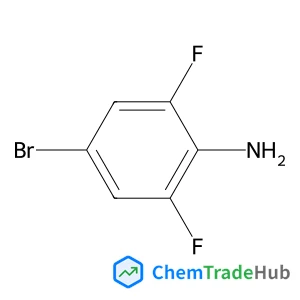
Abemaciclib Impurity 6
CAS Number: 67567-26-4
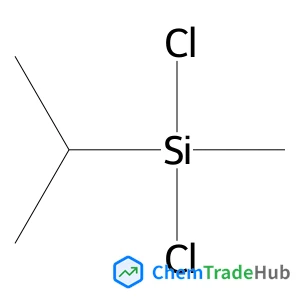
Dichloro(isopropyl)methylsilane
CAS Number: 18236-89-0
Other Suppliers for 2-Phenylbutanenitrile







Basic Information
Molecular Formula
C10H11N
Molecular Weight
145.2 g/mol
Physical Properties
Boiling Point
114-115 °C/15 mmHg(lit.)
Density
0.974 g/mL at 25 °C(lit.)
Chemical Identifiers
SMILES
CCC(C#N)C1=CC=CC=C1
InChIKey
IZPUPXNVRNBDSW-UHFFFAOYSA-N
Database References
MDL Number
MFCD00001876
FAQ
2-Phenylbutanenitrile (CAS: 769-68-6) falls under the regulatory guidelines of the Globally Harmonized System of Classification and Labelling of Chemicals (GHS), including classification for health hazards, flammability, and reactivity. In the EU, it is regulated under REACH, requiring pre-market registration and reporting. For FDA and EPA, it is subject to reporting requirements for toxicological data and environmental impact assessments.
Alternatives to 2-Phenylbutanenitrile (CAS: 769-68-6) in synthesis include 2-Phenylpropanenitrile and 2-Phenylpentanenitrile. Common alternative reagents and substitutes include nitrile compounds with different alkyl chains, such as acetonitrile or benzonitrile, which can serve similar functional roles in certain organic reactions.
The market for 2-Phenylbutanenitrile (CAS: 769-68-6) is growing due to its use in pharmaceuticals and agrochemicals. Research trends focus on its application in drug synthesis and as an intermediate in various chemical reactions. Market dynamics include increasing demand in emerging economies and ongoing development of greener synthesis methods.
Waste containing 2-Phenylbutanenitrile (CAS: 769-68-6) should be collected in appropriate containers, labeled with the chemical name and CAS number. It should be disposed of through incineration or professional waste disposal services, ensuring compliance with local and regional regulations. Environmental protection measures include proper containment to prevent leaks and spills, and the use of personal protective equipment during handling and disposal.
Safety Notice
Please verify product specifications and safety data before use. Contact the supplier for detailed safety information.
Always follow proper handling procedures
Contact Information
Contact Person
Yang Qin
1462312301@qq.com