



AD
2-Bromo-1-fluoro-4-(trifluoromethyl)benzene(CAS: 68322-84-9)
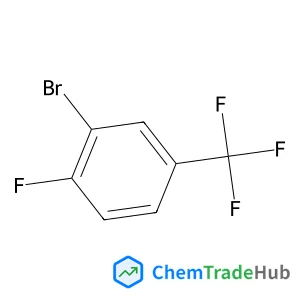
CAS Number
Related Products
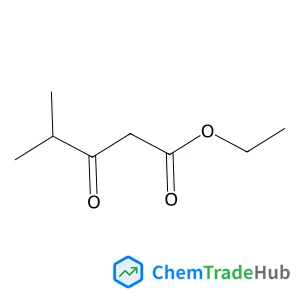
Ethyl 4-methyl-3-oxopentanoate
CAS Number: 7152-15-0
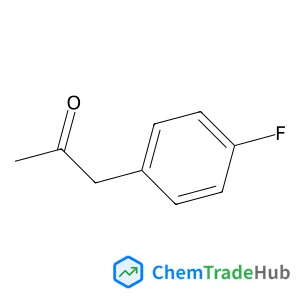
1-(4-Fluorophenyl)acetone
CAS Number: 459-03-0
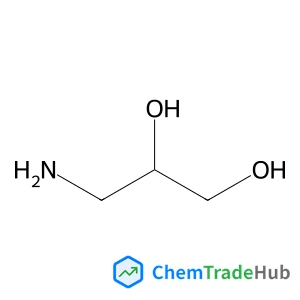
3-Amino-1,2-propanediol
CAS Number: 616-30-8
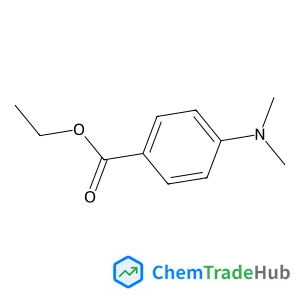
Ethyl 4-(dimethylamino)benzoate
CAS Number: 10287-53-3
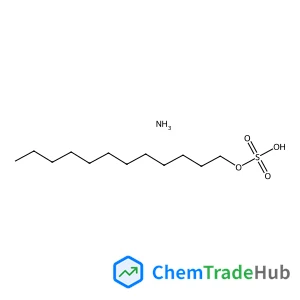
Ammonium dodecyl sulfate
CAS Number: 2235-54-3
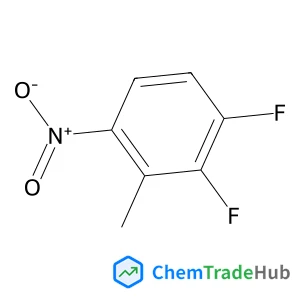
1,2-Difluoro-3-methyl-4-nitrobenzene
CAS Number: 914348-35-9
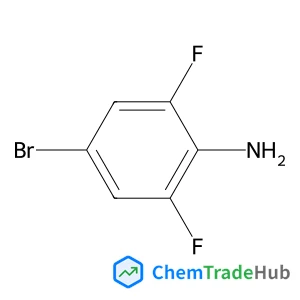
Abemaciclib Impurity 6
CAS Number: 67567-26-4
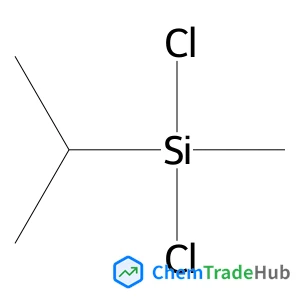
Dichloro(isopropyl)methylsilane
CAS Number: 18236-89-0
Other Suppliers for 2-Bromo-1-fluoro-4-(trifluoromethyl)benzene





Basic Information
Molecular Formula
C7H3BrF4
Molecular Weight
243 g/mol
Physical Properties
Boiling Point
60°C/35mmHg(lit.)
Density
1.706 g/mL at 25 °C(lit.)
Chemical Identifiers
SMILES
C1=CC(=C(C=C1C(F)(F)F)Br)F
InChIKey
RZJOIMPUMMQKFR-UHFFFAOYSA-N
Database References
MDL Number
MFCD00040938
Beilstein Registry Number
2093911
FAQ
2-Bromo-1-fluoro-4-(trifluoromethyl)benzene is a crystalline solid with a molecular weight of 244.02 g/mol. It has limited water solubility and is soluble in organic solvents like dichloromethane and acetonitrile. The compound is highly reactive, particularly towards nucleophiles, and is known for its potent electrophilic aromatic substitution capabilities.
2-Bromo-1-fluoro-4-(trifluoromethyl)benzene is typically synthesized through bromination of 2-fluoro-4-(trifluoromethyl)benzene using N-bromosuccinimide in the presence of a photoinitiator. The reaction conditions are optimized for high yield and selectivity, often requiring UV light exposure to facilitate the bromination process.
2-Bromo-1-fluoro-4-(trifluoromethyl)benzene is used in the pharmaceutical and polymer industries for the synthesis of intermediates and functional materials. It is also important in the electronics sector, particularly in the fabrication of sensors and semiconductors due to its unique chemical structure and reactivity.
When handling 2-Bromo-1-fluoro-4-(trifluoromethyl)benzene, appropriate personal protective equipment (PPE) including gloves, goggles, and a lab coat should be worn. The compound should be handled in a well-ventilated area or fume hood to minimize inhalation risks. Spills should be cleaned up using appropriate absorbent materials and chemical waste should be disposed of according to local regulations. Always consult the safety data sheet (SDS) for detailed handling instructions.
Safety Notice
Please verify product specifications and safety data before use. Contact the supplier for detailed safety information.
Always follow proper handling procedures
Contact Information
Contact Person
Yang Qin
1462312301@qq.com