



AD
Diisopropyl (bromomethyl)phosphonate(CAS: 98432-80-5)
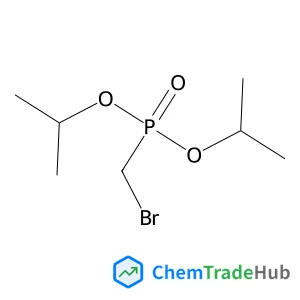
CAS Number
Related Products
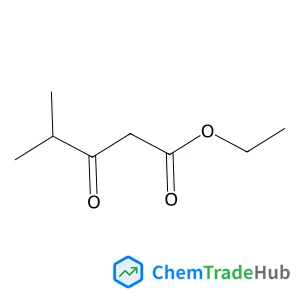
Ethyl 4-methyl-3-oxopentanoate
CAS Number: 7152-15-0
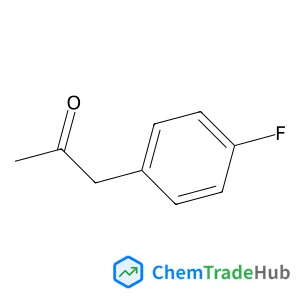
1-(4-Fluorophenyl)acetone
CAS Number: 459-03-0
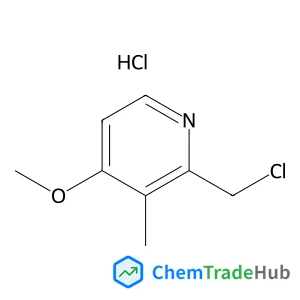
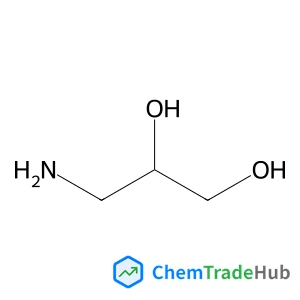
3-Amino-1,2-propanediol
CAS Number: 616-30-8
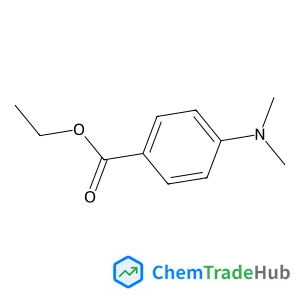
Ethyl 4-(dimethylamino)benzoate
CAS Number: 10287-53-3
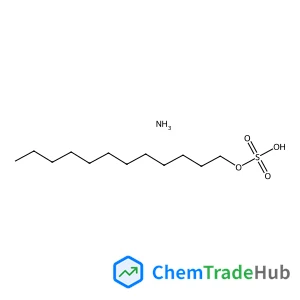
Ammonium dodecyl sulfate
CAS Number: 2235-54-3

1,2-Difluoro-3-methyl-4-nitrobenzene
CAS Number: 914348-35-9

Abemaciclib Impurity 6
CAS Number: 67567-26-4
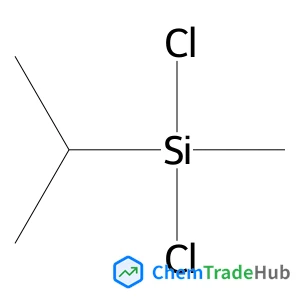
Dichloro(isopropyl)methylsilane
CAS Number: 18236-89-0
Other Suppliers for Diisopropyl (bromomethyl)phosphonate







Basic Information
Molecular Formula
C7H16BrO3P
Molecular Weight
259.08 g/mol
Physical Properties
Boiling Point
262 ºC
Density
1.329
Flash Point
112 ºC
Water Solubility
Insoluble in water.
Chemical Identifiers
SMILES
CC(C)OP(=O)(CBr)OC(C)C
InChIKey
JNONGIUWXHOEEN-UHFFFAOYSA-N
Database References
MDL Number
MFCD00236036
Beilstein Registry Number
4740388
FAQ
Diisopropyl (bromomethyl)phosphonate is a colorless to light yellow liquid with a molecular weight of approximately 262.2 g/mol. It has a specific gravity of around 1.12 g/cm³ and is sparingly soluble in water but readily soluble in organic solvents like ethanol and ethyl acetate. It is susceptible to hydrolysis and nucleophilic substitution reactions, making it reactive under certain conditions.
Diisopropyl (bromomethyl)phosphonate is typically synthesized by reacting diisopropyl phosphite with bromomethyl ketone in the presence of a strong base like sodium hydride. The reaction is carried out in an inert solvent, and the yield is generally high due to the selectivity of the reaction.
Diisopropyl (bromomethyl)phosphonate is used in various industries, particularly in the pharmaceutical sector for the synthesis of certain drugs. It is also utilized in the production of certain polymers and as a precursor in the development of sensors and semiconductors.
When handling Diisopropyl (bromomethyl)phosphonate, it is essential to wear appropriate personal protective equipment (PPE), including gloves, goggles, and a lab coat. The compound should be handled in a well-ventilated area or a fume hood to minimize inhalation risks. Spills should be cleaned up carefully, and proper disposal methods should be followed. Always consult the Safety Data Sheet (SDS) for detailed handling and safety information.
Safety Notice
Please verify product specifications and safety data before use. Contact the supplier for detailed safety information.
Always follow proper handling procedures
Contact Information
Contact Person
Yang Qin
1462312301@qq.com