



AD
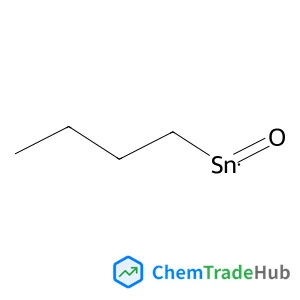
Butyltinoxide(CAS: 51590-67-1)
CAS Number
Related Products
amino}butanoic acid](https://static.chemtradehub.com/structs/221/221124-57-8-c784.webp)
![1-Cyclopropyl-8-methyl-7-[5-methyl-6-(methylamino)-3-pyridinyl]-4-oxo-1,4-dihydro-3-quinolinecarboxylic acid](https://static.chemtradehub.com/structs/245/245765-41-7-85ad.webp)
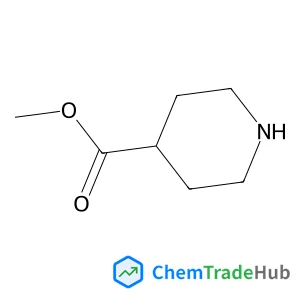
Methyl 4-piperidinecarboxylate
CAS Number: 2971-79-1
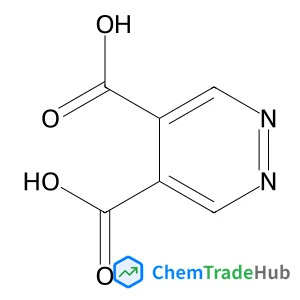
4,5-Pyridazinedicarboxylic acid
CAS Number: 59648-14-5
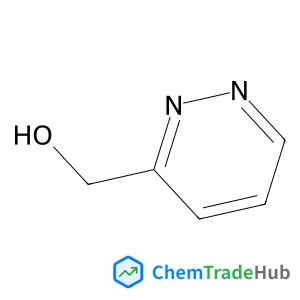
pyridazin-3-ylmethanol
CAS Number: 37444-46-5
![N-[4-(Trifluoromethoxy)phenyl]acetamide](https://static.chemtradehub.com/structs/173/1737-06-0-69aa.webp)
N-[4-(Trifluoromethoxy)phenyl]acetamide
CAS Number: 1737-06-0
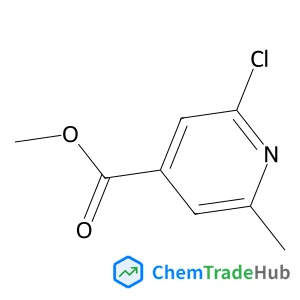
Methyl 2-chloro-6-methylisonicotinate
CAS Number: 3998-90-1

2-Fluoro-5-iodophenol
CAS Number: 186589-89-9
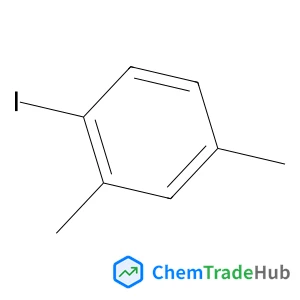
1-Iodo-2,4-dimethylbenzene
CAS Number: 4214-28-2
Other Suppliers for Butyltinoxide





Basic Information
Molecular Formula
C4H9OSn
Molecular Weight
192.83 g/mol
Chemical Identifiers
SMILES
CCCC[Sn]=O
InChIKey
UVGCGWBRFRAOJK-UHFFFAOYSA-N
Database References
MDL Number
MFCD01941519
FAQ
Butyltinoxide (CAS: 51590-67-1) is classified as a hazardous substance according to the Globally Harmonized System of Classification and Labelling of Chemicals (GHS). It falls under the category of flammable liquids and requires appropriate safety data sheets (SDS) and labeling. In the European Union, it is regulated under the Registration, Evaluation, Authorization and Restriction of Chemicals (REACH) regulation. Additionally, the U.S. Environmental Protection Agency (EPA) and the Food and Drug Administration (FDA) have specific requirements for handling and reporting this compound.
Butyltinoxide (CAS: 51590-67-1) is commonly used as an additive in polymerization reactions. Alternatives include other organotin compounds like dibutyltin dilaurate or triphenyltin oxide, though they may have different reactivity and toxicity profiles. Isomeric forms of butyltin compounds can also be considered, but careful consideration is needed regarding their environmental impact and safety characteristics.
The market for Butyltinoxide (CAS: 51590-67-1) is driven by its use in the polymer industry, particularly in the production of rubbers and plastics. Recent research trends focus on developing more environmentally friendly alternatives due to its potential toxicity. Studies are also exploring its use in specialized applications such as coatings and adhesives. Market analysis indicates a steady demand, though there is a growing interest in sustainable and biodegradable alternatives.
Waste containing Butyltinoxide (CAS: 51590-67-1) should be managed according to local regulations and safety guidelines. It is recommended to collect waste in properly labeled, sealed containers. For disposal, incineration is a common method, but professional waste disposal services should be utilized to ensure compliance with environmental protection standards. Precautions include proper ventilation and personal protective equipment (PPE) to prevent inhalation and skin contact. Safe storage and handling practices are essential to minimize environmental and health risks.
Safety Notice
Please verify product specifications and safety data before use. Contact the supplier for detailed safety information.
Always follow proper handling procedures

Contact Information
3007522982@qq.com
Mobile
18117592386
Telephone
021-57481218
Fax
无
Visit Website
https://www.acmec-e.com