



AD
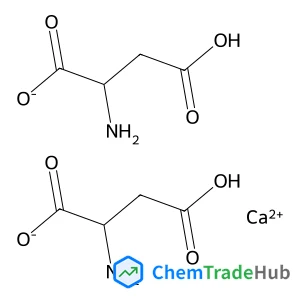
Calcium hydrogen (2S)-2-aminosuccinate (1:2:2)(CAS: 39162-75-9)
CAS Number
Related Products
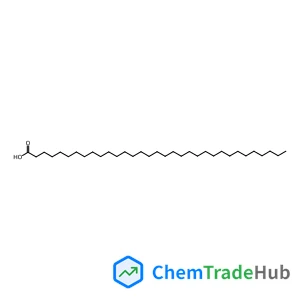
Tritriacontanoic acid
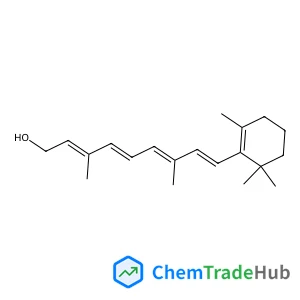
CAS Number: 8063-16-9
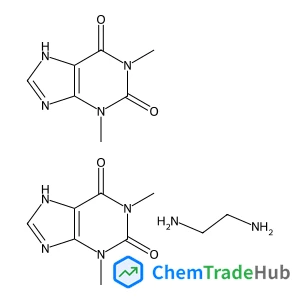
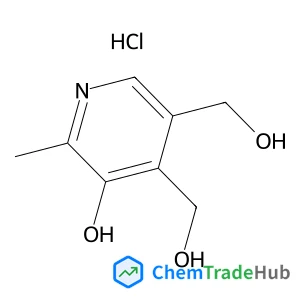
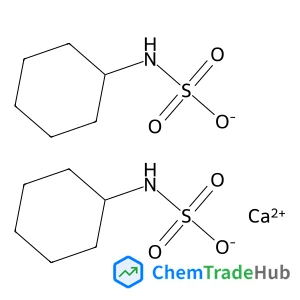
Calcium bis(cyclohexylsulfamate)
CAS Number: 139-06-0
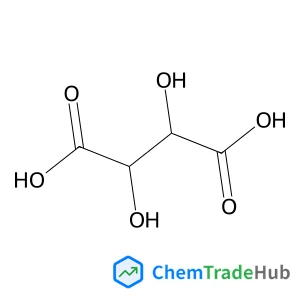
Tartaric acid
CAS Number: 868-14-4
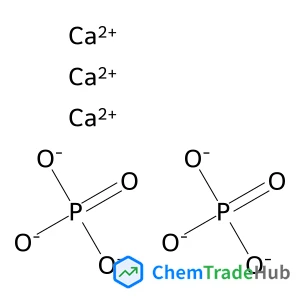
Calcium Phosphate
CAS Number: 7758-87-4
Other Suppliers for Calcium hydrogen (2S)-2-aminosuccinate (1:2:2)



Basic Information
Molecular Formula
C8H12CaN2O8
Molecular Weight
304.27 g/mol
Physical Properties
Melting Point
270-271ºC
Boiling Point
264.1 °C at 760 mmHg
Density
1.514
Flash Point
113.5 °C
Chemical Identifiers
SMILES
C(C(C(=O)[O-])N)C(=O)O.C(C(C(=O)[O-])N)C(=O)O.[Ca+2]
InChIKey
VAFAEQCKZBKRLZ-CEOVSRFSSA-L
Database References
MDL Number
MFCD23382353
FAQ
Calcium hydrogen (2S)-2-aminosuccinate (1:2:2) (CAS: 39162-75-9) is a white crystalline solid with a molecular weight of approximately 296.3 g/mol. It is slightly soluble in water and ethanol. This compound is known for its reducing properties and can react with various metal ions and oxidizing agents. It is also stable under normal conditions but may decompose at high temperatures.
Calcium hydrogen (2S)-2-aminosuccinate (1:2:2) (CAS: 39162-75-9) can be synthesized by reacting calcium hydrogen succinate with (2S)-2-aminosuccinic acid in a 1:2 molar ratio. The reaction is typically conducted in water at a neutral pH, using mild conditions to ensure high selectivity and yield. Catalysts such as sodium bicarbonate can be used to enhance the reaction efficiency.
Calcium hydrogen (2S)-2-aminosuccinate (1:2:2) (CAS: 39162-75-9) is primarily used in the pharmaceutical industry due to its potential as a chelating agent and as a precursor for other pharmaceutical compounds. It is also utilized in the polymer industry for its ability to improve the properties of polymers. Additionally, it has applications in sensors and semiconductors for its unique chemical properties.
When handling Calcium hydrogen (2S)-2-aminosuccinate (1:2:2) (CAS: 39162-75-9), it is important to wear proper personal protective equipment (PPE), including gloves and safety goggles. This compound should be stored in a cool, dry place away from direct sunlight and heat sources. It is not hazardous to handle, but care should be taken to avoid inhalation or skin contact. In the event of a spill, it should be cleaned up using standard laboratory procedures, and the area should be ventilated. For more detailed information, consult the Safety Data Sheet (SDS) provided by the manufacturer.
Safety Notice
Please verify product specifications and safety data before use. Contact the supplier for detailed safety information.
Always follow proper handling procedures