



AD
9,9'-(5-Bromo-1,3-phenylene)bis(9H-carbazole)(CAS: 750573-24-1)
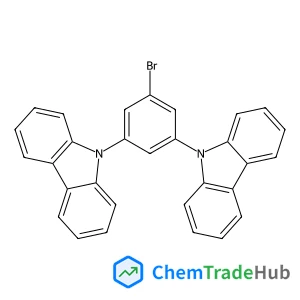
CAS Number
Related Products
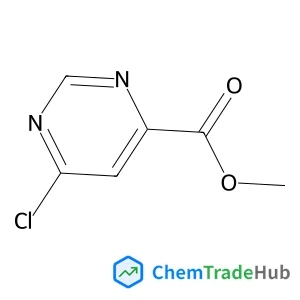
Methyl 6-chloro-4-pyrimidinecarboxylate
CAS Number: 6627-22-1
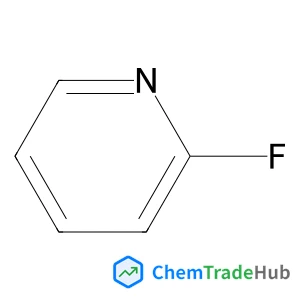
2-Fluoropyridine
CAS Number: 372-48-5
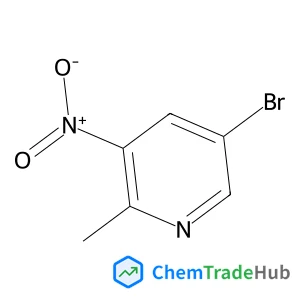
5-Bromo-2-methyl-3-nitropyridine
CAS Number: 911434-05-4
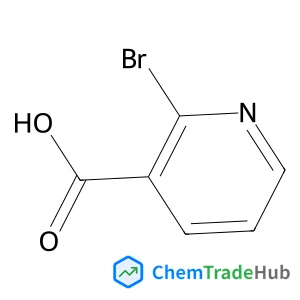
2-Bromonicotinic acid
CAS Number: 35905-85-2
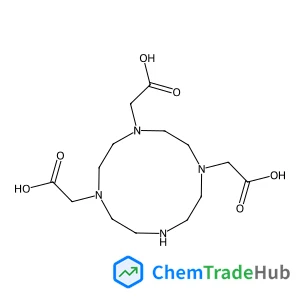
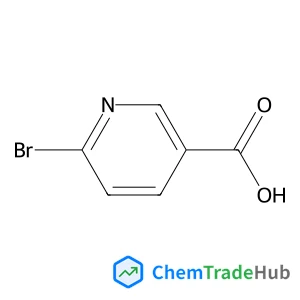
6-Bromonicotinic acid
CAS Number: 6311-35-9
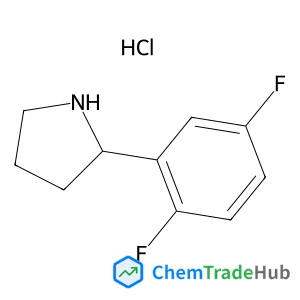
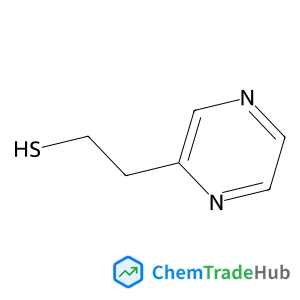
2-(2-Pyrazinyl)ethanethiol
CAS Number: 35250-53-4
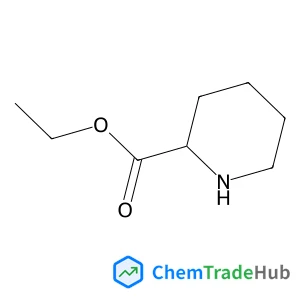
Ethyl 2-piperidinecarboxylate
CAS Number: 15862-72-3
Other Suppliers for 9,9'-(5-Bromo-1,3-phenylene)bis(9H-carbazole)



Basic Information
Molecular Formula
C30H19BrN2
Molecular Weight
487.4 g/mol
Physical Properties
Melting Point
224.0 to 228.0 deg-C
Chemical Identifiers
SMILES
BrC1=CC(=CC(=C1)N1C2=C(C=CC=C2)C2=C1C=CC=C2)N1C2=C(C=CC=C2)C2=C1C=CC=C2
InChIKey
SJOKONNBSXFPSN-UHFFFAOYSA-N
Database References
MDL Number
MFCD28100481
FAQ
The compound 9,9'-(5-Bromo-1,3-phenylene)bis(9H-carbazole) (CAS: 750573-24-1) is an orange solid with a crystalline form. Its molecular weight is approximately 563.27 g/mol. It has low solubility in water but is soluble in common organic solvents like THF and DMF. The compound is moderately reactive, showing good stability under normal conditions but can undergo photodegradation. It has a high melting point around 240°C.
9,9'-(5-Bromo-1,3-phenylene)bis(9H-carbazole) is typically synthesized through the coupling of 5-bromophenylene and 9,9'-dicarbazoles. The reaction is catalyzed by palladium(II) acetate and triphenylphosphine under mild conditions. The yield is generally good, and the selectivity is high, making it a suitable method for industrial production.
9,9'-(5-Bromo-1,3-phenylene)bis(9H-carbazole) (CAS: 750573-24-1) finds applications in the semiconductor industry for its use in organic light-emitting diodes (OLEDs). It is also utilized in the pharmaceutical industry for certain dye formulations and in sensing technologies for its unique optical properties.
When handling 9,9'-(5-Bromo-1,3-phenylene)bis(9H-carbazole) (CAS: 750573-24-1), ensure proper personal protective equipment (PPE) such as gloves, goggles, and lab coats. Work in a well-ventilated area or fume hood to minimize inhalation risks. Store the compound in a cool, dry place away from direct sunlight. In case of spill, contain with absorbent material and dispose of according to local regulations. Always consult the Safety Data Sheet (SDS) for detailed handling instructions.
Safety Notice
Please verify product specifications and safety data before use. Contact the supplier for detailed safety information.
Always follow proper handling procedures
Contact Information
Contact Person
Manager Wang
hope2084@163.com