



AD
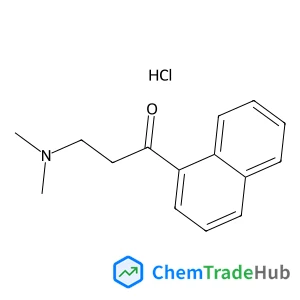
3-(Dimethylamino)-1-(1-naphthyl)-1-propanone hydrochloride (1:1)(CAS: 5409-58-5)
CAS Number
Related Products
![2-Chloro-10-[3-(4-methyl-1-piperazinyl)propyl]-10H-phenothiazine](https://static.chemtradehub.com/structs/58-/58-38-8-9a44.webp)
![(2S)-2-Amino-4-[(2-methyl-2-propanyl)oxy]-4-oxobutanoic acid](https://static.chemtradehub.com/structs/305/3057-74-7-60dc.webp)
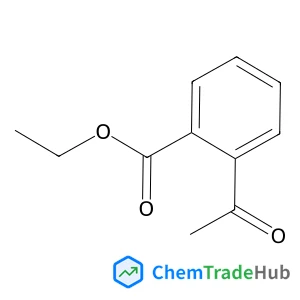
Ethyl 2-acetylbenzoate
CAS Number: 103935-10-0
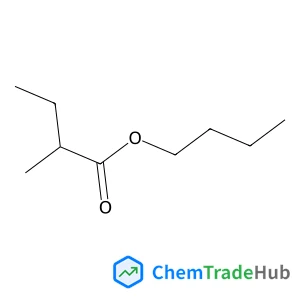
Butanoic acid, 2-methyl-, butyl ester
CAS Number: 15706-73-7
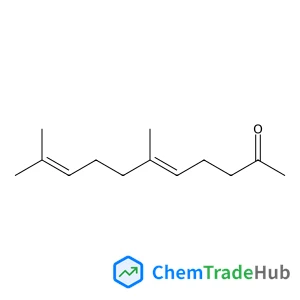
6,10-Dimethyl-5,9-undecadien-2-one
CAS Number: 689-67-8
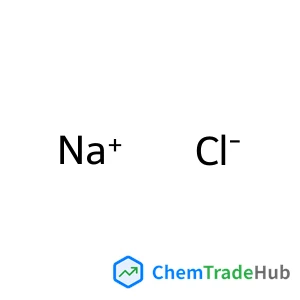
Sodium chloride
CAS Number: 7647-14-5
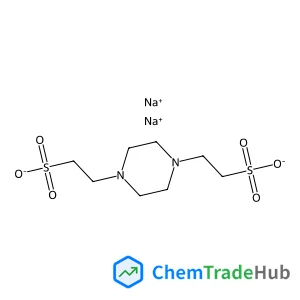
Other Suppliers for 3-(Dimethylamino)-1-(1-naphthyl)-1-propanone hydrochloride (1:1)





Basic Information
Molecular Formula
C15H18ClNO
Molecular Weight
263.77 g/mol
Physical Properties
Melting Point
165 ºC
Boiling Point
368.7℃ at 760 mmHg
Density
1.072
Flash Point
139.4°C
Chemical Identifiers
SMILES
CN(C)CCC(=O)C1=CC=CC2=CC=CC=C21.Cl
InChIKey
GUTDWEKYWTXJGD-UHFFFAOYSA-N
Database References
MDL Number
MFCD00554996
FAQ
3-(Dimethylamino)-1-(1-naphthyl)-1-propanone hydrochloride is a crystalline compound with a molecular weight of approximately 316.8 g/mol. It is soluble in water and organic solvents. The compound is known for its stability and low reactivity under normal conditions. It is a key intermediate in the synthesis of various pharmaceuticals and organic compounds.
3-(Dimethylamino)-1-(1-naphthyl)-1-propanone hydrochloride is typically synthesized through a multi-step process involving the condensation of 1-naphthylamine and dimethylamine followed by hydrochloric acid treatment. The process is carried out in the presence of a catalyst to enhance selectivity and yield. The reaction is monitored for purity and yield, which is typically around 85-90%.
3-(Dimethylamino)-1-(1-naphthyl)-1-propanone hydrochloride is widely used in the pharmaceutical industry for the synthesis of drug candidates. It is also utilized in the polymer industry for the development of specialized polymers and in the field of sensors for its unique optical properties. Additionally, it is used in semiconductor technology as a precursor in the production of certain materials.
When handling 3-(Dimethylamino)-1-(1-naphthyl)-1-propanone hydrochloride, it is essential to wear appropriate personal protective equipment (PPE) such as gloves, goggles, and a lab coat. The substance should be handled in a well-ventilated area or a fume hood to minimize exposure. In the event of a spill, it should be cleaned up immediately using appropriate measures. Always refer to the Safety Data Sheet (SDS) for detailed handling and emergency procedures.
Safety Notice
Please verify product specifications and safety data before use. Contact the supplier for detailed safety information.
Always follow proper handling procedures
Contact Information
Contact Person
Hu Gebing
2369399482@qq.com