



AD
6-Quinolinol(CAS: 580-16-5)
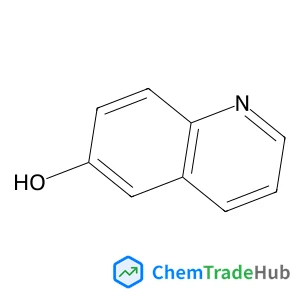
CAS Number
Related Products
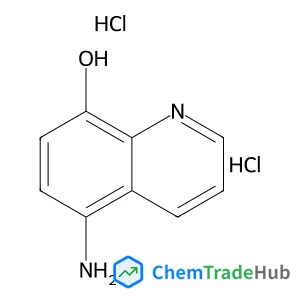
5-Amino-8-quinolinol dihydrochloride
CAS Number: 21302-43-2
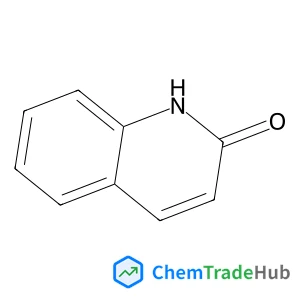
2-Quinolinol
CAS Number: 59-31-4
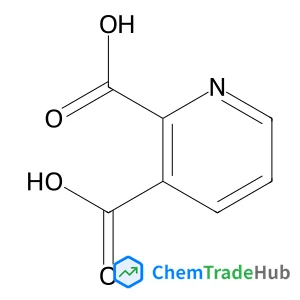
2,3-Pyridinedicarboxylic acid
CAS Number: 89-00-9
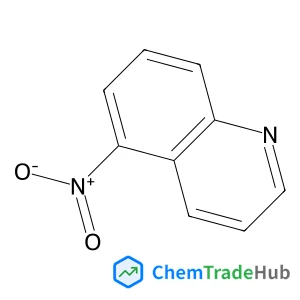
5-Nitroquinoline
CAS Number: 607-34-1
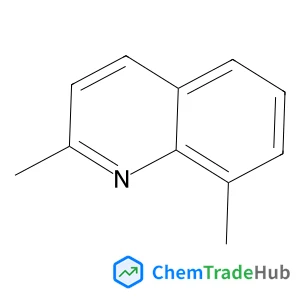
2,8-Dimethylquinoline
CAS Number: 1463-17-8
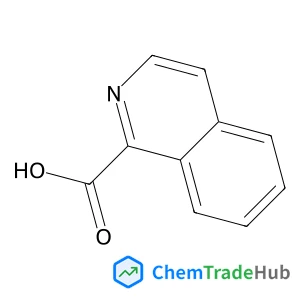
1-Isoquinolinecarboxylic acid
CAS Number: 486-73-7
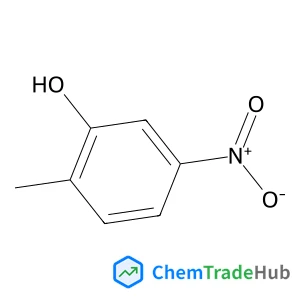
2-Methyl-5-nitrophenol
CAS Number: 5428-54-6
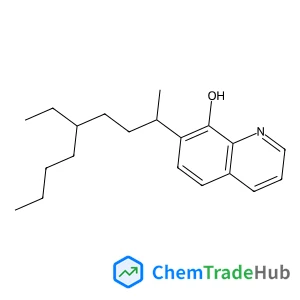
7-(5-Ethyl-2-nonanyl)-8-quinolinol
CAS Number: 73545-11-6
Other Suppliers for 6-Quinolinol





Basic Information
Molecular Formula
C9H7NO
Molecular Weight
145.16 g/mol
Physical State
White to Yellow Solid
Physical Properties
Melting Point
188-190 °C (lit.)
Boiling Point
264.27°C (rough estimate)
Flash Point
143.1℃
Chemical Identifiers
SMILES
C1=CC2=C(C=CC(=C2)O)N=C1
InChIKey
OVYWMEWYEJLIER-UHFFFAOYSA-N
Database References
MDL Number
MFCD00047611
FAQ
6-Quinolinol (CAS: 580-16-5) is regulated under the Globally Harmonized System of Classification and Labelling of Chemicals (GHS) for hazardous properties such as skin irritation and potential carcinogenicity. In the European Union, it is also subject to the Registration, Evaluation, Authorisation and Restriction of Chemicals (REACH) regulation. Additionally, the U.S. Food and Drug Administration (FDA) and Environmental Protection Agency (EPA) may have specific requirements for its handling and disposal. Compliance with these regulations is essential to ensure safe and legal use of the compound.
Several alternatives to 6-Quinolinol (CAS: 580-16-5) can be used in synthesis, such as 8-Quinolinol or 7-Quinolinol, depending on the desired properties of the final product. Other potential alternatives include 6-Chloroquinoline or 6-Methylquinoline. These alternatives may offer different reactivity profiles and functional group compatibility, providing a range of options for synthetic chemists.
The market for 6-Quinolinol (CAS: 580-16-5) is driven by its applications in pharmaceuticals, particularly as a precursor for the synthesis of anticonvulsant and antipsychotic drugs. Research trends indicate a growing interest in its use as a ligand in transition metal catalysis for organometallic chemistry. Additionally, there is ongoing exploration of its use in dye and pigment synthesis, as well as in the development of new materials with electronic properties. The trend suggests a stable and potentially expanding market due to its versatile functionality.
Handling waste containing 6-Quinolinol (CAS: 580-16-5) requires careful consideration of its potential hazards. Waste should be collected in appropriate containers, labeled as hazardous, and stored in a well-ventilated area away from incompatible materials. For disposal, professional waste management services or incineration facilities with appropriate permits should be used. Environmental precautions include ensuring that waste does not enter water systems or soil, and that all personnel are trained in proper waste handling and disposal procedures to prevent exposure and contamination. Compliance with local, national, and international regulations is crucial for safe disposal.
Safety Notice
Please verify product specifications and safety data before use. Contact the supplier for detailed safety information.
Always follow proper handling procedures
Contact Information
wanfeng@wanfengchem.com