



AD
2-Chloro-3-nitro-4-pyridinamine(CAS: 2789-25-5)
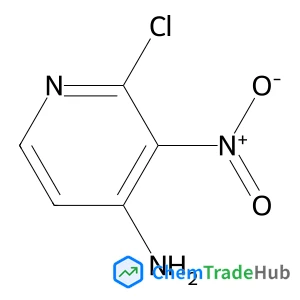
CAS Number
Related Products
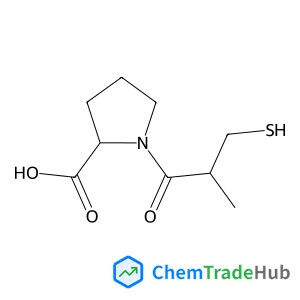
Captopril
CAS Number: 62571-86-2
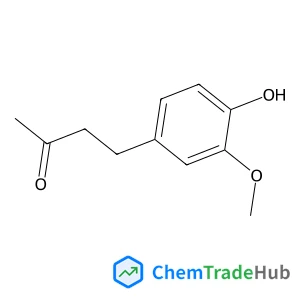
4-(4-Hydroxy-3-methoxyphenyl)-2-butanone
CAS Number: 122-48-5
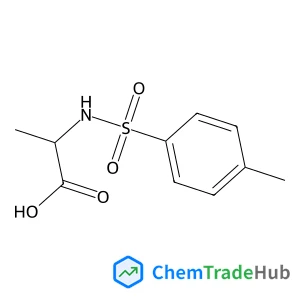
N-Tosyl-L-alanine
CAS Number: 21957-58-4

Alanyl-L-tyrosine
CAS Number: 3061-88-9
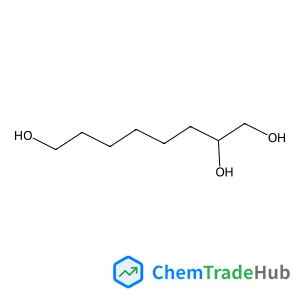
Octane-1,2,8-triol
CAS Number: 382631-43-8
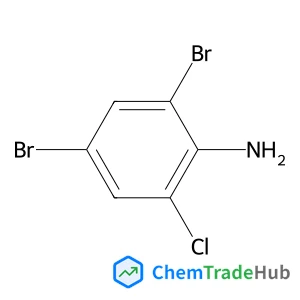
2,4-Dibromo-6-chloroaniline
CAS Number: 874-18-0
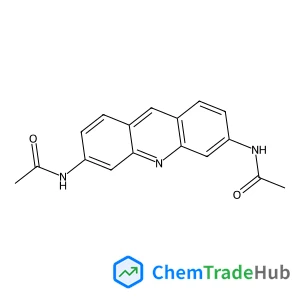
N,N'-3,6-Acridinediyldiacetamide
CAS Number: 15724-70-6
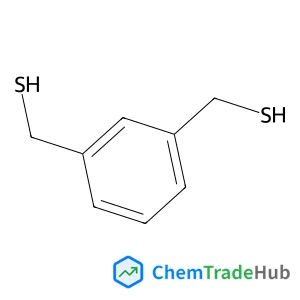
1,3-Phenylenedimethanethiol
CAS Number: 41563-69-3
Other Suppliers for 2-Chloro-3-nitro-4-pyridinamine




Basic Information
Molecular Formula
C5H4ClN3O2
Molecular Weight
173.56 g/mol
Physical State
Solid
Physical Properties
Melting Point
198-204°C
Boiling Point
392.8℃ at 760 mmHg
Density
1.596
Flash Point
191.4 °C
Chemical Identifiers
SMILES
C1=CN=C(C(=C1N)[N+](=O)[O-])Cl
InChIKey
PDQAWJXOYURKPI-UHFFFAOYSA-N
Database References
MDL Number
MFCD07368898
FAQ
2-Chloro-3-nitro-4-pyridinamine is a crystalline solid with a molecular weight of approximately 207.58 g/mol. It has low water solubility and is moderately soluble in polar solvents like dimethylformamide. It reacts readily with reducing agents and can undergo nitro reduction under controlled conditions. This compound has a melting point of about 145-147°C and is stable under normal laboratory conditions.
2-Chloro-3-nitro-4-pyridinamine is commonly synthesized via the nitration of 2-chloro-4-pyridinamine and subsequent purification. The nitration step typically involves the use of concentrated nitric acid and sulfuric acid as the nitrating mixture. The reaction is conducted in a fume hood under controlled temperature conditions to ensure safety and high yield.
2-Chloro-3-nitro-4-pyridinamine is primarily used in the pharmaceutical industry as an intermediate in the synthesis of certain drugs. It also finds applications in the polymer industry for the production of special polymers with specific properties. Additionally, it is used in the semiconductor industry for the fabrication of electronic components.
When handling 2-Chloro-3-nitro-4-pyridinamine, appropriate personal protective equipment (PPE) such as gloves, safety goggles, and a lab coat should be worn. This compound should be managed in a well-ventilated area or a fume hood to minimize exposure. Spills should be handled carefully using appropriate absorbent materials and the manufacturer's safety data sheet (SDS) should be consulted for specific spill cleanup procedures. Storage should be in a cool, dry place away from incompatible substances.
Safety Notice
Please verify product specifications and safety data before use. Contact the supplier for detailed safety information.
Always follow proper handling procedures
Contact Information
Contact Person
Zhang Zeyuan
Sales-CN@TCIchemicals.com