



AD
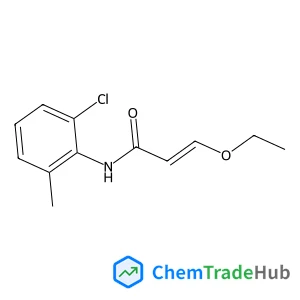
(2E)-N-(2-Chloro-6-methylphenyl)-3-ethoxyacrylamide(CAS: 863127-76-8)
CAS Number
Related Products
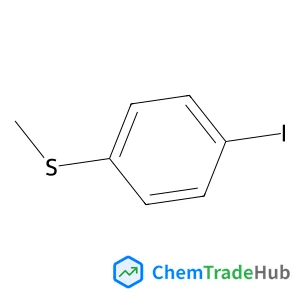
1-Iodo-4-(methylsulfanyl)benzene
CAS Number: 35371-03-0
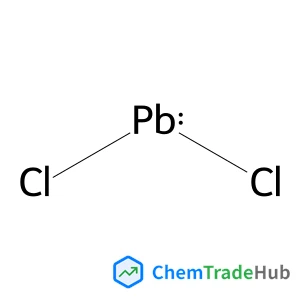
Dichloro-lambda~2~-plumbane
CAS Number: 7758-95-4
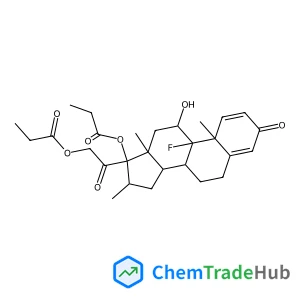
PUMICE STONE
CAS Number: 1332-09-8
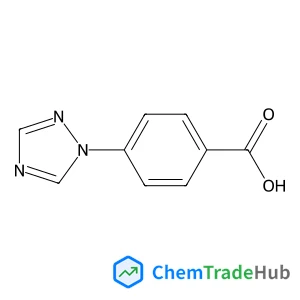
4-(1H-1,2,4-Triazol-1-yl)benzoic acid
CAS Number: 162848-16-0

2,3-Dibromobutane
CAS Number: 5408-86-6
SOYBEAN MEAL
CAS Number: 68308-36-1
![2-Chloro-N-[2-(2,6-dioxo-3-piperidinyl)-1,3-dioxo-2,3-dihydro-1H-isoindol-4-yl]acetamide](https://static.chemtradehub.com/structs/444/444287-84-7-fa4b.webp)
Other Suppliers for (2E)-N-(2-Chloro-6-methylphenyl)-3-ethoxyacrylamide




Basic Information
Molecular Formula
C12H14ClNO2
Molecular Weight
239.7 g/mol
Physical Properties
Boiling Point
386.5℃ at 760 mmHg
Density
1.197
Chemical Identifiers
SMILES
CCO/C=C/C(=O)Nc1c(C)cccc1Cl
InChIKey
DBYFNZJHXGNAGW-BQYQJAHWSA-N
Database References
MDL Number
MFCD13185963
FAQ
(2E)-N-(2-Chloro-6-methylphenyl)-3-ethoxyacrylamide is a colorless to white crystalline solid with a molecular weight of approximately 256.2 g/mol. It has a melting point of 68-70°C and a limited solubility in water (solubility <1 g/L). This compound is reactive towards nucleophiles and exhibits good stability under acidic and basic conditions. It is not flammable but can undergo photodegradation.
How is (2E)-N-(2-Chloro-6-methylphenyl)-3-ethoxyacrylamide (CAS: 863127-76-8) typically synthesized?
(2E)-N-(2-Chloro-6-methylphenyl)-3-ethoxyacrylamide can be synthesized via a condensation reaction between 2-chloro-6-methylacetophenone and ethoxyacryloyl chloride in the presence of a base such as triethylamine. The reaction yield is typically around 75-85%, and the process involves a key step of selective acylation to form the desired product.
(2E)-N-(2-Chloro-6-methylphenyl)-3-ethoxyacrylamide is primarily used in the pharmaceutical and polymer industries. It can serve as a precursor for the synthesis of active pharmaceutical ingredients (APIs) and also finds applications in the formulation of polymer additives for enhanced properties such as thermal stability and mechanical strength.
When handling (2E)-N-(2-Chloro-6-methylphenyl)-3-ethoxyacrylamide, it is important to wear appropriate personal protective equipment (PPE) including gloves, safety goggles, and a lab coat. Work should be conducted in a fume hood to minimize exposure. Spills should be cleaned up using appropriate absorbent materials and disposed of according to local regulations. Always refer to the Safety Data Sheet (SDS) for specific handling and safety instructions.
Safety Notice
Please verify product specifications and safety data before use. Contact the supplier for detailed safety information.
Always follow proper handling procedures
Contact Information
Contact Person
Ludu
order@canspecsci.com