



AD
2-(Chloromethyl)quinoline(CAS: 4377-41-7)
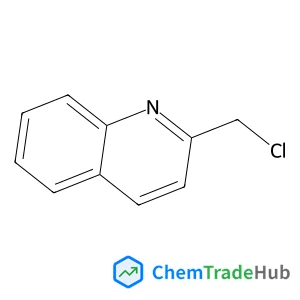
CAS Number
Related Products
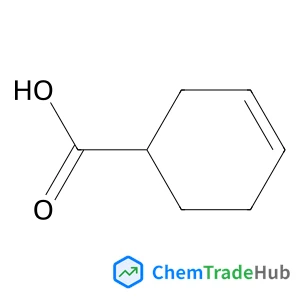
(1S)-3-Cyclohexene-1-carboxylic acid
CAS Number: 5708-19-0
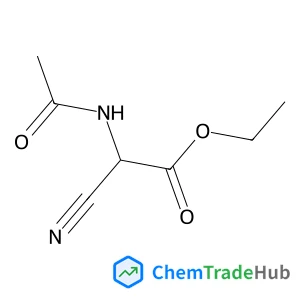
Ethyl Acetamidocyanoacetate
CAS Number: 4977-62-2
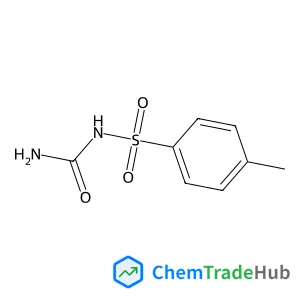
N-Carbamoyl-4-methylbenzenesulfonamide
CAS Number: 1694-06-0
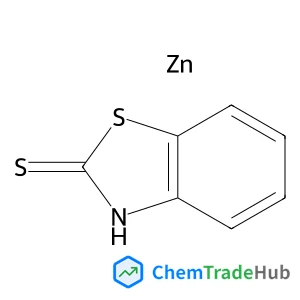
Zinc bis(1,3-benzothiazole-2-thiolate)
CAS Number: 155-04-4
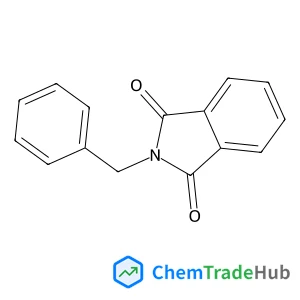
2-Benzyl-1H-isoindole-1,3(2H)-dione
CAS Number: 2142-01-0
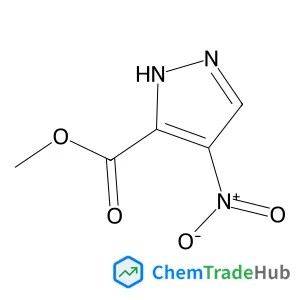
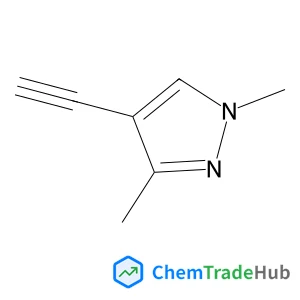
4-Ethynyl-1,3-dimethyl-1H-pyrazole
CAS Number: 61514-53-2
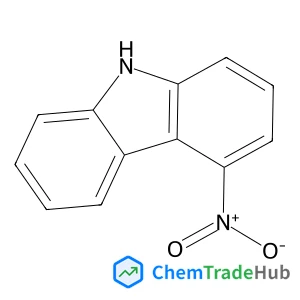
1-Nitro-9H-carbazole
CAS Number: 57905-76-7
Other Suppliers for 2-(Chloromethyl)quinoline





Basic Information
Molecular Formula
C10H8ClN
Molecular Weight
177.63 g/mol
Physical Properties
Melting Point
56.5-57.5 ºC
Chemical Identifiers
SMILES
C1=CC=C2C(=C1)C=CC(=N2)CCl
InChIKey
DDEAEWMDOSXKBX-UHFFFAOYSA-N
Database References
MDL Number
MFCD00023999
FAQ
2-(Chloromethyl)quinoline (CAS: 4377-41-7) is a crystalline solid with a molecular weight of approximately 181.61 g/mol. It has a low solubility in water but is soluble in organic solvents like ethanol and acetone. The compound is moderately reactive towards nucleophiles and can undergo nucleophilic substitution reactions. It is used in various applications requiring its unique chemical properties.
2-(Chloromethyl)quinoline can be synthesized via the reaction of quinoline with chloroform in the presence of a Lewis acid catalyst, such as aluminum chloride. The process involves the formation of an intermediate that then undergoes substitution to yield the final product. The yield is generally around 70-80%, and the reaction is performed under anhydrous conditions to avoid hydrolysis.
2-(Chloromethyl)quinoline (CAS: 4377-41-7) is used in the pharmaceutical industry for the development of certain medicinals. It is also utilized in the polymer industry for the production of specialized polymers, and in the sensor and semiconductor industries for specific chemical sensing applications.
When handling 2-(Chloromethyl)quinoline (CAS: 4377-41-7), appropriate personal protective equipment (PPE) should be used, including gloves, goggles, and a lab coat. The compound should be worked with in a well-ventilated area, preferably a fume hood, to avoid inhalation. Spills should be cleaned up carefully, and the material safety data sheet (MSDS) should be consulted for detailed spill procedures. Proper disposal methods should be followed according to local regulations.
Safety Notice
Please verify product specifications and safety data before use. Contact the supplier for detailed safety information.
Always follow proper handling procedures
Contact Information
jacschem@163.com