



AD
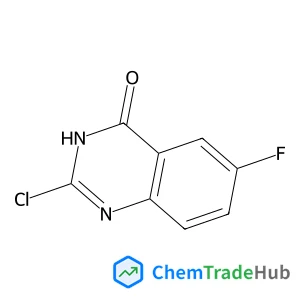
2-Chloro-6-fluoro-4(1H)-quinazolinone(CAS: 769158-12-5)
CAS Number
Related Products
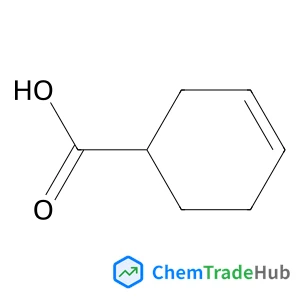
(1S)-3-Cyclohexene-1-carboxylic acid
CAS Number: 5708-19-0
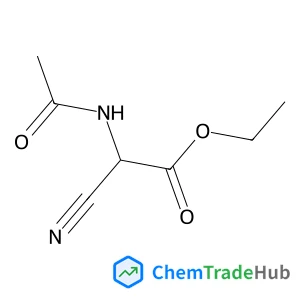
Ethyl Acetamidocyanoacetate
CAS Number: 4977-62-2
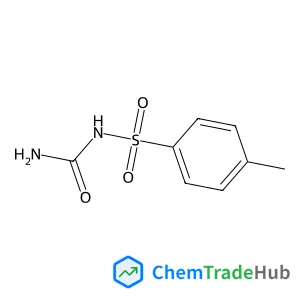
N-Carbamoyl-4-methylbenzenesulfonamide
CAS Number: 1694-06-0
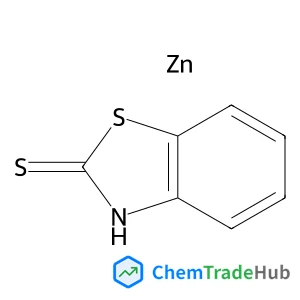
Zinc bis(1,3-benzothiazole-2-thiolate)
CAS Number: 155-04-4
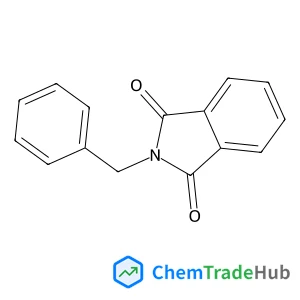
2-Benzyl-1H-isoindole-1,3(2H)-dione
CAS Number: 2142-01-0
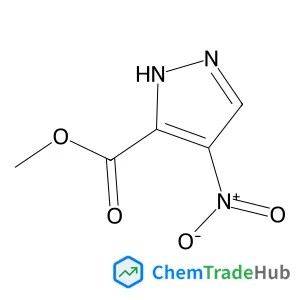
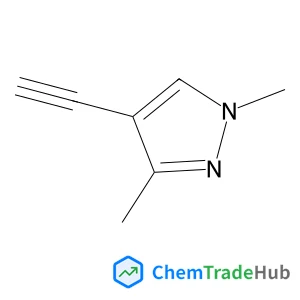
4-Ethynyl-1,3-dimethyl-1H-pyrazole
CAS Number: 61514-53-2
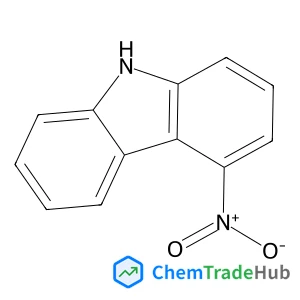
1-Nitro-9H-carbazole
CAS Number: 57905-76-7
Other Suppliers for 2-Chloro-6-fluoro-4(1H)-quinazolinone






Basic Information
Molecular Formula
C8H4ClFN2O
Molecular Weight
198.58 g/mol
Physical Properties
Density
1.61±0.1 g/cm3 (20 ºC 760 Torr)
Chemical Identifiers
SMILES
C1=CC2=C(C=C1F)C(=O)NC(=N2)Cl
InChIKey
CBHYEOLZQCLMSY-UHFFFAOYSA-N
Database References
MDL Number
MFCD11520685
FAQ
2-Chloro-6-fluoro-4(1H)-quinazolinone is a crystalline solid with a molecular weight of approximately 237.04 g/mol. It has a low solubility in water but is soluble in polar organic solvents like DMSO and DMF. The compound is moderately reactive, showing some tendency to undergo substitution reactions. It decomposes above 200°C and is stable under normal laboratory conditions.
2-Chloro-6-fluoro-4(1H)-quinazolinone is typically synthesized via the condensation reaction of 6-fluoroquinazoline with thionyl chloride, followed by removal of the byproduct. This method provides good yield and selectivity. Alternatively, it can be prepared by the reaction of 6-fluoro-4-oxoquinazoline-3-carboxylic acid with chloroform followed by hydrolysis.
2-Chloro-6-fluoro-4(1H)-quinazolinone is primarily used in pharmaceutical research for its potential as an inhibitor of various enzymes. It also finds application in the development of novel materials, particularly in the field of sensors and semiconductors, due to its unique electronic properties.
When handling 2-Chloro-6-fluoro-4(1H)-quinazolinone, it is essential to wear appropriate personal protective equipment (PPE) such as gloves, goggles, and a lab coat. Work in a well-ventilated area or fume hood to minimize inhalation risk. Spills should be cleaned up with appropriate absorbent materials and disposed of according to local regulations. Refer to the Safety Data Sheet (SDS) for detailed handling instructions.
Safety Notice
Please verify product specifications and safety data before use. Contact the supplier for detailed safety information.
Always follow proper handling procedures
Contact Information
jacschem@163.com