



AD
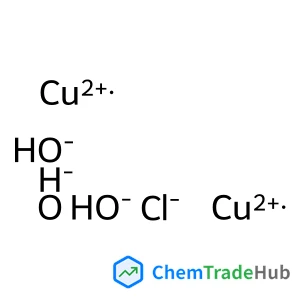
Copper(2+) chloride hydroxide (2:1:3)(CAS: 1332-65-6)
CAS Number
Related Products
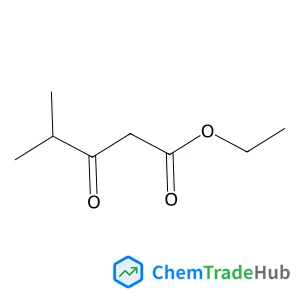
Ethyl 4-methyl-3-oxopentanoate
CAS Number: 7152-15-0
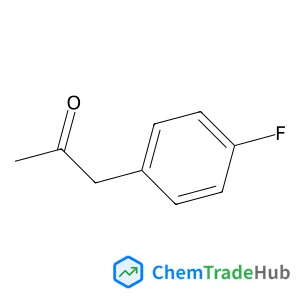
1-(4-Fluorophenyl)acetone
CAS Number: 459-03-0
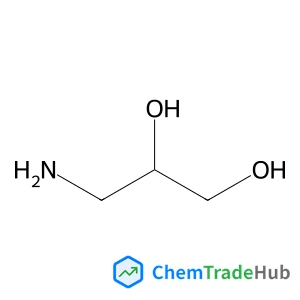
3-Amino-1,2-propanediol
CAS Number: 616-30-8
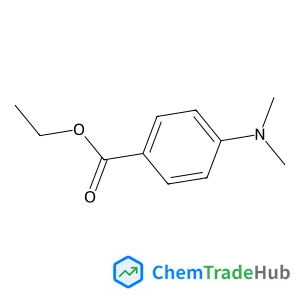
Ethyl 4-(dimethylamino)benzoate
CAS Number: 10287-53-3
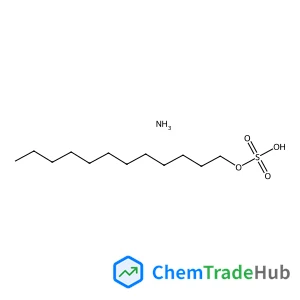
Ammonium dodecyl sulfate
CAS Number: 2235-54-3
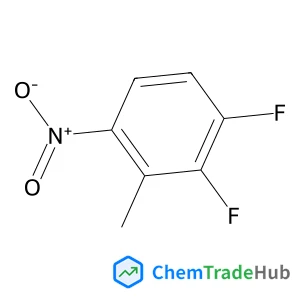
1,2-Difluoro-3-methyl-4-nitrobenzene
CAS Number: 914348-35-9
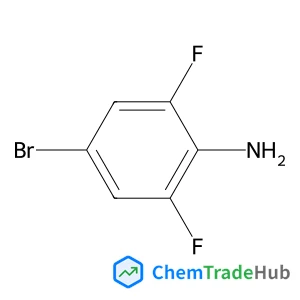
Abemaciclib Impurity 6
CAS Number: 67567-26-4
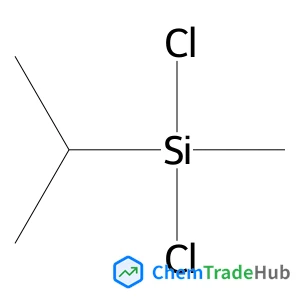
Dichloro(isopropyl)methylsilane
CAS Number: 18236-89-0
Other Suppliers for Copper(2+) chloride hydroxide (2:1:3)




Basic Information
Molecular Formula
H3ClCu2O3
Molecular Weight
150.45 g/mol
EINECS
215-572-9
Physical Properties
Density
3.76-3.78 g/cm3
Water Solubility
insoluble H2O; soluble acid [CRC10]
Chemical Identifiers
SMILES
[OH-].[OH-].[OH-].[Cl-].[Cu+2].[Cu+2]
InChIKey
SKQUUKNCBWILCD-UHFFFAOYSA-J
Database References
MDL Number
MFCD00137350
FAQ
Copper(2+) chloride hydroxide (2:1:3) is a crystalline solid with a molecular weight of approximately 204.7 g/mol. It has limited solubility in water and exhibits basic properties due to the presence of hydroxide ions. The compound is reactive under acidic conditions and can form complexes with various ligands. It dissolves in aqueous solutions to form a greenish-blue solution.
Copper(2+) chloride hydroxide (2:1:3) can be synthesized by slowly adding a solution of copper chloride to a solution of sodium hydroxide while maintaining a basic pH. The reaction is typically carried out in a sealed vessel to prevent the release of hydrogen chloride gas. The yield is usually high, and the product can be isolated by filtration and drying.
Copper(2+) chloride hydroxide (2:1:3) finds applications in various industries. It is used in the pharmaceutical industry as an intermediate in the synthesis of certain drugs. In the polymer industry, it serves as a catalyst for some polymerization reactions. Additionally, it is employed in the production of sensors and semiconductors due to its unique electronic properties.
When handling Copper(2+) chloride hydroxide (2:1:3), appropriate personal protective equipment (PPE) such as gloves, goggles, and a lab coat should be worn. Ensure the work is conducted in a well-ventilated area or a fume hood. Spills should be cleaned up using appropriate spill kits, and the area should be thoroughly rinsed. Always refer to the Safety Data Sheet (SDS) for specific handling and disposal instructions.
Safety Notice
Please verify product specifications and safety data before use. Contact the supplier for detailed safety information.
Always follow proper handling procedures
Contact Information
Contact Person
Yang Qin
1462312301@qq.com