



AD
(2E)-3-(4-Methoxyphenyl)acrylic acid(CAS: 943-89-5)
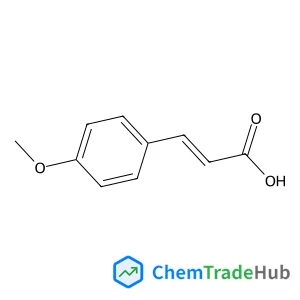
CAS Number
Related Products
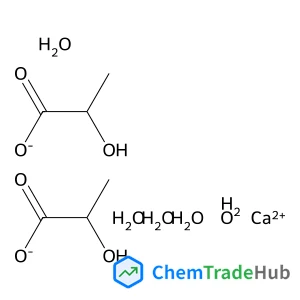
Calcium Lactate Pentahydrate
CAS Number: 5743-47-5
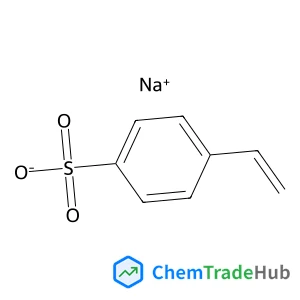
Sodium 4-vinylbenzenesulfonate
CAS Number: 2695-37-6
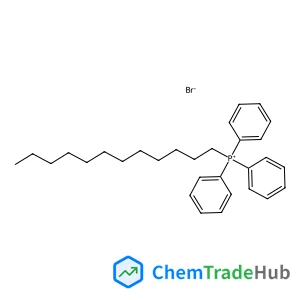
Dodecyl(triphenyl)phosphonium bromide
CAS Number: 15510-55-1
Poly(Propylene Glycol)
CAS Number: 25791-96-2
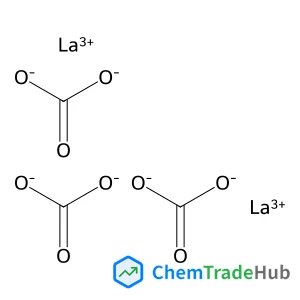
LANTHANUM CARBONATE
CAS Number: 587-26-8
Copper(1+) chloride
CAS Number: 1344-67-8
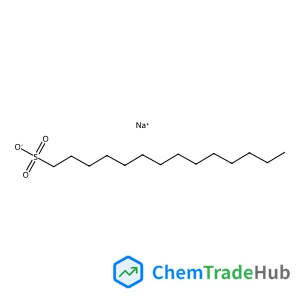
Sodium 1-tetradecanesulfonate
CAS Number: 6994-45-2
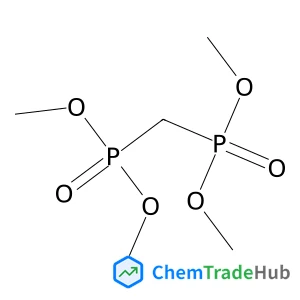
Tetramethyl methylenebis(phosphonate)
CAS Number: 16001-93-7
Other Suppliers for (2E)-3-(4-Methoxyphenyl)acrylic acid






Basic Information
Molecular Formula
C10H10O3
Molecular Weight
178.19 g/mol
Physical Properties
Melting Point
173.5 °C (lit.)
Boiling Point
342.6 °C at 760 mmHg
Density
1.195
Flash Point
138.5 °C
Chemical Identifiers
SMILES
COc1ccc(/C=C/C(=O)O)cc1
InChIKey
AFDXODALSZRGIH-QPJJXVBHSA-N
Database References
MDL Number
MFCD00004398
Beilstein Registry Number
510468
FAQ
(2E)-3-(4-Methoxyphenyl)acrylic acid is a colorless solid with a molecular weight of approximately 198.17 g/mol. It has a pKa of about 3.5 and is slightly soluble in water. It is chemically reactive, particularly towards nucleophiles and bases, and can undergo polymerization under certain conditions.
(2E)-3-(4-Methoxyphenyl)acrylic acid can be synthesized by reacting 4-methoxybenzaldehyde with acrylic anhydride in the presence of a Lewis acid catalyst such as aluminum chloride. The reaction typically proceeds with good yield and selectivity, though careful control of reaction conditions is necessary to avoid side products.
(2E)-3-(4-Methoxyphenyl)acrylic acid is used in the pharmaceutical industry for the synthesis of certain drugs, in the polymer industry as a monomer for polymerization processes, and in the sensor industry for the development of chemical sensors. It is also used in the semiconductor industry for specific applications.
What precautions should be taken when handling (2E)-3-(4-Methoxyphenyl)acrylic acid (CAS: 943-89-5)?
PPE required when handling (2E)-3-(4-Methoxyphenyl)acrylic acid includes gloves, goggles, and a lab coat. The substance should be handled in a fume hood. Spills should be carefully cleaned up using absorbent materials, and the area should be well ventilated. Refer to the Safety Data Sheet (SDS) for detailed information on handling and storage.
Safety Notice
Please verify product specifications and safety data before use. Contact the supplier for detailed safety information.
Always follow proper handling procedures
Contact Information
Contact Person
Manager Shi
1373640151@qq.com