



AD
2,4-Dinitrophenol(CAS: 1326-82-5)
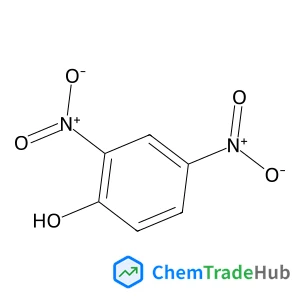
CAS Number
Related Products
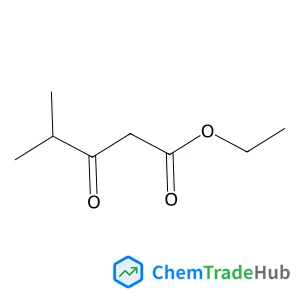
Ethyl 4-methyl-3-oxopentanoate
CAS Number: 7152-15-0
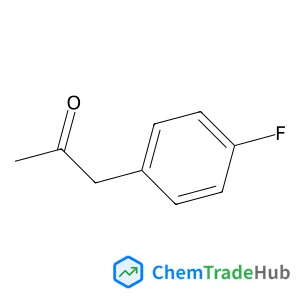
1-(4-Fluorophenyl)acetone
CAS Number: 459-03-0
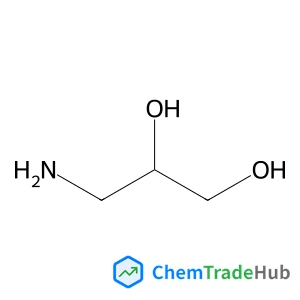
3-Amino-1,2-propanediol
CAS Number: 616-30-8
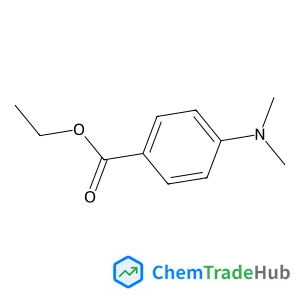
Ethyl 4-(dimethylamino)benzoate
CAS Number: 10287-53-3
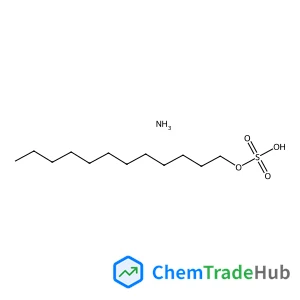
Ammonium dodecyl sulfate
CAS Number: 2235-54-3
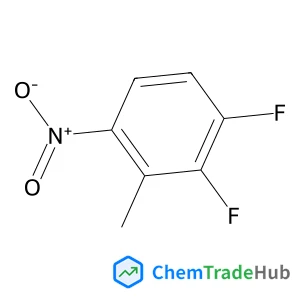
1,2-Difluoro-3-methyl-4-nitrobenzene
CAS Number: 914348-35-9
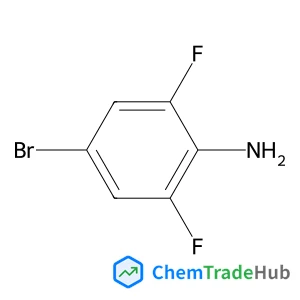
Abemaciclib Impurity 6
CAS Number: 67567-26-4
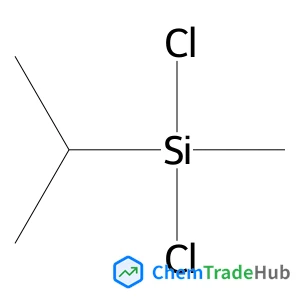
Dichloro(isopropyl)methylsilane
CAS Number: 18236-89-0
Other Suppliers for 2,4-Dinitrophenol






Basic Information
Molecular Formula
C6H4N2O5
Molecular Weight
184.11 g/mol
Physical Properties
Boiling Point
660.3 °C at 760 mmHg
Density
1.87
Flash Point
353.1 °C
Chemical Identifiers
SMILES
C1=CC(=C(C=C1[N+](=O)[O-])[N+](=O)[O-])O
InChIKey
UFBJCMHMOXMLKC-UHFFFAOYSA-N
Database References
FAQ
2,4-Dinitrophenol (CAS: 1326-82-5) falls under the scope of the Globally Harmonized System of Classification and Labelling of Chemicals (GHS) and is classified as a toxic and flammable chemical. In the European Union, it is regulated under REACH for its registration, evaluation, authorization, and restriction. The US Environmental Protection Agency (EPA) and the FDA also have specific guidelines for its handling, storage, and transportation due to its potential health and environmental risks.
Yes, there are several alternatives to 2,4-Dinitrophenol (CAS: 1326-82-5) in synthesis, including 2,4-Dinitrochlorobenzene and 2,4-Dinitrobenzaldehyde. These compounds can serve similar purposes in various reactions and are often used as starting materials in the synthesis of other organic compounds. Additionally, researchers may explore bio-based alternatives and other less toxic reagents as sustainable solutions.
The market for 2,4-Dinitrophenol (CAS: 1326-82-5) has seen a decline due to its toxicity and environmental concerns. However, it remains a key compound in certain industries such as pharmaceuticals, dyes, and pigments. Research trends focus on developing safer alternatives and exploring its applications in less toxic roles. Emerging research also investigates its potential in bioremediation and as a model compound for studying metabolic processes.
Waste containing 2,4-Dinitrophenol (CAS: 1326-82-5) should be handled with caution to prevent environmental contamination and health hazards. Collect waste in appropriate containers, label them properly, and ensure they are stored in a secure, dry location away from heat sources and incompatible materials. For disposal, contact a professional waste management company that specializes in hazardous waste. Incineration under controlled conditions is often preferred, and strict adherence to local and national regulations is essential to ensure safe disposal.
Safety Notice
Please verify product specifications and safety data before use. Contact the supplier for detailed safety information.
Always follow proper handling procedures
Contact Information
Contact Person
Yang Qin
1462312301@qq.com