



AD
4-Chloro-2-methoxyaniline(CAS: 93-50-5)
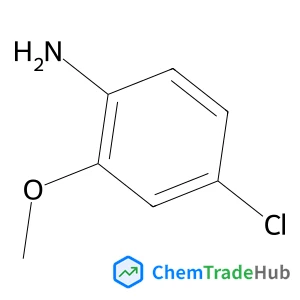
CAS Number
Related Products
amino}butanoic acid](https://static.chemtradehub.com/structs/221/221124-57-8-c784.webp)
![1-Cyclopropyl-8-methyl-7-[5-methyl-6-(methylamino)-3-pyridinyl]-4-oxo-1,4-dihydro-3-quinolinecarboxylic acid](https://static.chemtradehub.com/structs/245/245765-41-7-85ad.webp)
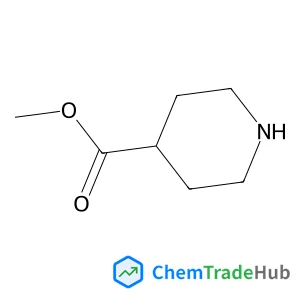
Methyl 4-piperidinecarboxylate
CAS Number: 2971-79-1
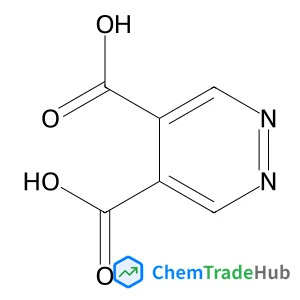
4,5-Pyridazinedicarboxylic acid
CAS Number: 59648-14-5
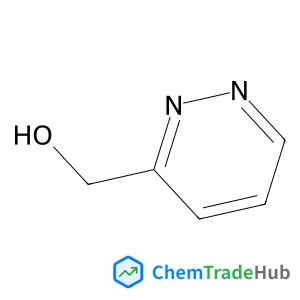
pyridazin-3-ylmethanol
CAS Number: 37444-46-5
![N-[4-(Trifluoromethoxy)phenyl]acetamide](https://static.chemtradehub.com/structs/173/1737-06-0-69aa.webp)
N-[4-(Trifluoromethoxy)phenyl]acetamide
CAS Number: 1737-06-0
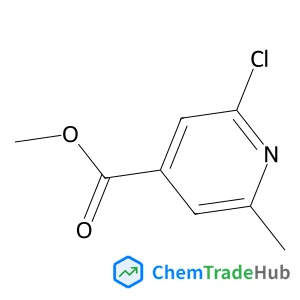
Methyl 2-chloro-6-methylisonicotinate
CAS Number: 3998-90-1
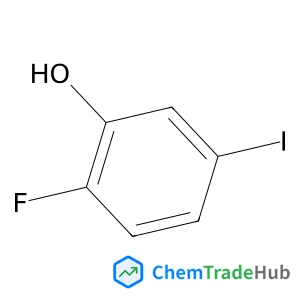
2-Fluoro-5-iodophenol
CAS Number: 186589-89-9
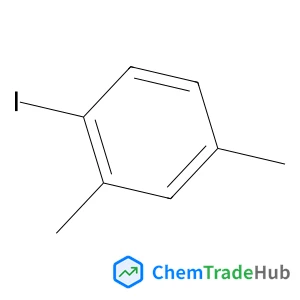
1-Iodo-2,4-dimethylbenzene
CAS Number: 4214-28-2
Other Suppliers for 4-Chloro-2-methoxyaniline


Basic Information
Molecular Formula
C7H8ClNO
Molecular Weight
157.6 g/mol
Physical Properties
Melting Point
52°C
Boiling Point
260°C (rough estimate)
Density
1.1760 (rough estimate)
Chemical Identifiers
SMILES
COC1=C(C=CC(=C1)Cl)N
InChIKey
WOXLPNAOCCIZGP-UHFFFAOYSA-N
Database References
MDL Number
MFCD06801386
FAQ
4-Chloro-2-methoxyaniline (CAS: 93-50-5) is regulated under various guidelines including the Globally Harmonized System of Classification and Labelling of Chemicals (GHS), European Chemicals Agency (ECHA) REACH regulations, and U.S. FDA and EPA requirements. It is classified as a hazardous chemical due to its corrosive and toxic properties. Compliance with these regulations is essential for handling, storage, and disposal to ensure safety and environmental protection.
Alternatives to 4-Chloro-2-methoxyaniline (CAS: 93-50-5) include 4-methoxyaniline and 4-chloroaniline. These compounds can serve as viable substitutes in synthesis depending on the specific reaction conditions and desired product. Using these alternatives can help reduce the risk associated with handling 4-Chloro-2-methoxyaniline.
The market for 4-Chloro-2-methoxyaniline (CAS: 93-50-5) has shown steady demand in the pharmaceutical and dye industries. Research trends focus on exploring its applications in new drug synthesis and as a chemical intermediate. However, due to its hazardous nature, there is a growing trend towards developing safer alternatives and optimizing processes to minimize its use and improve safety standards.
Waste containing 4-Chloro-2-methoxyaniline (CAS: 93-50-5) should be collected and stored in appropriate containers to prevent leaks or spills. It should be handled according to hazardous waste regulations, such as those outlined by the U.S. EPA. Proper incineration or professional waste disposal services should be utilized for safe disposal. Environmental protection precautions, including proper ventilation and personal protective equipment, should be observed to avoid exposure and ensure safety.
Safety Notice
Please verify product specifications and safety data before use. Contact the supplier for detailed safety information.
Always follow proper handling procedures

Contact Information
3007522982@qq.com
Mobile
18117592386
Telephone
021-57481218
Fax
无
Visit Website
https://www.acmec-e.com