



AD
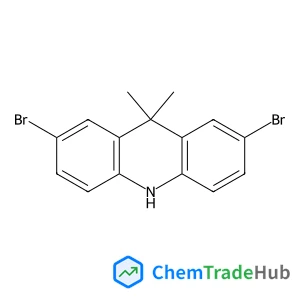
2,7-Dibromo-9,9-dimethyl-9,10-dihydroacridine(CAS: 1333316-35-0)
CAS Number
Related Products
![(2R)-1-[(2-Methyl-2-propanyl)oxy]-1-oxo-3-(tritylsulfanyl)-2-propanaminium chloride](https://static.chemtradehub.com/structs/158/158009-03-1-72f2.webp)
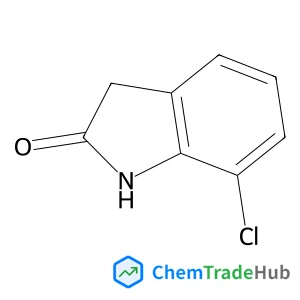
7-Chloro-1,3-dihydro-2H-indol-2-one
CAS Number: 25369-33-9
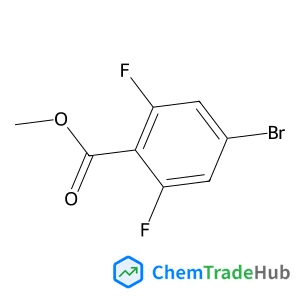
Methyl 4-bromo-2,6-difluorobenzoate
CAS Number: 773134-11-5
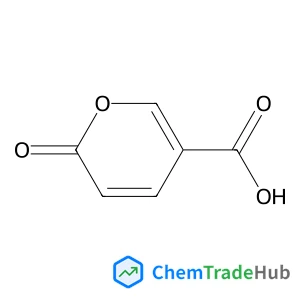
2-Oxo-2H-pyran-5-carboxylic acid
CAS Number: 500-05-0
![5-Bromo-1H-pyrrolo[2,3-b]pyridin-6-amine](https://static.chemtradehub.com/structs/119/1190322-18-9-0a9f.webp)
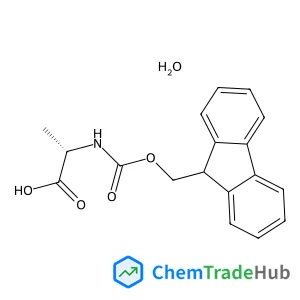
N-Fmoc-L-alanine Hydrate
CAS Number: 207291-76-7
Other Suppliers for 2,7-Dibromo-9,9-dimethyl-9,10-dihydroacridine






Basic Information
Molecular Formula
C15H13Br2N
Molecular Weight
367.08 g/mol
Chemical Identifiers
SMILES
CC1(C2=C(C=CC(=C2)Br)NC3=C1C=C(C=C3)Br)C
InChIKey
OJDIPHRGWNTBOO-UHFFFAOYSA-N
Database References
MDL Number
MFCD26402967
FAQ
The compound 2,7-Dibromo-9,9-dimethyl-9,10-dihydroacridine (CAS: 1333316-35-0) is subject to various regulatory guidelines. It is classified under the Globally Harmonized System of Classification and Labelling of Chemicals (GHS) as a hazardous substance. In the European Union, it falls under the Registration, Evaluation, Authorisation and Restriction of Chemicals (REACH) regulation. Additionally, the U.S. Food and Drug Administration (FDA) and Environmental Protection Agency (EPA) have specific requirements for handling and disposal of this compound to ensure safety and environmental protection.
In the synthesis of organic compounds, several alternatives to 2,7-Dibromo-9,9-dimethyl-9,10-dihydroacridine (CAS: 1333316-35-0) can be considered. Common substitutes include brominated analogs with different functional groups or 9,9-dimethylacridine derivatives. These alternatives can offer similar reactivity or can be easier to synthesize and handle, depending on the specific application and desired properties.
The market and research trends for 2,7-Dibromo-9,9-dimethyl-9,10-dihydroacridine (CAS: 1333316-35-0) are closely tied to its unique chemical properties and potential applications. Research is focusing on its use in organic synthesis, particularly in the modification of polymers and as a precursor in the development of new materials. Market demand shows a steady increase due to its use in advanced materials and pharmaceuticals, with ongoing studies exploring its potential in biotechnology and drug discovery.
Handling waste containing 2,7-Dibromo-9,9-dimethyl-9,10-dihydroacridine (CAS: 1333316-35-0) requires careful attention to ensure safety and environmental protection. Waste should be collected in appropriate containers and stored separately to prevent contamination. Incineration is a common method for disposal, but professional waste disposal services are recommended. Environmental precautions include proper labeling, minimizing exposure, and following local hazardous waste regulations to ensure compliance with environmental protection standards.
Safety Notice
Please verify product specifications and safety data before use. Contact the supplier for detailed safety information.
Always follow proper handling procedures

Contact Information
Contact Person
Leyan
product@leyan.com
Mobile
13525454349
Visit Website
https://www.leyan.com/Address
No. 3, Block 1999, Zhangheng Road, China (Shanghai) Free Trade Zone