



AD
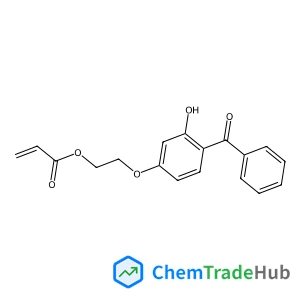
2-(4-Benzoyl-3-hydroxyphenoxy)ethyl acrylate(CAS: 16432-81-8)
CAS Number
Related Products
![6-[(4-Aminobutyl)(ethyl)amino]-2,3-dihydro-1,4-phthalazinedione](https://static.chemtradehub.com/structs/666/66612-29-1-515b.webp)
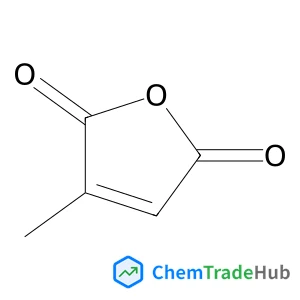
3-Methyl-2,5-furandione
CAS Number: 616-02-4
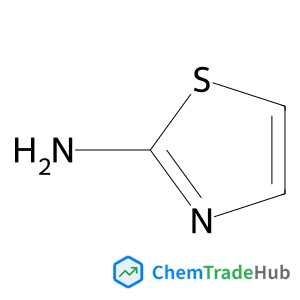
2-Aminothiazole
CAS Number: 96-50-4
![Sodium [dodecanoyl(methyl)amino]acetate](https://static.chemtradehub.com/structs/137/137-16-6-9113.webp)
Sodium [dodecanoyl(methyl)amino]acetate
CAS Number: 137-16-6
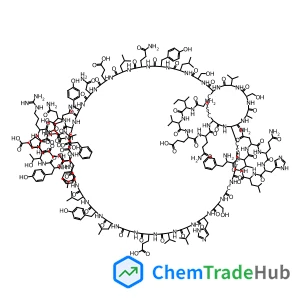
CID 16131099
CAS Number: 11070-73-8
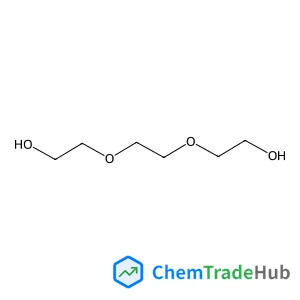
PEG300
CAS Number: 25322-68-3
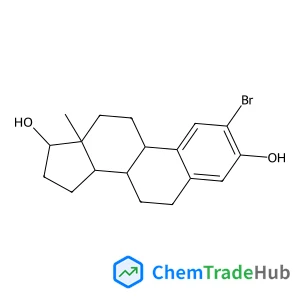
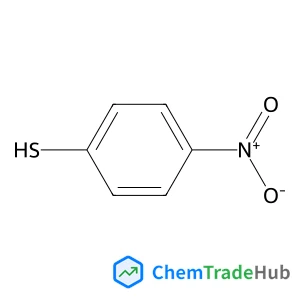
4-Nitrobenzenethiol
CAS Number: 1849-36-1
Other Suppliers for 2-(4-Benzoyl-3-hydroxyphenoxy)ethyl acrylate






Basic Information
Molecular Formula
C18H16O5
Molecular Weight
312.32 g/mol
Physical Properties
Melting Point
77-80 °C (lit.)
Boiling Point
480.5°C at 760 mmHg
Density
1.226
Flash Point
173.7 °C
Chemical Identifiers
SMILES
C=CC(=O)OCCOC1=CC(=C(C=C1)C(=O)C2=CC=CC=C2)O
InChIKey
NMMXJQKTXREVGN-UHFFFAOYSA-N
Database References
MDL Number
MFCD00081133
FAQ
2-(4-Benzoyl-3-hydroxyphenoxy)ethyl acrylate (CAS: 16432-81-8) is a colorless to pale yellow liquid with a molecular weight of approximately 296.3 g/mol. It has a pKa of about 4.5 and is poorly soluble in water but highly soluble in organic solvents such as ethanol and acetone. This compound exhibits moderate reactivity, particularly in ester and acrylate functionalities, making it suitable for polymerization and other chemical reactions.
2-(4-Benzoyl-3-hydroxyphenoxy)ethyl acrylate (CAS: 16432-81-8) is synthesized through the condensation of acryloyl chloride with 4-benzoyl-3-hydroxyphenol. This reaction is catalyzed by a Lewis acid such as aluminum trichloride and typically proceeds with good yield. The compound can also be prepared by the acrylation of 4-benzoyl-3-hydroxyphenol with acrylic anhydride in the presence of a base like pyridine.
2-(4-Benzoyl-3-hydroxyphenoxy)ethyl acrylate (CAS: 16432-81-8) is primarily used in the polymer industry for the synthesis of functionalized polymers. It is also employed in the pharmaceutical sector for the development of drug delivery systems and in the production of reactive monomers for coatings and adhesives. Additionally, it finds applications in the production of sensors and semiconductors due to its unique chemical properties.
When handling 2-(4-Benzoyl-3-hydroxyphenoxy)ethyl acrylate (CAS: 16432-81-8), it is important to wear appropriate personal protective equipment (PPE) including safety glasses, gloves, and a lab coat. This compound should be used in a well-ventilated area or under a fume hood due to its reactivity and potential for inhalation hazards. Spills should be cleaned up using appropriate absorbents and reported to the safety department. Always refer to the Material Safety Data Sheet (MSDS) for detailed handling and disposal information.
Safety Notice
Please verify product specifications and safety data before use. Contact the supplier for detailed safety information.
Always follow proper handling procedures
Contact Information
sales@yacoo.com.cn