



AD
L-Homoserine(CAS: 672-15-1)
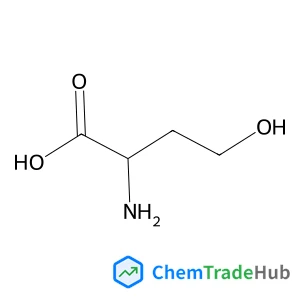
CAS Number
Related Products
![[3-(2-Hydroxyethyl)phenyl]boronic acid](https://static.chemtradehub.com/structs/647/647853-32-5-c363.webp)
![N-(Butylsulfonyl)-O-[4-(4-piperidinyl)butyl]-L-tyrosine hydrochloride hydrate](https://static.chemtradehub.com/structs/150/150915-40-5-1679.webp)
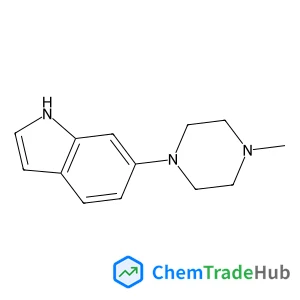
6-(4-methylpiperazin-1-yl)-1H-indole
CAS Number: 321745-04-4
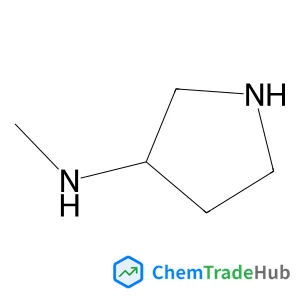
N-Methyl-3-pyrrolidinamine
CAS Number: 83030-08-4
![2-Chloro-N-[4-chloro-3-(2-pyridinyl)phenyl]-4-(methylsulfonyl)benzamide](https://static.chemtradehub.com/structs/879/879085-55-9-5abe.webp)
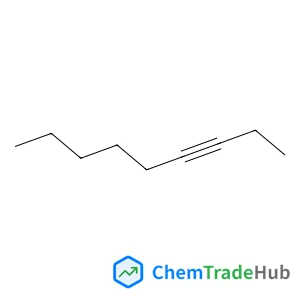
3-Nonyne
CAS Number: 20184-89-8
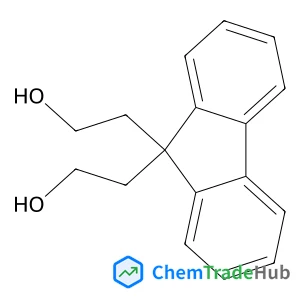
2,2'-(9H-fluorene-9,9-diyl)diethanol
CAS Number: 203070-78-4
![1,4-Dioxaspiro[4.5]dec-8-ylacetic acid](https://static.chemtradehub.com/structs/134/134136-04-2-8def.webp)
Other Suppliers for L-Homoserine



Basic Information
Molecular Formula
C4H9NO3
Molecular Weight
119.12 g/mol
Physical State
White to Yellow Solid
Physical Properties
Melting Point
203 °C (dec.) (lit.)
Boiling Point
368.7°C at 760 mmHg
Density
1.3126 (rough estimate)
Flash Point
176.8℃
Water Solubility
1100 g/L (30 ºC)
Chemical Identifiers
SMILES
C(CO)C(C(=O)O)N
InChIKey
UKAUYVFTDYCKQA-VKHMYHEASA-N
Database References
MDL Number
MFCD00063090
Beilstein Registry Number
1721681
FAQ
L-Homoserine is a non-proteinogenic amino acid with the chemical formula C5H11NO3. It is a white crystalline solid, highly soluble in water, and exhibits a pungent odor. This compound plays a key role in biochemical pathways, particularly in the biosynthesis of methionine and cysteine. Its structure is similar to serine but includes an additional methyl group, making it a valuable intermediate in organic chemistry and biotechnology.
L-Homoserine is primarily used in pharmaceuticals as a precursor for antibiotics like thiamine (vitamin B1) and in the synthesis of other amino acids. In the food industry, it serves as a nutritional supplement and is involved in microbial fermentation processes. It is also utilized in biotech research for studying metabolic engineering and amino acid biosynthesis. Additionally, it finds applications in the production of chiral compounds and as a building block for agricultural chemicals.
L-Homoserine is generally considered safe when handled properly, with low toxicity in normal use. However, direct contact with skin or inhalation may cause irritation. Safety guidelines recommend wearing protective gloves, goggles, and ensuring adequate ventilation. It is classified under OSHA standards for chemical safety, and long-term exposure should be minimized to avoid potential health risks. Always follow standard laboratory safety protocols when working with this compound.
L-Homoserine should be stored in a cool, dry place (ideally below 25°C), away from direct light, and in airtight containers to prevent moisture absorption. It is sensitive to humidity and should be kept in a controlled environment to maintain stability. Storage in glass or HDPE containers is recommended, and the area should be free from strong odors or reactive substances. Proper labeling and storage conditions are essential to ensure safety and longevity.
Safety Notice
Please verify product specifications and safety data before use. Contact the supplier for detailed safety information.
Always follow proper handling procedures

Contact Information
Contact Person
Miss Xu
1986399151@qq.com
Mobile
15221998634
Telephone
021-59178156
Visit Website
https://www.yingxinbio.com/Address
Yugang Town Yiling Road 258 Lane C Zone