



AD
2,6-Dimethoxypyrazine(CAS: 4774-15-6)
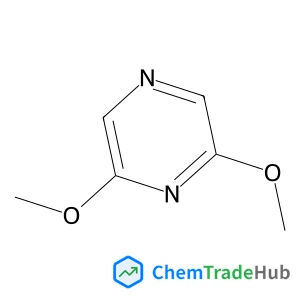
CAS Number
Related Products
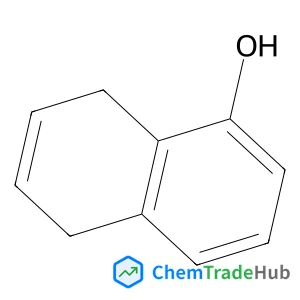
5,8-Dihydro-1-naphthalenol
CAS Number: 27673-48-9
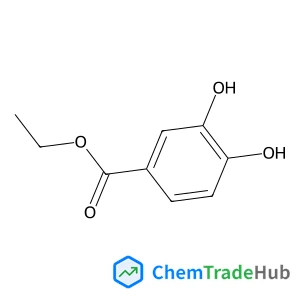
Ethyl 3,4-dihydroxybenzoate
CAS Number: 3943-89-3

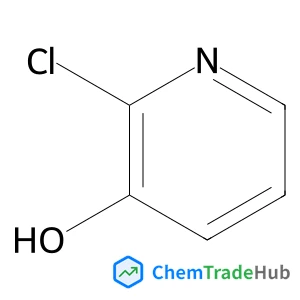
2-Chloro-3-pyridinol
CAS Number: 6636-78-8
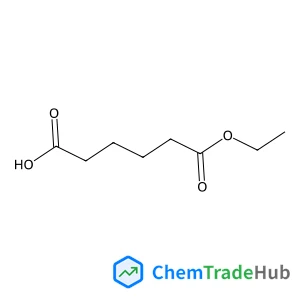
Adipic Acid Monoethyl Ester
CAS Number: 626-86-8
![6,6-dimethyl-3-oxabicyclo[3.1.0]hexane-2,4-dione](https://static.chemtradehub.com/structs/679/67911-21-1-51f5.webp)
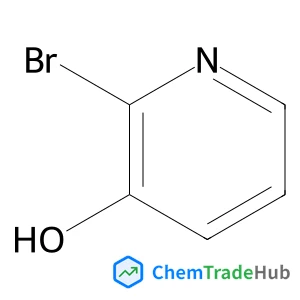
2-Bromo-3-pyridinol
CAS Number: 6602-32-0

Other Suppliers for 2,6-Dimethoxypyrazine




Basic Information
Molecular Formula
C6H8N2O2
Molecular Weight
140.14 g/mol
Physical Properties
Boiling Point
184.8°C at 760 mmHg
Flash Point
65.718°C
Chemical Identifiers
SMILES
COC1=CN=CC(=N1)OC
InChIKey
FCLZSYLOQPRJMS-UHFFFAOYSA-N
Database References
MDL Number
MFCD00955843
FAQ
2,6-Dimethoxypyrazine is a crystalline compound with a molecular weight of approximately 144.15 g/mol. It has a low solubility in water (0.05 g/100 mL at 25°C) and higher solubility in organic solvents such as ethanol and acetone. It is moderately reactive with strong acids and bases. This compound is known for its distinct, earthy, and smoky aroma, making it a key ingredient in the flavoring of various food and beverage products.
2,6-Dimethoxypyrazine can be synthesized through the reaction of 2-methoxy-6-nitropyridine with stannous chloride in an aqueous solvent. The nitro group is reduced to an amino group, followed by the addition of methanol to form the dimethoxy derivative. This method provides good selectivity and yield, with the final product purified by recrystallization.
2,6-Dimethoxypyrazine is widely used in the food and beverage industry for flavoring products, particularly in the production of coffee, chocolate, and tobacco flavors. It also has applications in the fragrance industry for perfumes and personal care products. Additionally, it is used in analytical chemistry for sensor development and as a reference compound in the pharmaceutical industry for certain drug formulations.
When handling 2,6-Dimethoxypyrazine, it is important to use appropriate personal protective equipment (PPE) such as gloves, goggles, and lab coats. Work should be conducted in a fume hood to minimize inhalation risks. Spills should be cleaned up carefully using appropriate absorbents, and the area should be well-ventilated. Safety data sheets (SDS) should be consulted for detailed handling and disposal instructions.
Safety Notice
Please verify product specifications and safety data before use. Contact the supplier for detailed safety information.
Always follow proper handling procedures
Contact Information
Contact Person
Xue Xiaoping