



AD
2-Naphthylhydrazine hydrochloride (1:1)(CAS: 2243-58-5)
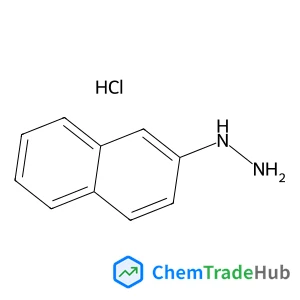
CAS Number
Related Products
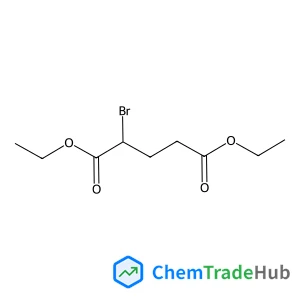
Diethyl 2-bromopentanedioate
CAS Number: 7209-00-9
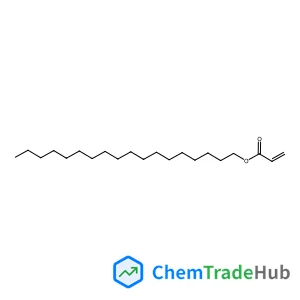
Octadecyl acrylate
CAS Number: 4813-57-4
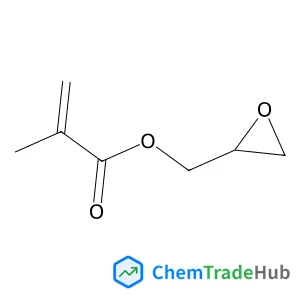
2-Oxiranylmethyl methacrylate
CAS Number: 106-91-2
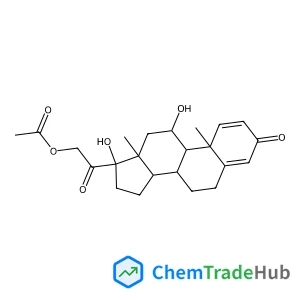
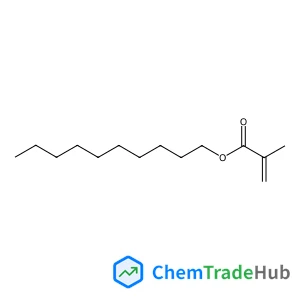
Decyl methacrylate
CAS Number: 3179-47-3

3-Chloro-2,6-difluoropyridine
CAS Number: 52208-56-7
![(1R,2R,4S)-1,7,7-Trimethylbicyclo[2.2.1]hept-2-yl methacrylate](https://static.chemtradehub.com/structs/753/7534-94-3-fab5.webp)
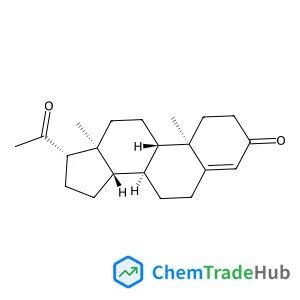
Pregn-4-ene-3,20-dione
CAS Number: 57-83-0
Other Suppliers for 2-Naphthylhydrazine hydrochloride (1:1)







Basic Information
Molecular Formula
C10H11ClN2
Molecular Weight
194.67 g/mol
Physical Properties
Melting Point
123 ºC
Boiling Point
362.9°C at 760 mmHg
Chemical Identifiers
SMILES
C1=CC=C2C=C(C=CC2=C1)NN.Cl
InChIKey
OXOQKRNEPBHINU-UHFFFAOYSA-N
Database References
MDL Number
MFCD04109481
FAQ
What are the physical and chemical properties of 2-Naphthylhydrazine hydrochloride (CAS: 2243-58-5)?
2-Naphthylhydrazine hydrochloride (CAS: 2243-58-5) is a crystalline solid with a molecular weight of approximately 239.7 g/mol. It is slightly soluble in water and more soluble in organic solvents. The compound is known for its reactivity, particularly in condensation reactions and as a reducing agent in organic synthesis. It is used in various applications requiring controlled reactivity.
2-Naphthylhydrazine hydrochloride (CAS: 2243-58-5) is typically synthesized by the reaction of 2-naphthylhydrazine with hydrochloric acid. This process involves the formation of the salt form, which enhances solubility and stability. The synthesis is carried out under mild conditions, with high selectivity and yield.
2-Naphthylhydrazine hydrochloride (CAS: 2243-58-5) is used in several industries, including pharmaceuticals, where it serves as an intermediate in the synthesis of drugs; polymers, where it can act as a reducing agent; sensors, where its reactivity is utilized in detection processes; and semiconductors, where it is involved in the fabrication of devices due to its unique electronic properties.
When handling 2-Naphthylhydrazine hydrochloride (CAS: 2243-58-5), it is essential to use personal protective equipment (PPE) such as gloves, safety goggles, and a lab coat. Work should be conducted in a fume hood to minimize inhalation risks. Spills should be handled with appropriate absorbent materials and disposed of according to local regulations. Always refer to the Safety Data Sheet (SDS) for comprehensive safety guidelines.
Safety Notice
Please verify product specifications and safety data before use. Contact the supplier for detailed safety information.
Always follow proper handling procedures
Contact Information
Contact Person
Zhang Songjie
shxc7755@163.com