



AD
2-Chloromethyl-4-methoxy-3-methylpyridine(CAS: 124473-12-7)
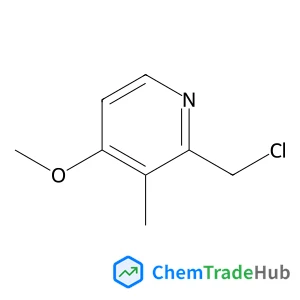
CAS Number
Related Products
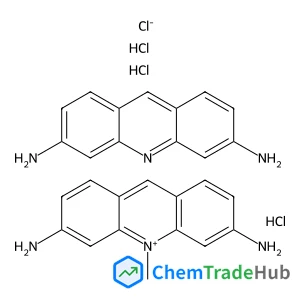
Acriflavine Hydrochloride (>90%)
CAS Number: 8063-24-9
![6-Bromo-2-chloro-8-cyclopentyl-5-methylpyrido[2,3-d]pyrimidin-7(8H)-one](https://static.chemtradehub.com/structs/101/1016636-76-2-8005.webp)
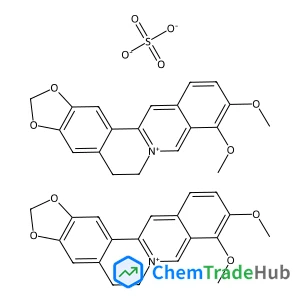
Berberine Sulfate
CAS Number: 316-41-6
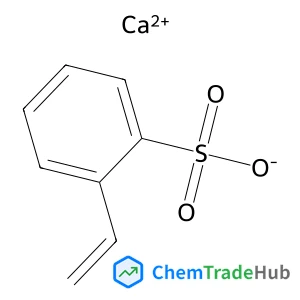
Calcium polystyrene sulfonate
CAS Number: 37286-92-3
![N-[(1R)-1-(Dihydroxyboryl)-3-methylbutyl]-Nalpha-(2-pyrazinylcarbonyl)-L-phenylalaninamide](https://static.chemtradehub.com/structs/179/179324-69-7-701f.webp)

![N-(5-Chloro-2-pyridinyl)-N'-[(1S,2R,4S)-4-(dimethylcarbamoyl)-2-{[(5-methyl-4,5,6,7-tetrahydro[1,3]thiazolo[5,4-c]pyridin-2-yl)carbonyl]amino}cyclohexyl]ethanediamide 4-methylbenzenesulfonate hydrate
(1:1:1)](https://static.chemtradehub.com/structs/122/1229194-11-9-a55a.webp)
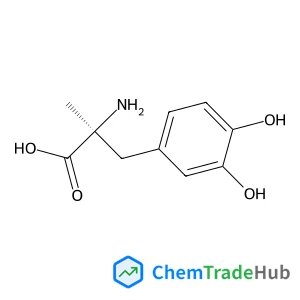
3-Hydroxy-alpha-methyl-L-tyrosine
CAS Number: 555-30-6
Other Suppliers for 2-Chloromethyl-4-methoxy-3-methylpyridine





Basic Information
Molecular Formula
C8H10ClNO
Molecular Weight
171.63 g/mol
Chemical Identifiers
SMILES
CC1=C(C=CN=C1CCl)OC
InChIKey
UIRCDHHEYPUZGA-UHFFFAOYSA-N
Database References
MDL Number
MFCD09859667
FAQ
2-Chloromethyl-4-methoxy-3-methylpyridine (CAS: 124473-12-7) is a crystalline compound with a molecular weight of 244.64 g/mol. It has a melting point of 51-53°C and a boiling point of 268°C. The compound is sparingly soluble in water but has good solubility in organic solvents like ethanol and acetone. It exhibits moderate reactivity, particularly with nucleophiles and electrophiles. Chemically, it is susceptible to cleavage at the chlorine and oxygen functionalities.
2-Chloromethyl-4-methoxy-3-methylpyridine (CAS: 124473-12-7) is typically synthesized via the reaction of 4-methoxy-3-methylpyridine with chlorine gas in the presence of a Lewis acid catalyst such as aluminum chloride. The reaction proceeds selectively, yielding a high yield of the desired product. The process is optimized for high selectivity and yield, making it a reliable method for industrial production.
2-Chloromethyl-4-methoxy-3-methylpyridine (CAS: 124473-12-7) is primarily used in the pharmaceutical industry for the synthesis of various drug candidates due to its functional groups which can be derivatized for medicinal purposes. It is also used in the polymer industry for modifying materials and in the electronic industry for sensor applications where specific chemical functionalities are required.
When handling 2-Chloromethyl-4-methoxy-3-methylpyridine (CAS: 124473-12-7), it is important to wear appropriate personal protective equipment (PPE), including gloves, safety glasses, and a lab coat. This compound should be handled in a well-ventilated area or fume hood due to its volatility. Spills should be contained and cleaned up using appropriate absorbent materials. Always consult the Material Safety Data Sheet (MSDS) for specific handling and disposal instructions to ensure safety and compliance with regulations.
Safety Notice
Please verify product specifications and safety data before use. Contact the supplier for detailed safety information.
Always follow proper handling procedures
Contact Information
Contact Person
Tang Jun
18827677254@163.com