



AD
Trioctylphosphine oxide(CAS: 78-50-2)
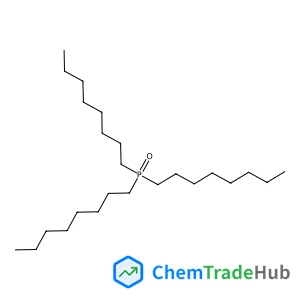
CAS Number
Related Products
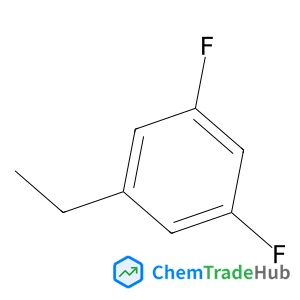
1-Ethyl-3,5-difluorobenzene
CAS Number: 117358-52-8
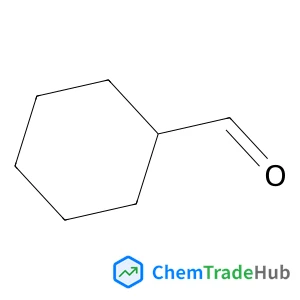
Cyclohexanecarbaldehyde
CAS Number: 2043-61-0
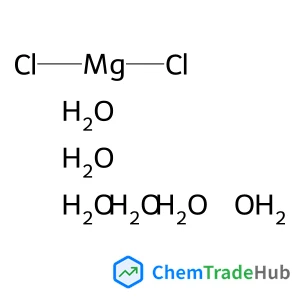
Dichloromagnesium hexahydrate
CAS Number: 7791-18-6
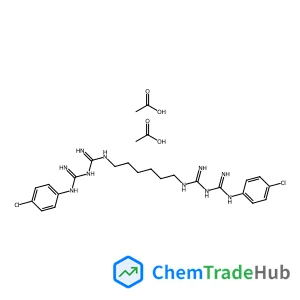
Chlorhexidine diacetate
CAS Number: 56-95-1
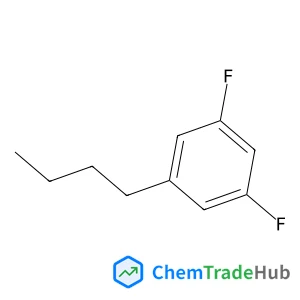
1-Butyl-3,5-difluorobenzene
CAS Number: 1245649-46-0
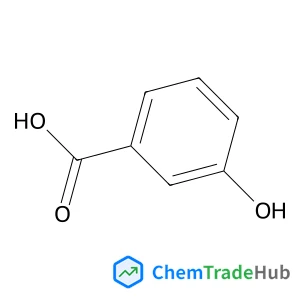
3-Hydroxybenzoic acid
CAS Number: 99-06-9
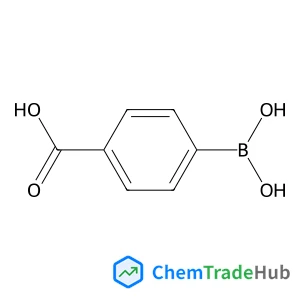
4-(Dihydroxyboryl)benzoic acid
CAS Number: 14047-29-1
Other Suppliers for Trioctylphosphine oxide








Basic Information
Molecular Formula
C24H51OP
Molecular Weight
386.6 g/mol
Physical Properties
Melting Point
50-52 °C (lit.)
Boiling Point
201-202 °C/2 mmHg(lit.)
Density
0,88 g/cm3
Chemical Identifiers
SMILES
CCCCCCCCP(=O)(CCCCCCCC)CCCCCCCC
InChIKey
ZMBHCYHQLYEYDV-UHFFFAOYSA-N
Database References
MDL Number
MFCD00002083
Beilstein Registry Number
1796648
FAQ
Trioctylphosphine oxide (TOPO, CAS: 78-50-2) is a colorless to slightly yellow oily liquid. It has a molecular weight of approximately 382.51 g/mol and is soluble in organic solvents like methanol, ethanol, and acetone. It is slightly reactive with strong oxidizing agents and basic reagents. Its high solubility and thermal stability make it useful in various chemical applications.
Trioctylphosphine oxide (TOPO, CAS: 78-50-2) is synthesized by the reaction of trioctylphosphine with hydrogen peroxide in the presence of a base catalyst such as potassium hydroxide. The synthetic process involves careful control of pH and temperature to achieve high yield and selectivity. This method is widely used in the preparation of TOPO for various applications.
Trioctylphosphine oxide (TOPO, CAS: 78-50-2) is extensively used in the pharmaceutical, polymer, and semiconductor industries. It serves as a solvent, a reagent in organic synthesis, and a modifier in the preparation of metal organic frameworks. Additionally, it is utilized in the production of sensors and as a surfactant in certain applications.
When handling Trioctylphosphine oxide (TOPO, CAS: 78-50-2), it is important to wear appropriate personal protective equipment (PPE) such as gloves, goggles, and a lab coat. Work should be conducted in a well-ventilated area or a fume hood to minimize inhalation risks. Spills should be cleaned up immediately using appropriate absorbents and disposed of according to local regulations. Always refer to the Safety Data Sheet (SDS) for detailed handling and storage guidelines.
Safety Notice
Please verify product specifications and safety data before use. Contact the supplier for detailed safety information.
Always follow proper handling procedures

Contact Information
2148395145@qq.com
Mobile
17717569696
Telephone
021-37122200
Fax
021-37122266
Visit Website
http://www.ditaochem.com/