



AD
5-(2-Iodophenyl)-1H-tetrazole(CAS: 73096-40-9)
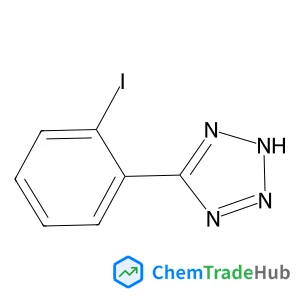
CAS Number
Related Products
![[3-(2-Hydroxyethyl)phenyl]boronic acid](https://static.chemtradehub.com/structs/647/647853-32-5-c363.webp)
![N-(Butylsulfonyl)-O-[4-(4-piperidinyl)butyl]-L-tyrosine hydrochloride hydrate](https://static.chemtradehub.com/structs/150/150915-40-5-1679.webp)
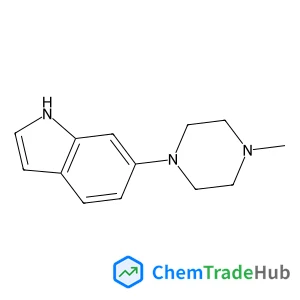
6-(4-methylpiperazin-1-yl)-1H-indole
CAS Number: 321745-04-4
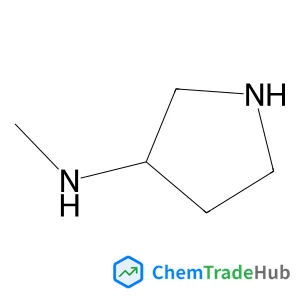
N-Methyl-3-pyrrolidinamine
CAS Number: 83030-08-4
![2-Chloro-N-[4-chloro-3-(2-pyridinyl)phenyl]-4-(methylsulfonyl)benzamide](https://static.chemtradehub.com/structs/879/879085-55-9-5abe.webp)

3-Nonyne
CAS Number: 20184-89-8
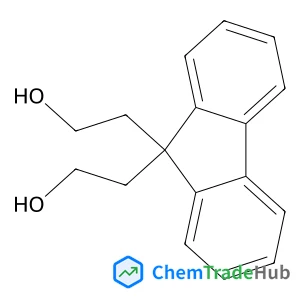
2,2'-(9H-fluorene-9,9-diyl)diethanol
CAS Number: 203070-78-4

![1,4-Dioxaspiro[4.5]dec-8-ylacetic acid](https://static.chemtradehub.com/structs/134/134136-04-2-8def.webp)
Other Suppliers for 5-(2-Iodophenyl)-1H-tetrazole





Basic Information
Molecular Formula
C7H5IN4
Molecular Weight
272.05 g/mol
Physical Properties
Boiling Point
403.187°C at 760 mmHg
Density
2.018
Flash Point
197.64°C
Chemical Identifiers
SMILES
C1=CC=C(C(=C1)C2=NNN=N2)I
InChIKey
BISBCDUUTDMGBR-UHFFFAOYSA-N
Database References
MDL Number
MFCD07779116
FAQ
5-(2-Iodophenyl)-1H-tetrazole (CAS: 73096-40-9) is regulated under the Globally Harmonized System (GHS) for classification as a hazardous chemical. It falls under the category of organic compounds with potential health and environmental hazards. Additionally, it is subject to REACH regulations in the EU, which require registration for substances above a certain tonnage threshold. In the USA, it must comply with FDA and EPA requirements for chemical safety and environmental protection.
Alternatives to 5-(2-Iodophenyl)-1H-tetrazole (CAS: 73096-40-9) include various tetrazoles with different substituents, such as 5-phenyltetrazole and 5-bromophenyltetrazole. These alternatives can serve similar roles in synthesis, particularly in applications requiring iodine functionality. Other common reagents like phenylsulfonamide can also be used as precursors in the synthesis of similar compounds.
The market for 5-(2-Iodophenyl)-1H-tetrazole (CAS: 73096-40-9) is influenced by its use in pharmaceuticals, materials science, and fine chemistry. Research trends are shifting towards exploring its potential in drug discovery, particularly in anti-inflammatory and antiviral applications. Additionally, there is growing interest in its applications in developing novel materials and sensors. Market trends suggest increasing demand due to its unique properties.
Waste containing 5-(2-Iodophenyl)-1H-tetrazole (CAS: 73096-40-9) should be collected in appropriate containers and stored separately. It should be neutralized if necessary to reduce its reactivity. Professional incineration methods or chemical disposal services should be used for disposal. Environmental protection precautions include ensuring that all handling and disposal procedures comply with local and international regulations to minimize environmental impact.
Safety Notice
Please verify product specifications and safety data before use. Contact the supplier for detailed safety information.
Always follow proper handling procedures

Contact Information
Contact Person
Miss Xu
1986399151@qq.com
Mobile
15221998634
Telephone
021-59178156
Visit Website
https://www.yingxinbio.com/Address
Yugang Town Yiling Road 258 Lane C Zone