



AD
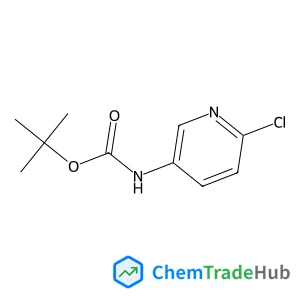
2-Methyl-2-propanyl (6-chloro-3-pyridinyl)carbamate(CAS: 171178-45-3)
CAS Number
Related Products
![[3-(2-Hydroxyethyl)phenyl]boronic acid](https://static.chemtradehub.com/structs/647/647853-32-5-c363.webp)
![N-(Butylsulfonyl)-O-[4-(4-piperidinyl)butyl]-L-tyrosine hydrochloride hydrate](https://static.chemtradehub.com/structs/150/150915-40-5-1679.webp)
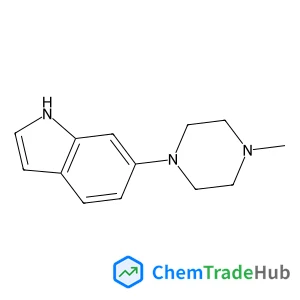
6-(4-methylpiperazin-1-yl)-1H-indole
CAS Number: 321745-04-4
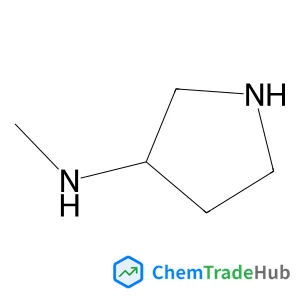
N-Methyl-3-pyrrolidinamine
CAS Number: 83030-08-4
![2-Chloro-N-[4-chloro-3-(2-pyridinyl)phenyl]-4-(methylsulfonyl)benzamide](https://static.chemtradehub.com/structs/879/879085-55-9-5abe.webp)
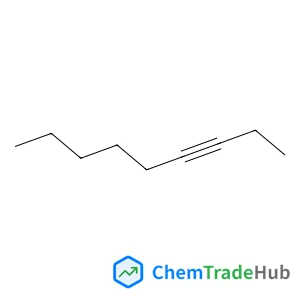
3-Nonyne
CAS Number: 20184-89-8
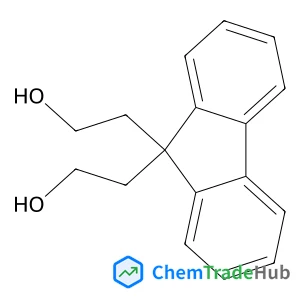
2,2'-(9H-fluorene-9,9-diyl)diethanol
CAS Number: 203070-78-4
![1,4-Dioxaspiro[4.5]dec-8-ylacetic acid](https://static.chemtradehub.com/structs/134/134136-04-2-8def.webp)
Other Suppliers for 2-Methyl-2-propanyl (6-chloro-3-pyridinyl)carbamate





Basic Information
Molecular Formula
C10H13ClN2O2
Molecular Weight
228.68 g/mol
Physical Properties
Melting Point
127-129°C
Boiling Point
283.7°C at 760 mmHg
Chemical Identifiers
SMILES
CC(C)(C)OC(=O)NC1=CN=C(C=C1)Cl
InChIKey
IRHNQVINMHHEIO-UHFFFAOYSA-N
Database References
MDL Number
MFCD08062421
FAQ
2-Methyl-2-propanyl (6-chloro-3-pyridinyl)carbamate is a crystalline solid with a molecular weight of approximately 258.04 g/mol. It has a low solubility in water but is soluble in organic solvents such as methanol and acetonitrile. This compound is reactive towards strong acids and bases and can undergo hydrolysis. It is stable under normal storage conditions but should be kept away from moisture and strong oxidizing agents.
How is 2-Methyl-2-propanyl (6-chloro-3-pyridinyl)carbamate (CAS: 171178-45-3) typically synthesized?
2-Methyl-2-propanyl (6-chloro-3-pyridinyl)carbamate is typically synthesized via the reaction of 2-methyl-2-propanol with 6-chloro-3-pyridinecarbamic acid. The reaction is catalyzed by a base such as potassium carbonate and proceeds under mild conditions. The yield is generally high, and the product is isolated by column chromatography.
2-Methyl-2-propanyl (6-chloro-3-pyridinyl)carbamate is primarily used in the pharmaceutical industry for the production of various drugs. It is also used in the synthesis of certain agrochemicals and in the development of materials for sensors and semiconductors.
When handling 2-Methyl-2-propanyl (6-chloro-3-pyridinyl)carbamate, it is essential to wear appropriate personal protective equipment (PPE), including gloves, goggles, and a lab coat. This compound should be handled in a well-ventilated area or a fume hood. Spills should be cleaned up with caution, and the area should be well-ventilated. Always consult the Safety Data Sheet (SDS) for detailed handling and safety information.
Safety Notice
Please verify product specifications and safety data before use. Contact the supplier for detailed safety information.
Always follow proper handling procedures

Contact Information
Contact Person
Miss Xu
1986399151@qq.com
Mobile
15221998634
Telephone
021-59178156
Visit Website
https://www.yingxinbio.com/Address
Yugang Town Yiling Road 258 Lane C Zone