



AD
2-Ethoxypyridine(CAS: 14529-53-4)
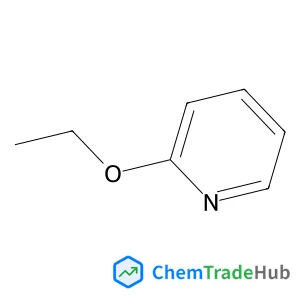
CAS Number
Related Products
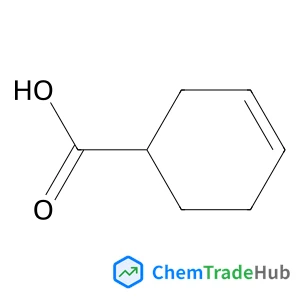
(1S)-3-Cyclohexene-1-carboxylic acid
CAS Number: 5708-19-0
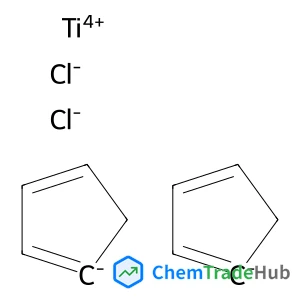
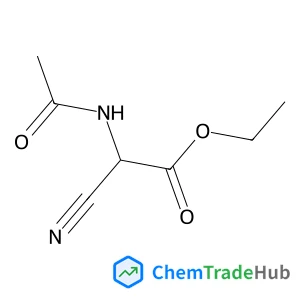
Ethyl Acetamidocyanoacetate
CAS Number: 4977-62-2
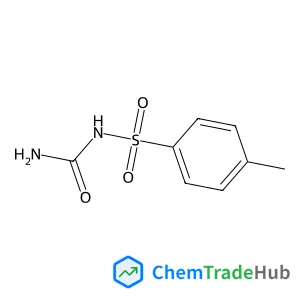
N-Carbamoyl-4-methylbenzenesulfonamide
CAS Number: 1694-06-0
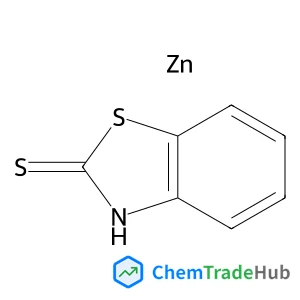
Zinc bis(1,3-benzothiazole-2-thiolate)
CAS Number: 155-04-4
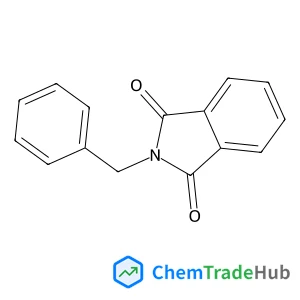
2-Benzyl-1H-isoindole-1,3(2H)-dione
CAS Number: 2142-01-0
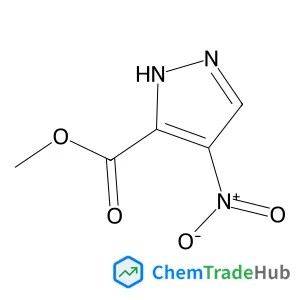
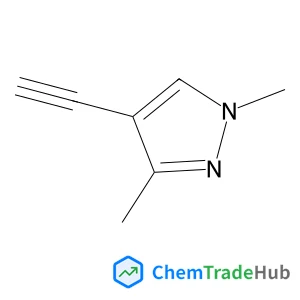
4-Ethynyl-1,3-dimethyl-1H-pyrazole
CAS Number: 61514-53-2
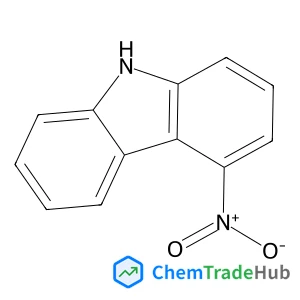
1-Nitro-9H-carbazole
CAS Number: 57905-76-7
Other Suppliers for 2-Ethoxypyridine





Basic Information
Molecular Formula
C7H9NO
Molecular Weight
123.15 g/mol
EINECS
238-553-7
Physical Properties
Melting Point
122 °C
Boiling Point
155-156°C
Density
1,009 g/cm3
Flash Point
155-156°C
Chemical Identifiers
SMILES
CCOC1=CC=CC=N1
InChIKey
LISKAOIANGDBTB-UHFFFAOYSA-N
Database References
MDL Number
MFCD00023464
Beilstein Registry Number
111115
FAQ
2-Ethoxypyridine (CAS: 14529-53-4) is a yellowish-brown liquid with a molecular weight of approximately 121.18 g/mol. It has a boiling point of 135-136°C and a melting point of -21°C. This compound is slightly soluble in water but highly soluble in organic solvents. It is mildly reactive, particularly with strong oxidizing agents and can undergo substitution reactions.
2-Ethoxypyridine is typically synthesized by the reaction of pyridine with ethanol in the presence of sulfuric acid as a catalyst. The reaction is exothermic and proceeds to give an isolated yield of 75-80%. The product is usually obtained in a crystalline form after recrystallization from suitable solvents.
2-Ethoxypyridine (CAS: 14529-53-4) is primarily used in the pharmaceutical industry for the synthesis of various drugs. It is also used in the production of organic semiconductors and as a precursor in the polymer industry. Additionally, it finds applications in sensor technologies due to its ability to interact with specific analytes.
When handling 2-Ethoxypyridine (CAS: 14529-53-4), it is important to use personal protective equipment (PPE) such as gloves, goggles, and a lab coat. Work should be conducted in a well-ventilated area or within a fume hood to avoid inhalation of vapors. Spills should be cleaned up using appropriate absorbent materials, and the area should be well-ventilated. Always refer to the safety data sheet (SDS) for detailed handling instructions and emergency procedures.
Safety Notice
Please verify product specifications and safety data before use. Contact the supplier for detailed safety information.
Always follow proper handling procedures
Contact Information
jacschem@163.com