



AD
2-(Diethoxymethyl)oxirane(CAS: 13269-77-7)
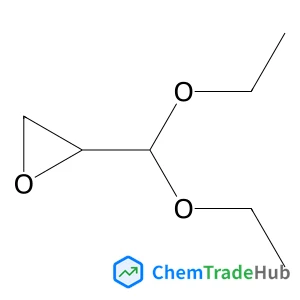
CAS Number
Related Products
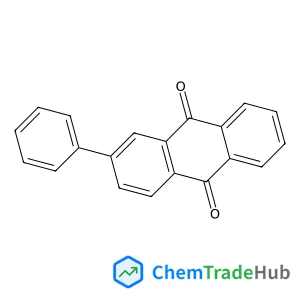
2-Phenyl-9,10-anthraquinone
CAS Number: 6485-97-8
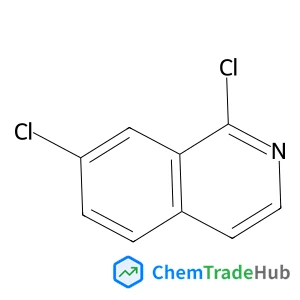
1,7-Dichloroisoquinoline
CAS Number: 70810-24-1
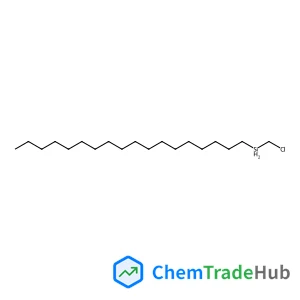
Silane, chloromethyloctadecyl-
CAS Number: 124694-97-9
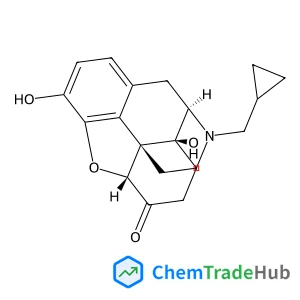
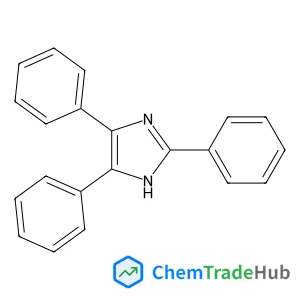
2,4,5-Triphenyl-1H-imidazole
CAS Number: 484-47-9
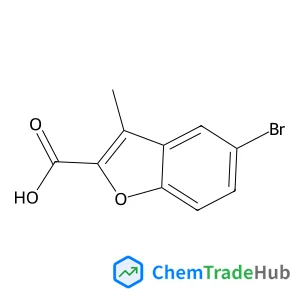
![[4-(Difluoromethoxy)phenyl]acetonitrile](https://static.chemtradehub.com/structs/414/41429-16-7-ae43.webp)
Other Suppliers for 2-(Diethoxymethyl)oxirane




Basic Information
Molecular Formula
C7H14O3
Molecular Weight
146.19 g/mol
Physical Properties
Boiling Point
190.3°Cat760mmHg
Chemical Identifiers
SMILES
CCOC(C1CO1)OCC
InChIKey
QIQQWSQARNQPLP-UHFFFAOYSA-N
Database References
MDL Number
MFCD07776142
FAQ
2-(Diethoxymethyl)oxirane (CAS: 13269-77-7) is classified under the Globally Harmonized System of Classification and Labelling of Chemicals (GHS) as a flammable liquid and requires appropriate safety data sheets (SDS). In the European Union, it is regulated under the Registration, Evaluation, Authorisation and Restriction of Chemicals (REACH) regulation. Additionally, the U.S. Environmental Protection Agency (EPA) and the Food and Drug Administration (FDA) have specific guidelines for the handling and disposal of this compound.
Several alternatives to 2-(Diethoxymethyl)oxirane (CAS: 13269-77-7) are available in synthesis, including ethylene oxide or other epoxides. Common alternatives include diethoxyethane and ethylene glycol. These compounds can be used as viable substitutes depending on the specific requirements of the reaction and the desired product.
The market for 2-(Diethoxymethyl)oxirane (CAS: 13269-77-7) is stable, with ongoing research focusing on its applications in polymer synthesis and as a monomer for producing various polymers. Recent trends indicate a growing interest in sustainable alternatives and biodegradable materials, which may influence the demand for this compound. Research is also exploring its use in pharmaceutical and cosmetic applications.
Waste containing 2-(Diethoxymethyl)oxirane (CAS: 13269-77-7) should be collected in appropriate containers and kept away from sources of ignition. It is recommended to consult local hazardous waste regulations for specific disposal methods. Professional waste disposal services are often the best option to ensure compliance with environmental protection standards. Proper incineration or other safe disposal methods should be employed to avoid environmental contamination.
Safety Notice
Please verify product specifications and safety data before use. Contact the supplier for detailed safety information.
Always follow proper handling procedures
Contact Information
Contact Person
Li Jun
2801519207@qq.com