



AD
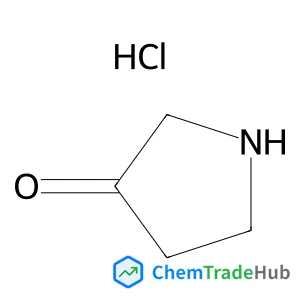
3-Pyrrolidinone hydrochloride (1:1)(CAS: 3760-52-9)
CAS Number
Related Products
![2-Methyl-2-propanyl [(2R)-1-hydroxy-2-propanyl]carbamate](https://static.chemtradehub.com/structs/106/106391-86-0-8397.webp)
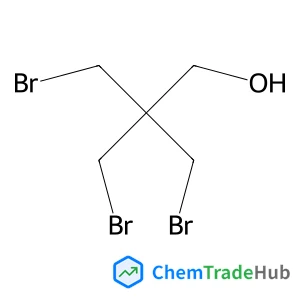
3-Bromo-2,2-bis(bromomethyl)-1-propanol
CAS Number: 1522-92-5
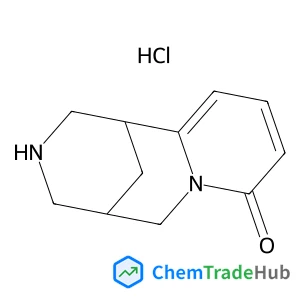
Cytisine hydrochloride
CAS Number: 6047-01-4
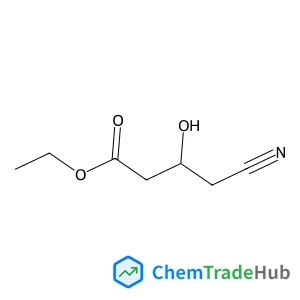
Atorvastatin Impurity 55
CAS Number: 141942-85-0
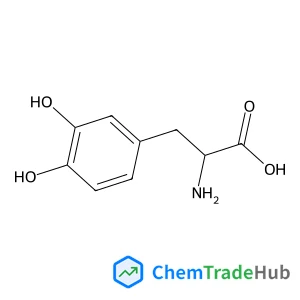
3-Hydroxy-D-tyrosine
CAS Number: 5796-17-8
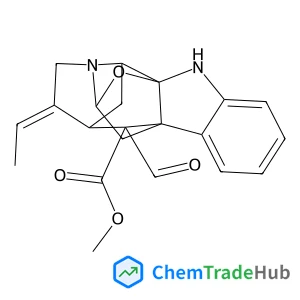
Picralinal
CAS Number: 20045-06-1
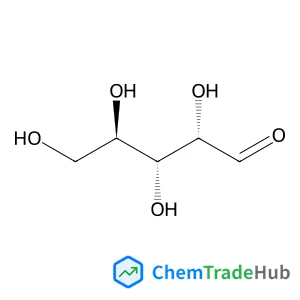
D-Arabinose
CAS Number: 9032-75-1
![(3aS,9R,9aS,9bS)-9-Hydroxy-6,9-dimethyl-3-methylene-3a,4,5,7,8,9,9a,9b-octahydroazuleno[4,5-b]furan-2(3H)-one](https://static.chemtradehub.com/structs/683/68370-47-8-daf4.webp)
Other Suppliers for 3-Pyrrolidinone hydrochloride (1:1)


Basic Information
Molecular Formula
C4H8ClNO
Molecular Weight
121.57 g/mol
Physical State
Yellow to Brown Solid
Physical Properties
Melting Point
144-148°C
Boiling Point
197.8°C at 760 mmHg
Chemical Identifiers
SMILES
C1CNCC1=O.Cl
InChIKey
DPSTYIOIVSHZRI-UHFFFAOYSA-N
Database References
MDL Number
MFCD02183811
FAQ
3-Pyrrolidinone hydrochloride (CAS: 3760-52-9) is a white crystalline powder with a molecular weight of approximately 162.67 g/mol. It has a solubility of about 40 g/L in water at 20°C. Chemically, it is moderately reactive and can form hydrogen bonds. It is slightly soluble in organic solvents like ethanol and acetone. It is commonly used in pharmaceuticals and as a precursor in organic synthesis.
3-Pyrrolidinone hydrochloride (CAS: 3760-52-9) is typically synthesized by reacting 3-pyrrolidinone with hydrochloric acid. The reaction is conducted under mild conditions, often at room temperature, to avoid decomposition. The reaction is usually carried out in an aqueous medium with continuous stirring. The yield is typically over 90%, and the product is isolated by recrystallization from water.
3-Pyrrolidinone hydrochloride (CAS: 3760-52-9) is widely used in the pharmaceutical industry for its solubilizing properties and as an intermediate in drug synthesis. It is also used in polymer science for the modification of polymer surfaces. Additionally, it finds applications in sensor technology and as a component in semiconductor fabrication processes.
When handling 3-Pyrrolidinone hydrochloride (CAS: 3760-52-9), it is essential to wear appropriate personal protective equipment (PPE) including gloves and safety glasses. Work should be conducted in a well-ventilated area or a fume hood to minimize exposure to the vapor. Spills should be cleaned up carefully, and proper disposal methods should be followed. Always refer to the safety data sheet (SDS) for detailed information on handling and storage.
Safety Notice
Please verify product specifications and safety data before use. Contact the supplier for detailed safety information.
Always follow proper handling procedures
Contact Information
2423903095@qq.com