



AD
2-(Tetrahydro-2-furanylmethoxy)ethanol(CAS: 31692-85-0)
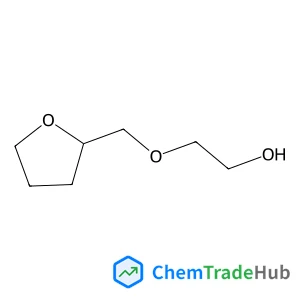
CAS Number
Related Products
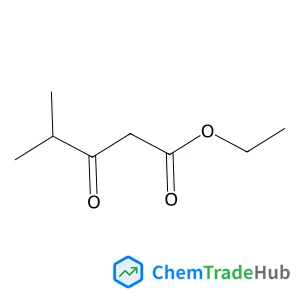
Ethyl 4-methyl-3-oxopentanoate
CAS Number: 7152-15-0
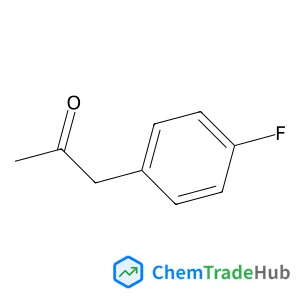
1-(4-Fluorophenyl)acetone
CAS Number: 459-03-0
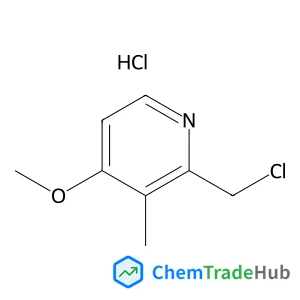
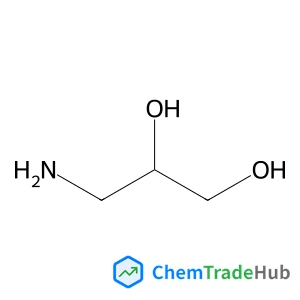
3-Amino-1,2-propanediol
CAS Number: 616-30-8
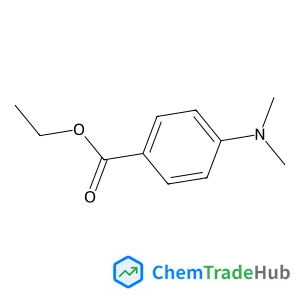
Ethyl 4-(dimethylamino)benzoate
CAS Number: 10287-53-3
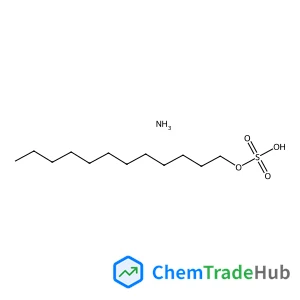
Ammonium dodecyl sulfate
CAS Number: 2235-54-3
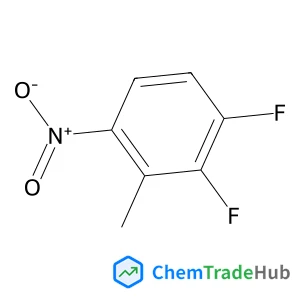
1,2-Difluoro-3-methyl-4-nitrobenzene
CAS Number: 914348-35-9
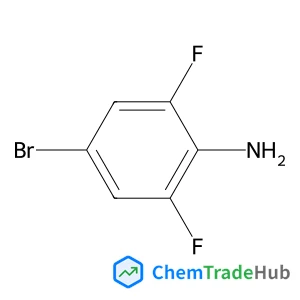
Abemaciclib Impurity 6
CAS Number: 67567-26-4
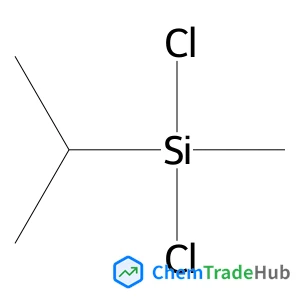
Dichloro(isopropyl)methylsilane
CAS Number: 18236-89-0
Other Suppliers for 2-(Tetrahydro-2-furanylmethoxy)ethanol






Basic Information
Molecular Formula
C7H14O3
Molecular Weight
146.19 g/mol
Physical Properties
Boiling Point
100℃
Chemical Identifiers
SMILES
C1CC(OC1)COCCO
InChIKey
CTPDSKVQLSDPLC-UHFFFAOYSA-N
Database References
MDL Number
MFCD00801146
FAQ
2-(Tetrahydro-2-furanylmethoxy)ethanol (CAS: 31692-85-0) falls under the European Union's REACH regulations and the Globally Harmonized System of Classification and Labelling of Chemicals (GHS). For FDA/EPA, it is classified as a hazardous chemical due to its flammability and harmful effects on the environment. Proper safety data sheets (SDS) should be prepared and adhered to for safe handling and storage.
Several alternatives can be used in the synthesis of 2-(Tetrahydro-2-furanylmethoxy)ethanol, such as 2-(hydroxyethoxy)ethanol or 2-(methoxyethoxy)ethanol. These compounds are often used as substitutes due to their similar functional groups and reactivity, making them viable options depending on the specific application.
The market for 2-(Tetrahydro-2-furanylmethoxy)ethanol is growing due to its use in personal care products, pharmaceuticals, and as a solvent. Research trends show an increasing focus on its environmental impact and the development of more sustainable synthesis methods. The trend is towards reducing harmful effects on the environment and improving biodegradability.
Waste containing 2-(Tetrahydro-2-furanylmethoxy)ethanol should be collected in sealed containers and disposed of through professional waste disposal services. Incineration is a common method, but in some cases, chemical neutralization may be necessary. Proper environmental precautions include ensuring no accidental spillages and following local waste management regulations to protect the environment and human health.
Safety Notice
Please verify product specifications and safety data before use. Contact the supplier for detailed safety information.
Always follow proper handling procedures
Contact Information
Contact Person
Yang Qin
1462312301@qq.com