



AD
3-Chloro-4-nitroaniline(CAS: 825-41-2)
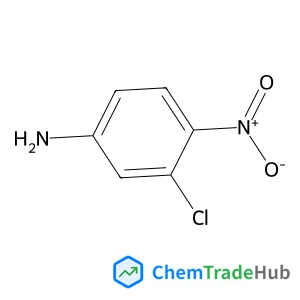
CAS Number
Related Products
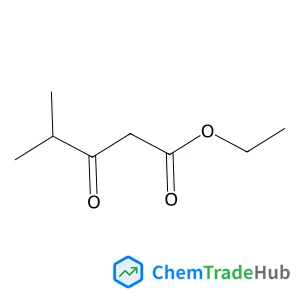
Ethyl 4-methyl-3-oxopentanoate
CAS Number: 7152-15-0
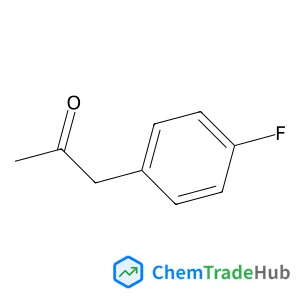
1-(4-Fluorophenyl)acetone
CAS Number: 459-03-0
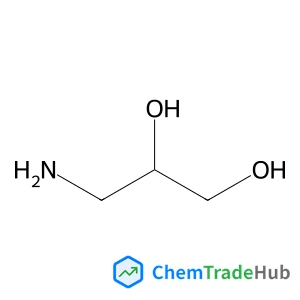
3-Amino-1,2-propanediol
CAS Number: 616-30-8
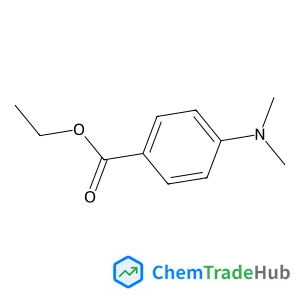
Ethyl 4-(dimethylamino)benzoate
CAS Number: 10287-53-3
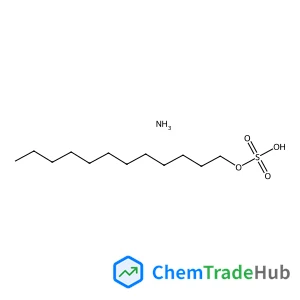
Ammonium dodecyl sulfate
CAS Number: 2235-54-3
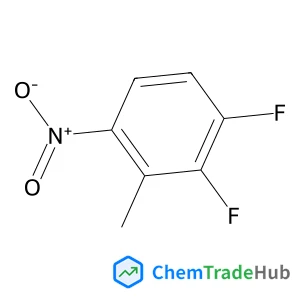
1,2-Difluoro-3-methyl-4-nitrobenzene
CAS Number: 914348-35-9
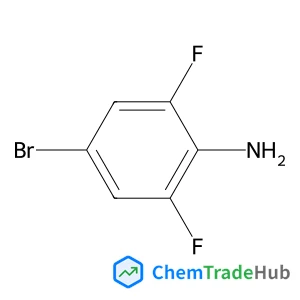
Abemaciclib Impurity 6
CAS Number: 67567-26-4
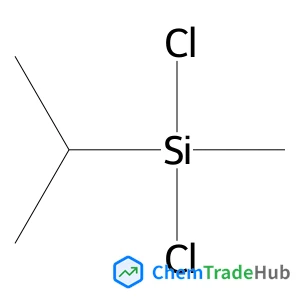
Dichloro(isopropyl)methylsilane
CAS Number: 18236-89-0
Other Suppliers for 3-Chloro-4-nitroaniline





Basic Information
Molecular Formula
C6H5ClN2O2
Molecular Weight
172.57 g/mol
Physical Properties
Melting Point
158.0 to 162.0 deg-C
Boiling Point
366.8°C at 760 mmHg
Density
1.494
Flash Point
175.7°C
Water Solubility
Insoluble in water.
Chemical Identifiers
SMILES
Nc1ccc([N+](=O)[O-])c(Cl)c1
InChIKey
LDSIOPGMLLPSSR-UHFFFAOYSA-N
Database References
MDL Number
MFCD00085922
FAQ
3-Chloro-4-nitroaniline (CAS: 825-41-2) falls under the classification of dangerous chemicals in the Globally Harmonized System of Classification and Labelling of Chemicals (GHS). It is regulated by the REACH regulations in the European Union. In the United States, the FDA and EPA have specific requirements for the use and handling of this compound, including reporting, labeling, and storage. It is essential to comply with the local and international regulations to ensure safety and environmental protection.
There are several alternatives to 3-Chloro-4-nitroaniline (CAS: 825-41-2) in synthesis. Common alternatives include 2-Chloro-4-nitroaniline, 3-Nitro-4-hydroxyaniline, and 4-Chloro-3-nitroaniline. These compounds can serve similar roles in different chemical reactions. However, the choice of alternative depends on the specific requirements of the reaction and the desired product.
The market for 3-Chloro-4-nitroaniline (CAS: 825-41-2) is driven by its use in the manufacturing of dyes, as well as in the production of pesticides and pharmaceuticals. Recent research trends focus on exploring its potential in developing new chemical intermediates and specialty chemicals. However, due to its hazardous nature, there is also an increasing emphasis on finding safer alternatives in the market.
Waste containing 3-Chloro-4-nitroaniline (CAS: 825-41-2) should be handled with caution due to its hazardous properties. Proper waste management includes the collection of waste liquids in appropriate containers, followed by neutralization if necessary. Subsequent incineration or professional waste disposal services should be used to ensure the safe disposal of this compound. Always adhere to local regulations and guidelines for hazardous waste disposal to prevent environmental contamination and ensure safety.
Safety Notice
Please verify product specifications and safety data before use. Contact the supplier for detailed safety information.
Always follow proper handling procedures
Contact Information
Contact Person
Yang Qin
1462312301@qq.com